Greenlands Warmest January Closes Ski Resort in Nuuk Early
March 10, 2026 • Al Jazeera
Nuuk, Greenland Experiences Record-Breaking Winter Temperatures
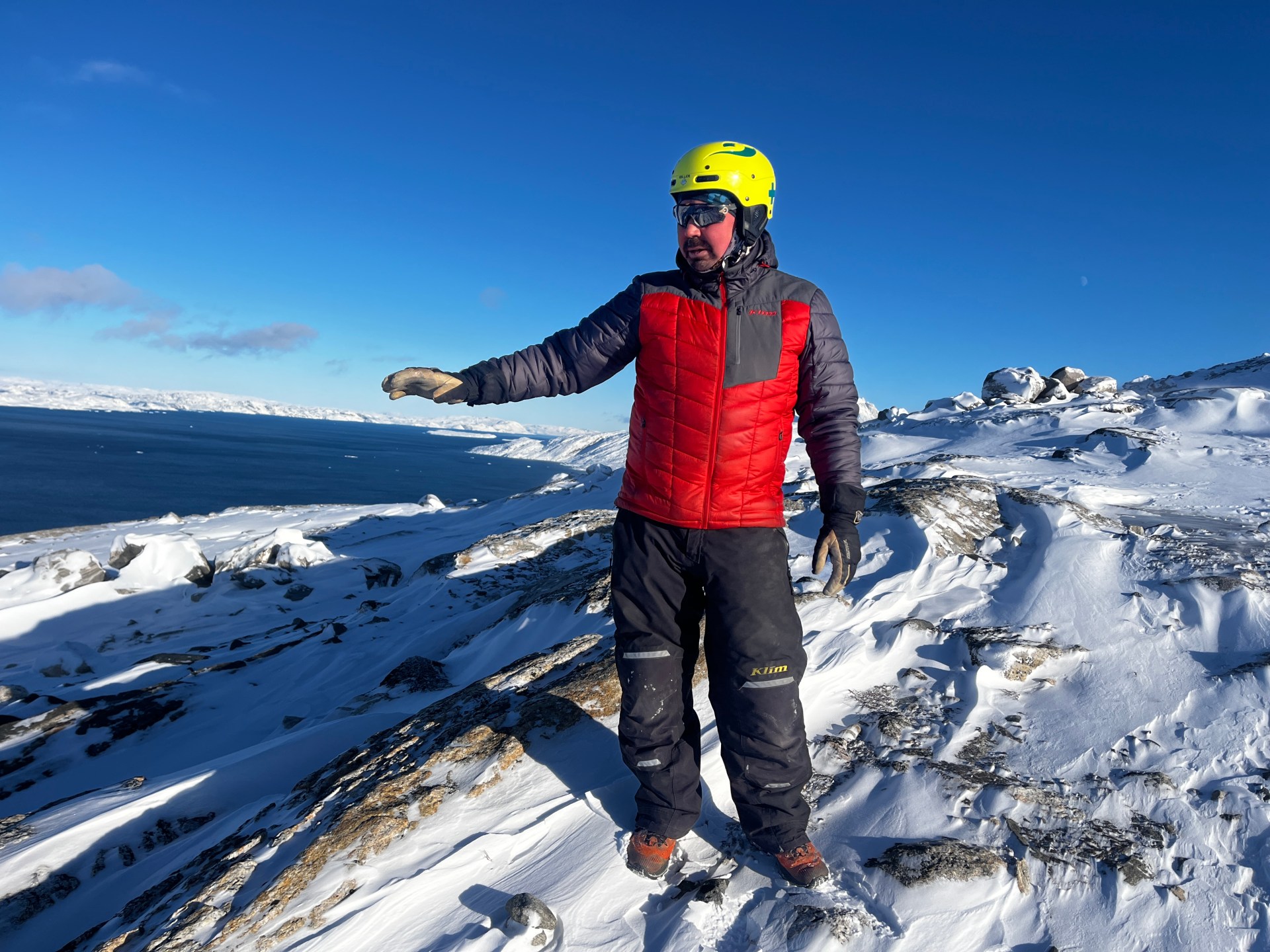
In Nuuk, the capital of Greenland, winter temperatures have reached record highs, leaving residents and officials concerned about the impact on the local ski industry. Qulu Heilmann, a 25-year veteran of the city’s ski lift operation, has witnessed an unusual phenomenon this year - the lift and slopes never opened due to insufficient snowfall.
According to data from the Danish Meteorological Institute (DMI), Nuuk’s average temperature in January was 0.1 degrees Celsius (32.2 degrees Fahrenheit), a new record. This is 7.8C (14F) warmer than the January normal for 1991-2020, with the highest temperature reaching 11.3C (52.3F). The DMI reported similar patterns along over 2,000km of Greenland’s west coast, with multiple towns posting unusually high monthly averages.
Caroline Drost Jensen, a climatologist at the DMI, noted that while mild winter spells occur in Greenland, this year’s record-breaking temperatures were striking. She attributed the warm January to a jet stream steering mild air north towards Greenland, but also acknowledged the role of human-driven climate change in exacerbating temperature increases.
Residents, including Malene Jensen, who lives in central Nuuk, have reported noticing the changes in their winter weather patterns. Heilmann has applied for artificial snowmaking equipment, citing the need to maintain the ski lift’s operation during the shoulder season.
The impact of record-breaking temperatures on Greenland’s climate is significant, with scientists warning that the Arctic does not warm at the same pace as the rest of the planet. The loss of reflective snow and sea ice exposes darker surfaces that absorb more heat, contributing to the warming trend.
As the climate continues to change, its effects are being felt in politics, particularly regarding Greenland’s access and potential for strategic minerals such as rare earths. The melting ice is expected to alter Arctic sea routes and land activities over time, with some speculating that there may be “basically no polar sea ice left” within a few decades.
Heilmann remains focused on finding solutions to maintain the ski lift’s operation, while officials and researchers continue to monitor the climate’s impact on Greenland.
Source: Al Jazeera