Gulf nations can maintain diplomatic ties with both Iran and Israel
May 18, 2026 • Al Jazeera
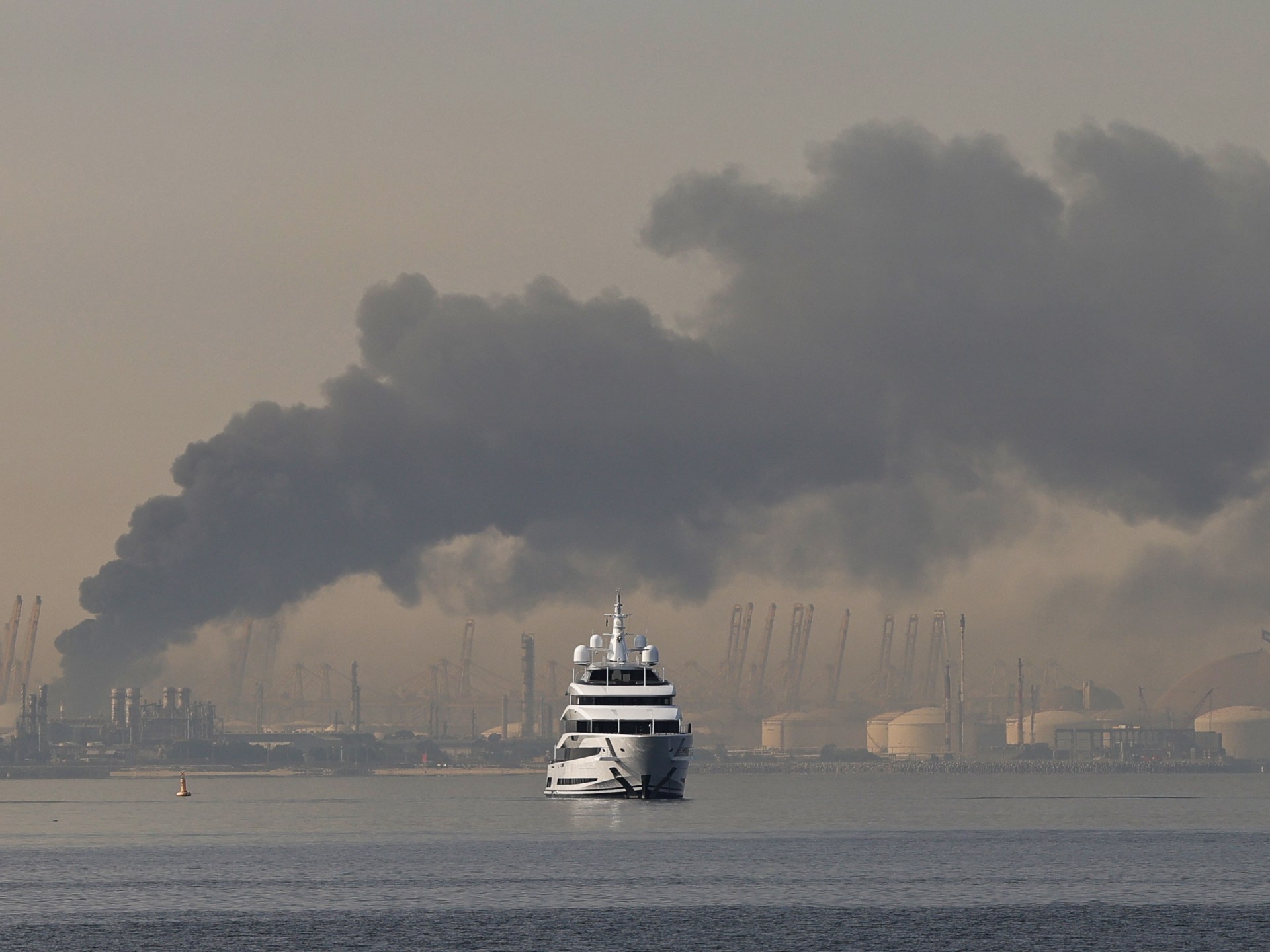
Gulf States Face Dilemma Between Stability and Conflict
The Middle East’s complex security landscape has led to a contentious debate over whether Gulf states must choose between Iran or Israel. This framing oversimplifies the region’s dynamics and ignores the Gulf’s primary interest in preventing conflict.
In reality, Gulf states prioritize regional stability over alignment with either Iran or Israel. The region’s central concern is not to defend against one adversary but to protect itself from the consequences of escalation. Any confrontation involving Iran, Israel, and the US would have far-reaching effects on Gulf airspace, shipping lanes, energy infrastructure, investment confidence, and domestic stability.
Recent events demonstrate that even without initiating conflict, the Gulf becomes entangled in regional disputes. The June Israeli attack on Iran led to a spillover of violence, while an Israeli air strike targeting Doha in September was part of a broader campaign. This highlights the interconnected nature of the region’s conflicts and the need for Gulf states to navigate this complex landscape.
Gulf countries have pursued distinct foreign policy approaches, with Qatar focusing on mediation and dialogue, while the UAE has taken a harder line against Iran. However, despite these differences, the Gulf nations share a common interest in regional security and stability, particularly the freedom of navigation through critical waterways such as the Strait of Hormuz.
The Gulf’s primary concern is not to choose between Iran or Israel but to prevent conflict altogether. A policy that balances firmness with communication is essential, opposing coercion while maintaining channels to prevent miscalculation. The Gulf states’ approach must take into account their unique security concerns and regional priorities, rather than simply following a single agenda.
Source: Al Jazeera