Human Rights Watch accuses Israel of using banned white phosphorus in Lebanon
March 9, 2026 • Al Jazeera
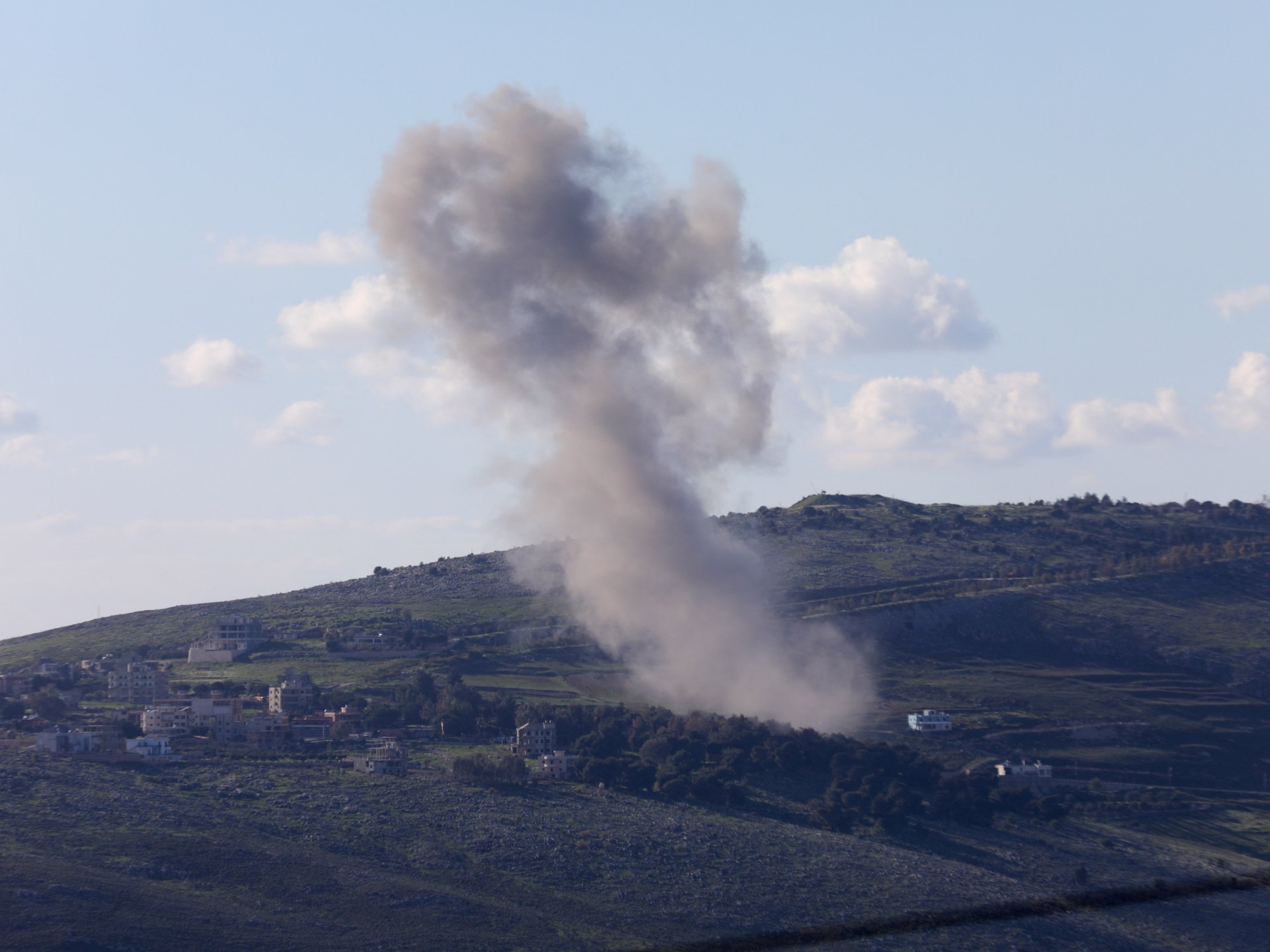
Human Rights Watch Confirms Israeli Use of White Phosphorus in Southern Lebanon
A new report by Human Rights Watch (HRW) has confirmed that Israel used white phosphorus munitions in residential areas of southern Lebanon on March 3. The organization verified seven photos showing the use of airburst white phosphorus over a residential neighborhood in Yohmor, resulting in fires breaking out in at least two homes.
According to Ramzi Kaiss, a Lebanon researcher with HRW, the Israeli military’s use of white phosphorus over residential areas is unlawful and poses significant risks to civilians. The organization stated that the incendiary effects of white phosphorus can cause death or severe injuries, leading to lifelong suffering.
The report found that the munitions were used unlawfully in concentrations of civilians, resulting in fires breaking out in homes and other civilian property. HRW verified images posted online by Lebanese media and the civil defense team of the Islamic Health Committee in Yohmor, which showed workers extinguishing fires on residential rooftops and in a car.
The organization concluded that the fire was likely caused by felt wedges impregnated with white phosphorus, given the proximity of the sites to the area where airburst munitions were observed. HRW is calling on Israel to immediately halt this practice and for states providing Israel with weapons to suspend military assistance and arms sales.
This report comes as more than half a million people have been registered as displaced in Lebanon due to Israeli attacks, which have resulted in at least 394 deaths and over 1,000 injuries. The organization is urging key allies of Israel, including the United States, the United Kingdom, and Germany, to suspend military sales to Israel and impose targeted sanctions on officials implicated in grave crimes.
Israel has previously used white phosphorus between October 2023 and May 2024 across border villages in southern Lebanon, putting civilians at risk.
Source: Al Jazeera