Immigrant Veterans Face Uncertainty Over Potential Deportation from US
April 25, 2026 • Al Jazeera
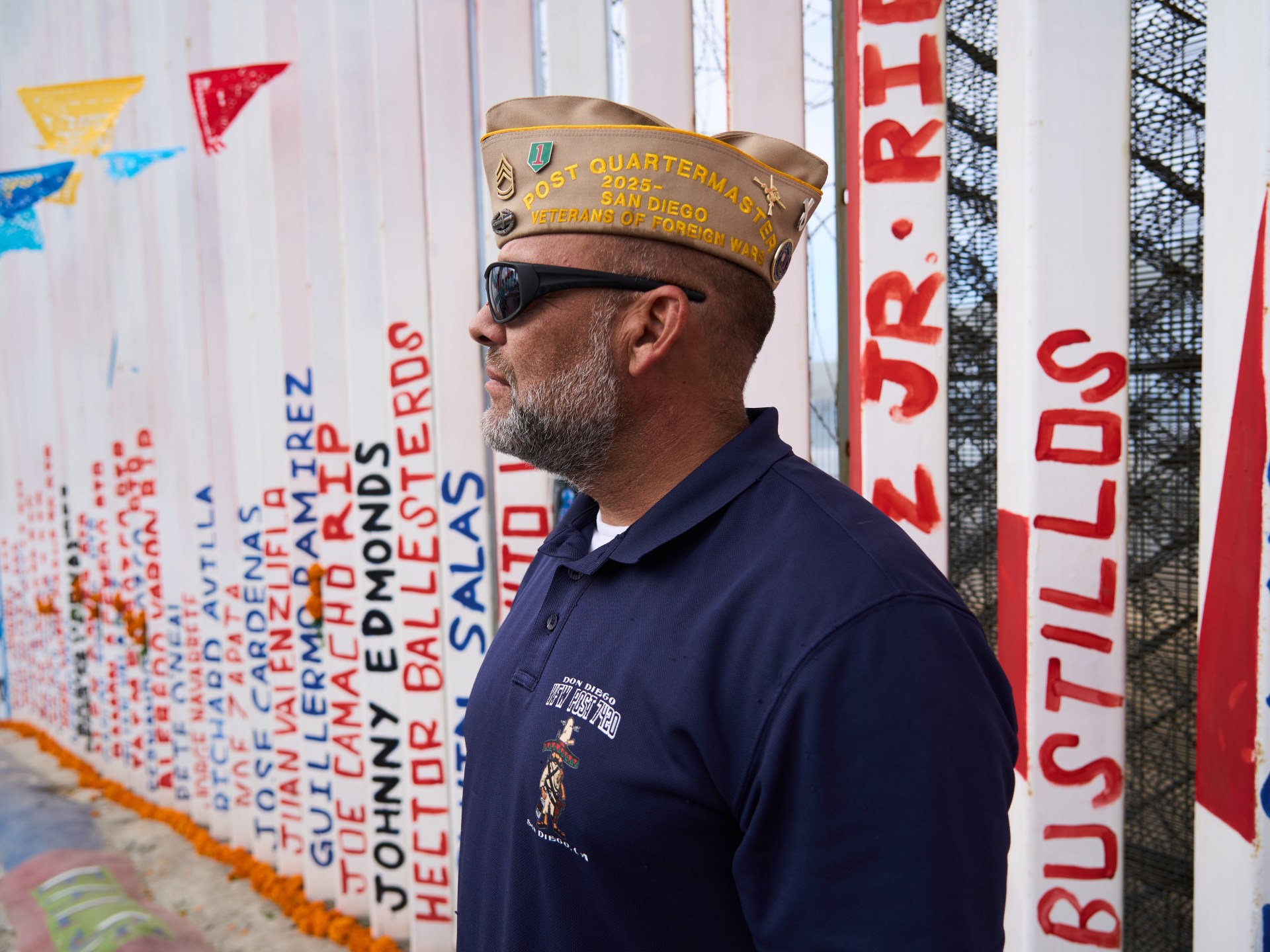
Veteran’s Concerns Over Deportation Amid Trump’s Mass Deportation Campaign
Benito Miranda Hernandez, a 42-year-old United States military veteran, has been serving in the overnight car park in San Diego as part of a reentry program to help former prisoners transition back into society. Hernandez, who was born in Mexico and grew up in California before moving to the East Coast, has spent most of his life in the US.
Hernandez’s job comes after years in and out of prison for drug convictions. He is currently nearing the end of his sentence, which will conclude in August. However, he is concerned that once released, he could be detained by immigration agents and deported due to not having US citizenship.
Since President Donald Trump began his second term in 2025, the Republican leader has led a mass deportation campaign that has forcibly removed at least 675,000 people as of January, according to the administration’s own estimates. The aim of the operation is to expel individuals deemed “worst of the worst”.
Immigrant veterans, particularly those with criminal convictions, fear they too could be swept up in the deportation campaign. Hernandez expressed frustration and anger over the prospect, stating he was willing to die for the country but does not want to be deported.
According to data from 2022, nearly 731,000 military veterans like Hernandez were immigrants, comprising roughly 4.5 percent of the US’s veteran population. An estimated 118,000 immigrant veterans do not have citizenship, and many struggle with reintegration into society after their military service.
Hernandez’s experience is not unique. Roughly a third of veterans are arrested at least once in their lifetimes, and surveys estimate that as many as 181,500 are imprisoned each year. Many veterans face challenges such as traumatic brain injuries, post-traumatic stress disorders, and substance abuse issues, which can lead to criminal offenses.
Hernandez’s story highlights the concerns of immigrant veterans who have served in the US military but do not possess citizenship. As the deportation campaign continues, these individuals remain vulnerable to detention and removal from the country.
Source: Al Jazeera