International Maritime Organization suspends Hormuz evacuation efforts following attack
June 25, 2026 • Al Jazeera
Here is a rewritten version of the news article in a neutral newsroom style:
Iran Issues Warning to Vessels on Use of Strait of Hormuz Routes
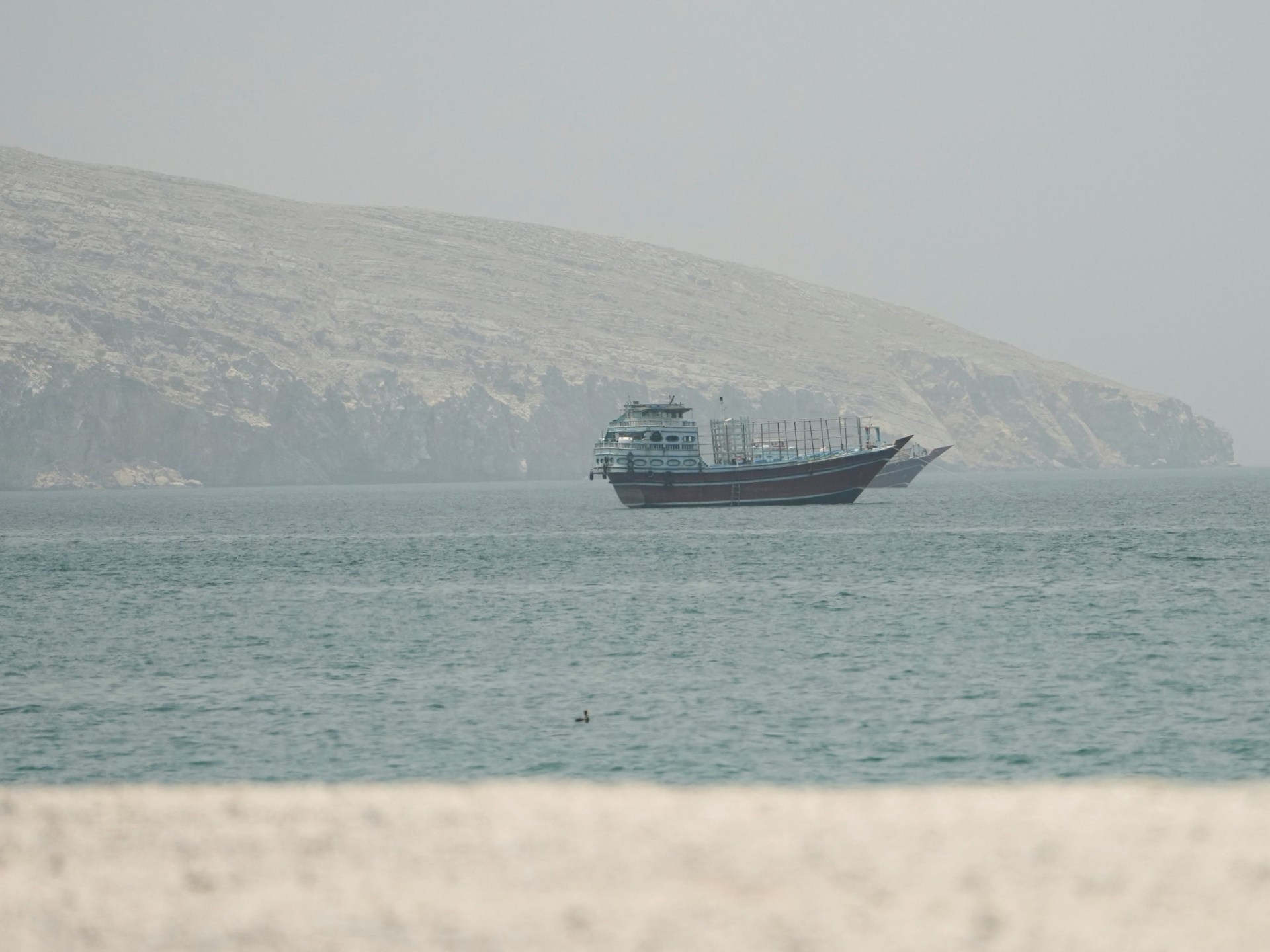
The International Maritime Organization (IMO) has suspended its evacuation initiative for vessels stranded in the Gulf due to the closure of the Strait of Hormuz. The decision comes after a cargo ship reported being struck by a projectile while attempting to pass through the strait near Oman’s port of Dahit.
According to UKMTO, the ship was hit on its starboard side 14km southeast of Dahit. Another source confirmed that the vessel was likely targeted by a drone, but the identity of the perpetrator remains unclear.
The IMO had begun evacuating 600 ships and approximately 11,000 mariners stranded in the Gulf due to the closure of the Strait of Hormuz. The plan involved two routes: one through Iranian waters with US oversight and another through Omani waters. However, following the incident, the IMO has put the evacuation plan on hold.
Iran’s Islamic Revolutionary Guard Corps (IRGC) had previously ordered two Panama-flagged ships to change course without Tehran’s permission. The Persian Gulf Strait Authority (PGSA) stated that vessels using unauthorized routes would no longer be covered by a guarantee of safe passage, and would instead bear the responsibility for any consequences arising from such actions.
The IMO Secretary-General has announced that he will reconfirm safety guarantees before resuming the evacuation plan. Meanwhile, Denmark has expressed its intention to join an international maritime mission led by France and the UK to help reopen the waterway.
As of Wednesday, MarineTraffic reported 70 verified crossings by commercial and energy-laden vessels through the strait, compared to pre-war levels of around 120 vessels per day. Oman’s Defence Ministry warned that the current environment poses an elevated collision risk, requiring gradual and controlled movement of ships.
Source: Al Jazeera