Iran adjusts economic priorities amid ongoing conflict and uncertainty
April 26, 2026 • Al Jazeera
Iran’s Government Reverses Currency Decision for Basic Items, Taps into Sovereign Fund
Tehran, Iran - In an effort to alleviate pressure on the Iranian economy, the government has partially reversed a decision to eliminate a preferential exchange rate for imports of essential goods. The move aims to ensure the availability of food and medicines.
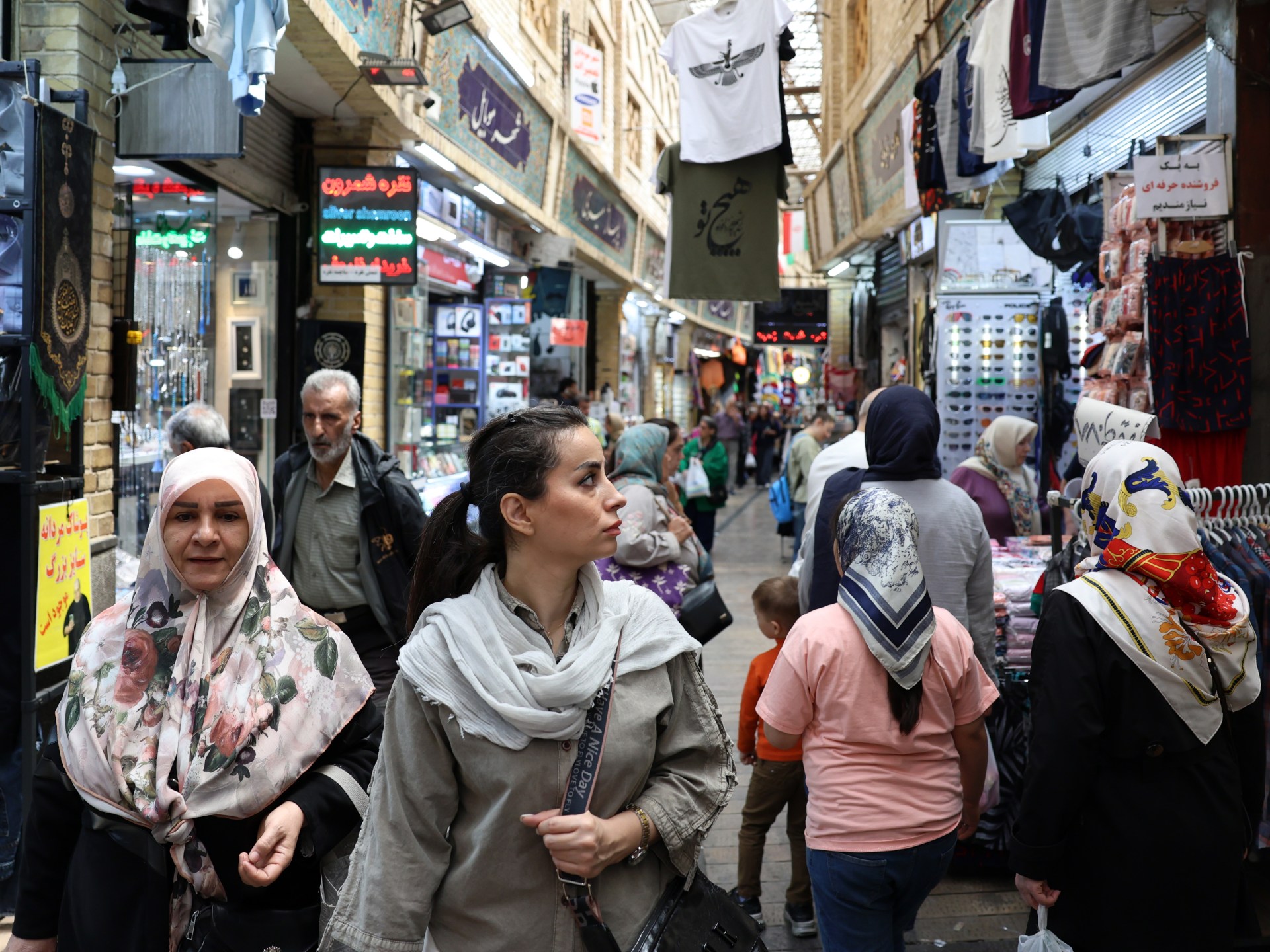
As life returns to normal in Tehran, customers are cautious due to ongoing concerns about the future. Many people are buying only the basics, leading to changes in purchasing habits. In response, the government has added a clause to implementation guidelines for the annual budget to restart the preferential exchange rate for imports of wheat, medicines, medical equipment, and baby formula.
The government plans to allocate up to $3.5 billion from its share of oil and gas proceeds to import essential goods at an official exchange rate of 285,000 rials per US dollar. This is lower than the open-market rate of 1.55 million rials per dollar and below the budget rate of 1.23 million rials.
The decision marks a partial policy reversal from the government’s previous budget proposal, which aimed to eliminate the cheapest currency rate. The rationale was that the subsidized rate created a non-transparent system that propagated corruption without reducing prices for average Iranians.
According to officials, the price of essential goods has been significantly affected by the elimination of the cheap currency rate. The Ministry of Cooperatives, Labour and Social Welfare is evaluating scenarios to guarantee food security across 11 categories of essential goods.
The government is also tapping into the National Development Fund of Iran to procure imported goods, including sugar, rice, barley, corn, soya bean meal, red meat, and chicken meat. Up to $1 billion will be taken out of the fund to complement strategic reserves.
Iran’s main challenge remains bringing in empty tankers to load extracted oil, rather than ramping up production or getting supertankers out of the Strait of Hormuz.
Source: Al Jazeera