Iran Conflict Fuels Rising Costs of Prescription Medicines Globally
April 23, 2026 • Al Jazeera
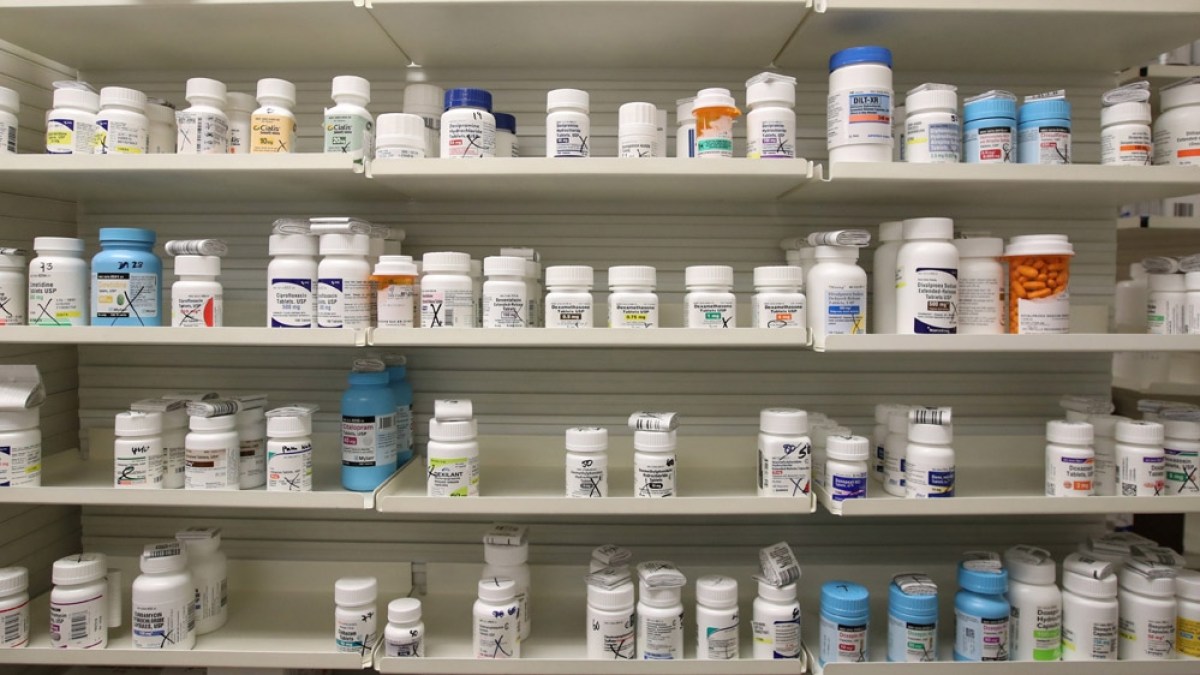
Pharmaceutical Prices Rise Globally Due to War-Related Disruptions
The ongoing conflict between Iran and neighboring countries has led to significant price increases for painkillers and other medicines worldwide. In some countries, prices have risen by as much as 96 percent.
According to experts, the war has disrupted global supply chains, which rely heavily on oil supplies from the Persian Gulf. The Strait of Hormuz, a critical shipping route, has been blocked by Iran, affecting the transportation of oil and liquefied natural gas (LNG). This disruption has also impacted pharmaceutical logistics, with many routes relying on sea and air transhipment stops in Dubai.
Frederic Schneider, a nonresident senior fellow at the Middle East Council on Global Affairs, notes that “pharmaceuticals are tied to both petrochemical feedstocks” sourced from the Persian Gulf. Wouter Dewulf, a professor at the University of Antwerp in Belgium, warns that pharmaceutical supply chains are not in immediate danger but highlights the vulnerability of medicines to air logistics disruptions.
The US-Israel war on Iran has caused severe disruptions to airlines, leading to widespread cancellations, airspace closures, and a looming jet fuel crisis. This has resulted in delays, rerouting, and higher costs for global air cargo flows, particularly those moving between East Asia and Europe.
Pharmacies in the UK and India have reported price increases for paracetamol, a commonly used painkiller. In India, prices have risen by as much as 96 percent, while in the UK, prices have increased by approximately 20 to 30 percent. The impact of these price increases will depend on various factors, including the availability of alternative suppliers.
The global pharmaceutical industry is closely monitoring the situation and assessing its potential effects on supply chains and prices.
Source: Al Jazeera