Iran Conflict Leaves Global Economy and Region in Turmoil
April 9, 2026 • Al Jazeera
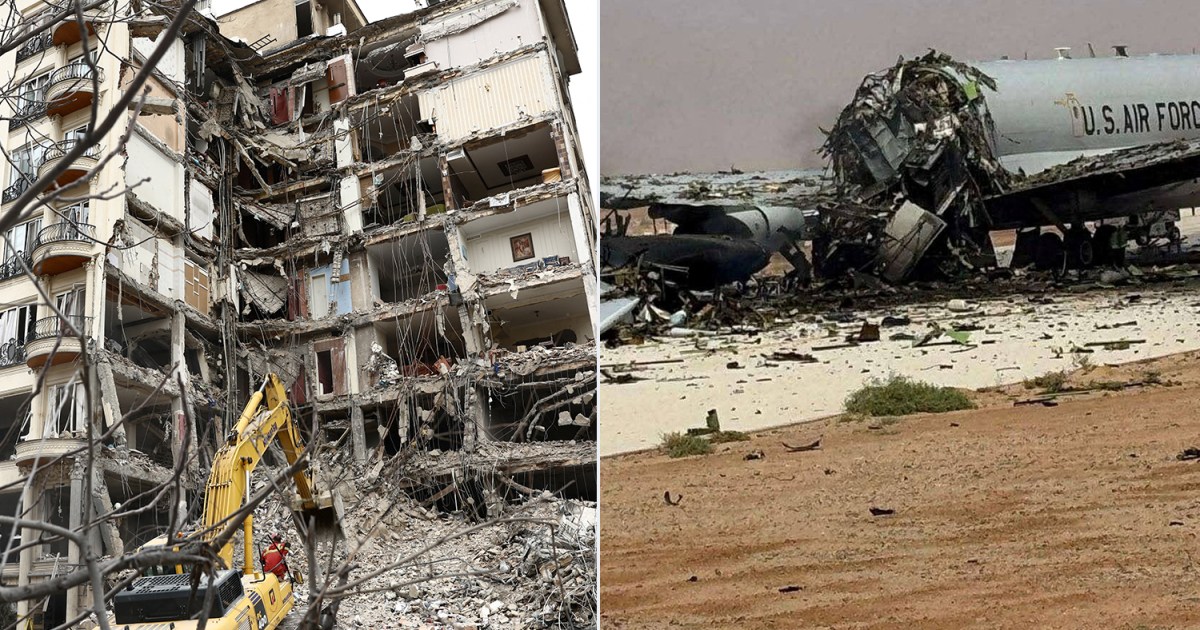
US-Israeli Campaign Ends in Ceasefire Agreement
A ceasefire agreement has been reached between the United States and Iran, brokered by Pakistan. The agreement was announced on the 40th day of the conflict, which began on February 28.
As part of the agreement, ships will be allowed to pass safely through the Strait of Hormuz for the first time since the war began. The ceasefire also includes a promise that negotiators will meet in Islamabad on April 11, 2026.
The agreement incorporates Iran’s 10-point peace proposal, which was presented by the country during the conflict. The proposal outlines several demands, including a formal guarantee against future military attacks on Iranian territory and a permanent end to hostilities.
Iran has committed to reopening the Strait of Hormuz, establishing a codified framework for safe maritime passage, and directing revenue from transit fees towards reconstruction rather than extracting reparations. In return, Iran is seeking guarantees that the US will lift sanctions and cease military operations in Lebanon.
The agreement was not preceded by a formal declaration of war or a UN Security Council mandate. Instead, it was presented as a necessary measure to address perceived threats to regional security.
The conflict has had significant economic consequences, including an energy disruption that affected markets worldwide. The agreement marks the first time since the start of the conflict that there is a clear diplomatic roadmap for resolving the situation.
Details of the agreement’s implementation and acceptance by all parties involved are still unclear. However, the framework outlined in Iran’s 10-point proposal reflects a pragmatic approach to achieving durable security arrangements and economic relief.
Source: Al Jazeera