Iran proposes new security protocol for Strait of Hormuz international waters
April 9, 2026 • Al Jazeera
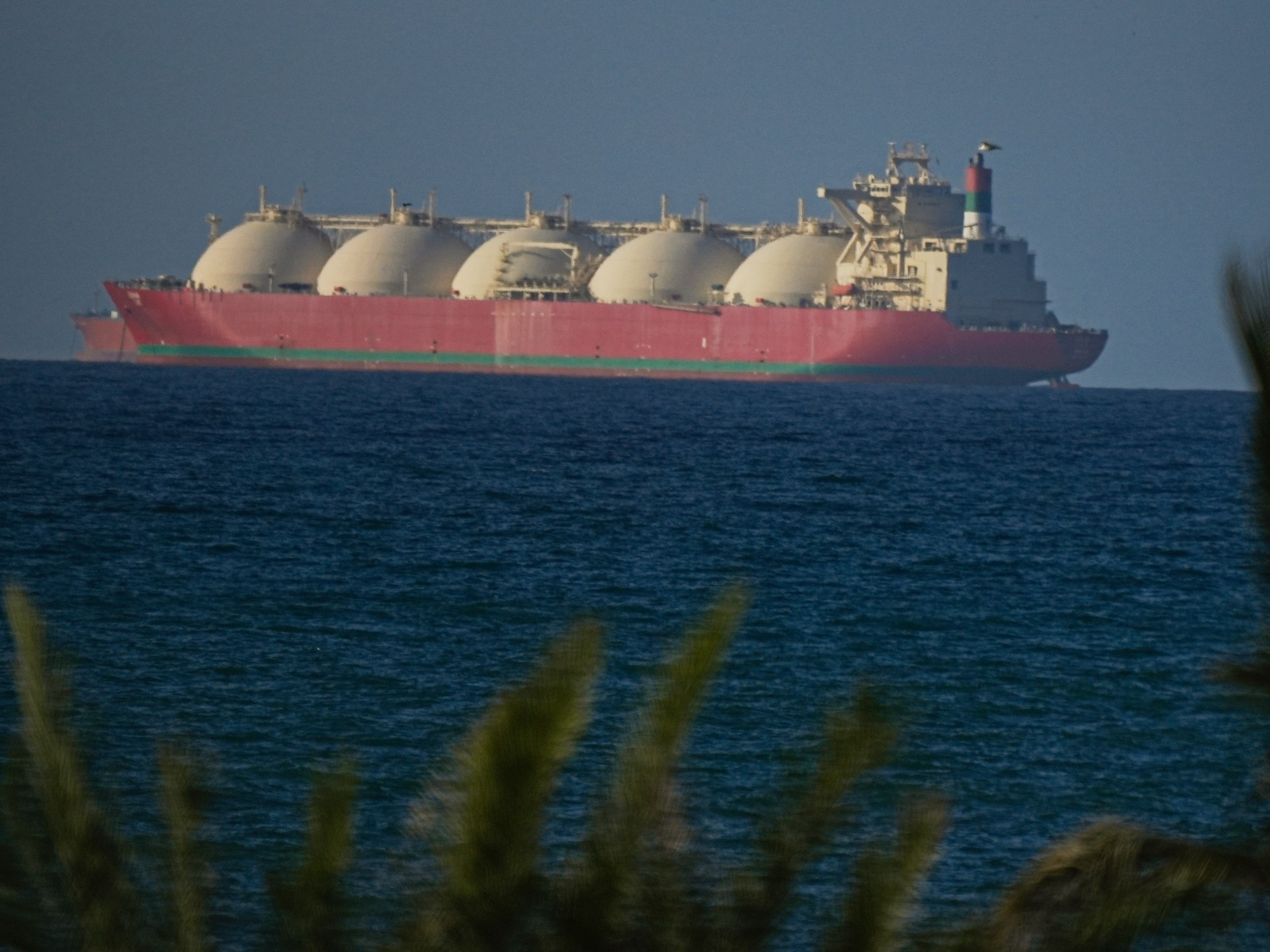
Tehran Imposes New Rules for Ship Passage through Strait of Hormuz Amid Ongoing Ceasefire.
The Strait of Hormuz, a vital waterway linking the Gulf to the Gulf of Oman, has seen significant changes since the escalation of tensions between Iran and its adversaries in February. Prior to the conflict, the strait was open to all vessels, with 20% of global oil and liquefied natural gas supplies passing through it during peacetime. However, following a series of attacks by Iranian forces on “enemy” merchant ships, the strait was effectively closed, causing widespread disruption to global energy supplies.
As part of a recent ceasefire brokered by Pakistan, Iran has issued official terms for its control of the Strait going forward. The US has not directly acknowledged these terms ahead of talks set to begin in Islamabad on Friday. According to Iranian officials, ships will be granted safe passage through the strait during the ceasefire period, but only in coordination with Iran’s Armed Forces and taking into account technical limitations.
A map released by the Islamic Revolutionary Guard Corps (IRGC) appears to direct ships further north towards the Iranian coast and away from traditional routes closer to Oman. The IRGC has stated that all vessels must use this new map for navigation due to concerns about anti-ship mines in the main traffic zone.
It is unclear whether Iran will collect toll fees during the ceasefire period, but US President Donald Trump has indicated that his country will be involved in helping to manage traffic buildup in the strait. The US has also stated that troops will remain in the area and threaten to resume attacks if negotiations do not progress as desired.
Iran’s 10-point peace proposal, which includes demands for an end to hostilities, lifting of sanctions, and retention of control over Hormuz, is seen as a starting point for talks. Analysts note that Tehran’s continued control of the Strait may be unpopular with Washington and other countries.
Source: Al Jazeera