Iran Unveils Plan for Prolonged Conflict with US and Israel
March 10, 2026 • Al Jazeera
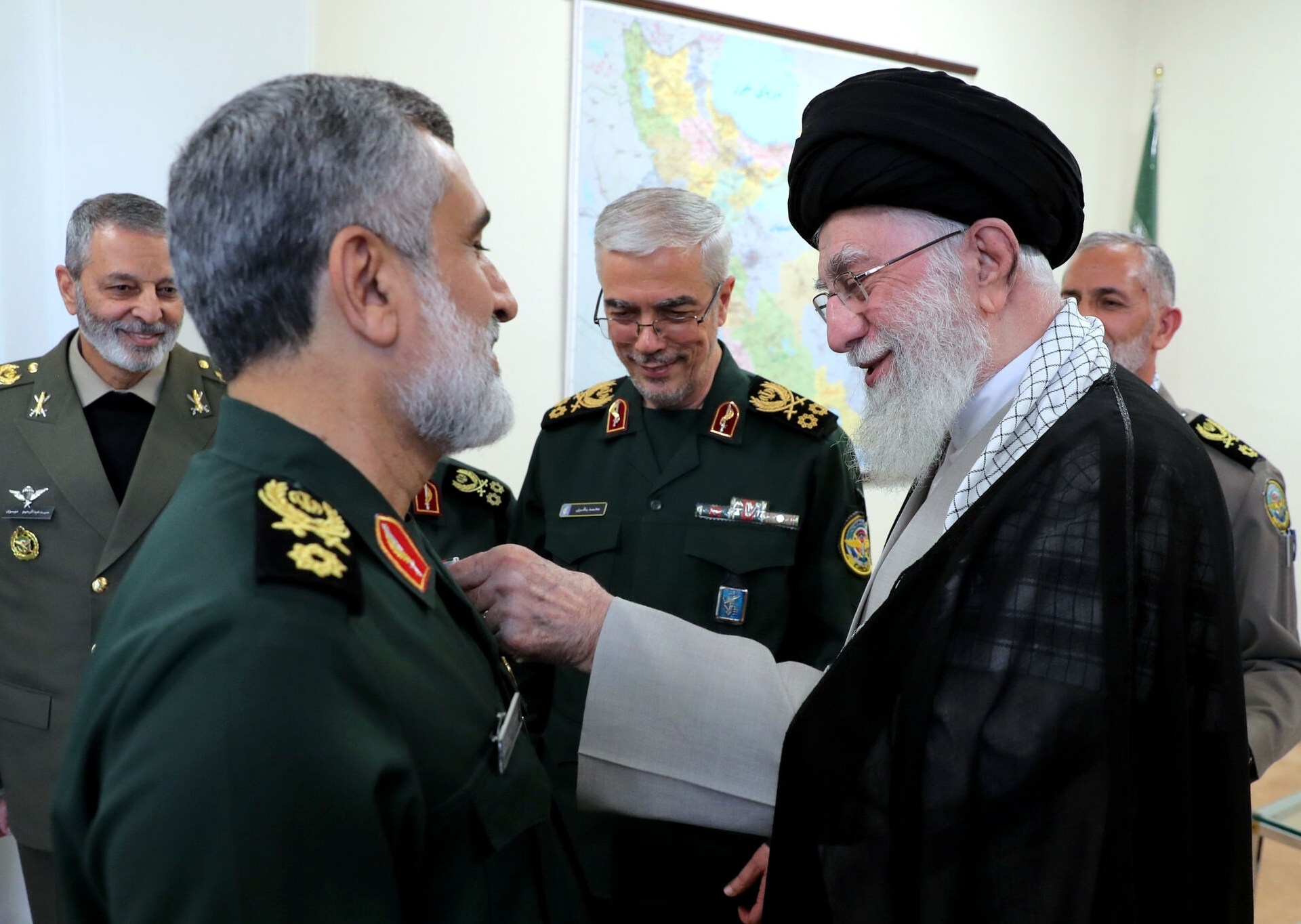
Iran Develops Decentralized Defense Doctrine to Counter US and Israeli Attacks
Tehran has spent two decades studying US wars to develop a defense system that can maintain operations even if its capital is bombed, according to Iranian Foreign Minister Abbas Araghchi. The doctrine, known as “decentralized mosaic defense,” aims to ensure the country’s ability to continue fighting despite significant losses.
At the heart of this doctrine is the concept of decentralizing power and maintaining operational capabilities in the face of potential attacks on senior commanders, key facilities, and communications networks. This approach prioritizes preserving decision-making, keeping combat units operational, and preventing a single devastating strike from ending the war.
The Islamic Revolutionary Guard Corps (IRGC) has been closely associated with this concept, particularly under former commander Mohammad Ali Jafari. The IRGC, along with other military branches such as the Basij, regular army units, missile forces, and naval assets, form part of a distributed system designed to withstand decapitation strikes.
The doctrine’s two central aims are to make Iran’s command system difficult to dismantle by force and to create a layered battlefield that makes it harder for attackers to resolve the conflict quickly. Iranian military thinking does not prioritize firepower but rather endurance, recognizing that conventional superiority is unlikely in any potential conflict with the US or Israel.
Iran’s shift towards this model was influenced by regional shocks following the US invasion of Afghanistan in 2001 and Iraq in 2003. The rapid collapse of Saddam Hussein’s regime led to a reevaluation of Iran’s strategic thinking, with a focus on diffusion rather than central control. Instead of matching conventional superiority, Iran aims to disrupt the enemy’s advantages, prolong the conflict, and raise the cost of continuing it.
In practice, different institutions play distinct roles in the doctrine. The regular army absorbs the initial blow, while air defense units try to blunt enemy air superiority. The IRGC and Basij take on a deeper role in the next stage of conflict, employing decentralized operations, ambushes, local resistance, and disruption of supply lines to wear down the enemy.
Source: Al Jazeera