Iran War Lessons Offered by International Community
April 12, 2026 • Al Jazeera
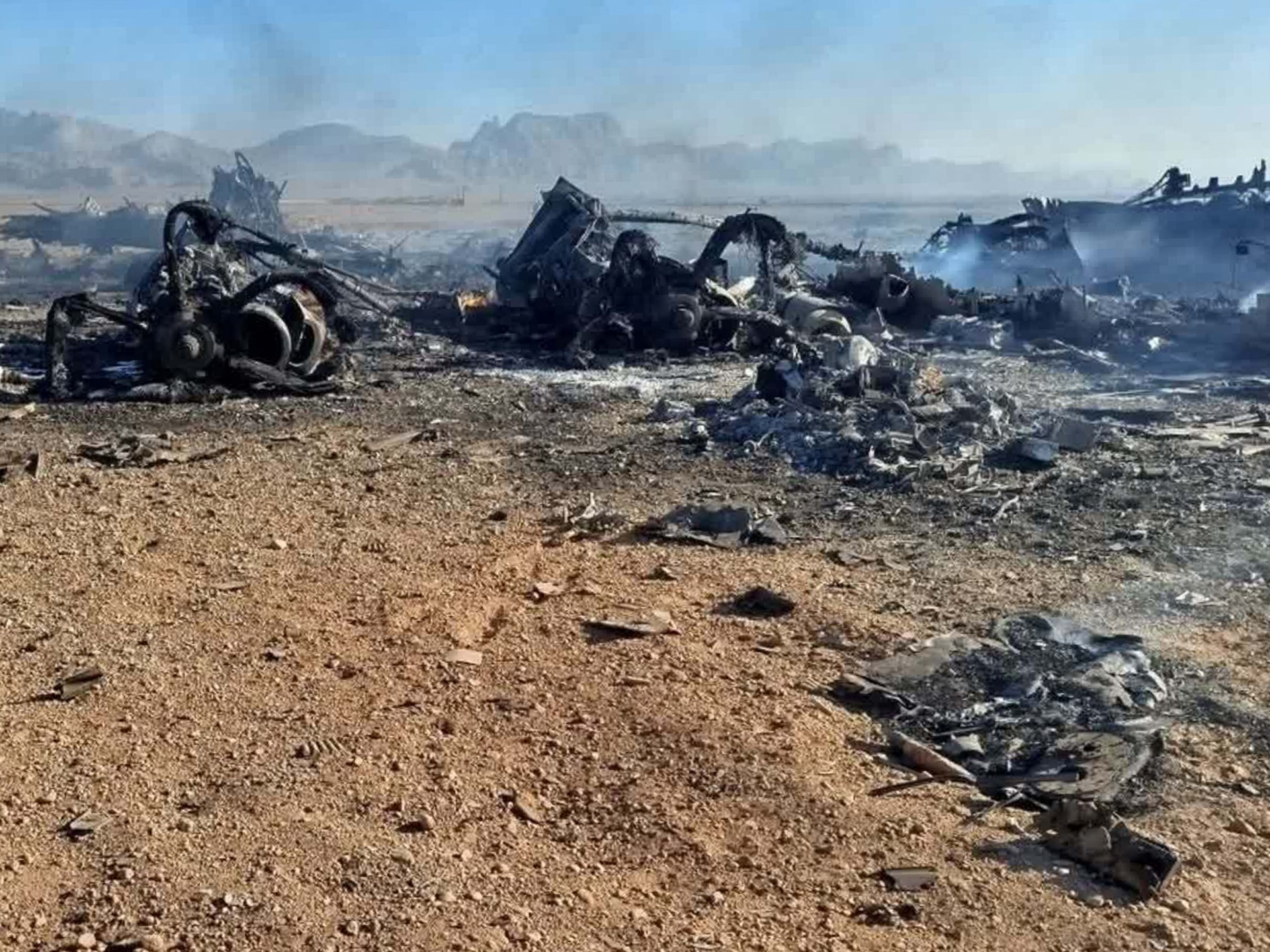
US and Iran Hold Direct Negotiations for First Time in Over a Decade
The United States and Iran held direct negotiations on Saturday for the first time in over a decade, resulting in no agreement. The talks marked a significant shift in the nature of modern warfare, as the past month and a half of conflict has shed light on key lessons that can inform decision-making in Washington.
Iran’s vast territory and population pose significant challenges to any direct confrontation. With approximately 1.64 million square kilometers of land and over 90 million people, Iran dwarfs the environments in which recent major wars have taken place. In contrast, Iraq had roughly one quarter of Iran’s land area and half its population at the time of the US-led invasion in 2003.
Military operations scale nonlinearly, requiring exponentially more logistics, supply lines, and intelligence coverage as territory increases. The terrain also plays a crucial role in warfare, with flat landscapes exposing troops to enemy attacks and mountainous terrain limiting conventional operations. Iran’s unique geography combines both challenges, featuring the Zagros Mountains along its western frontier, the Alborz Mountains protecting key population centers, and vast desert expanses that complicate military maneuvers.
Iran’s long coastline along the Gulf and the Gulf of Oman introduces maritime vulnerabilities, but also defensive depth. The country’s mountainous terrain makes a ground invasion nearly impossible, providing opportunities for hiding missile launchers, military production facilities, and air defenses. This means that even an air campaign could be prolonged due to Iran’s ability to retaliate.
Historical experience suggests that external threats can strengthen national cohesion rather than fracture it. Ukraine’s recent conflict with Russia is a notable example of this phenomenon. Despite linguistic and regional differences, the invasion reinforced Ukrainian national identity and resistance. Iran has followed a similar trajectory, with external military pressure consolidating its state rather than dissolving it.
Iran’s military structure, featuring over 800,000 active personnel, includes both conventional and asymmetric warfare capabilities. Its doctrine emphasizes dispersal, survivability, and long-term resistance, making it a layered defense system designed to withstand prolonged conflicts.
Source: Al Jazeera