Iranian Succession Crisis: Who Will Replace Ayatollah Khamenei?
March 1, 2026 • Al Jazeera
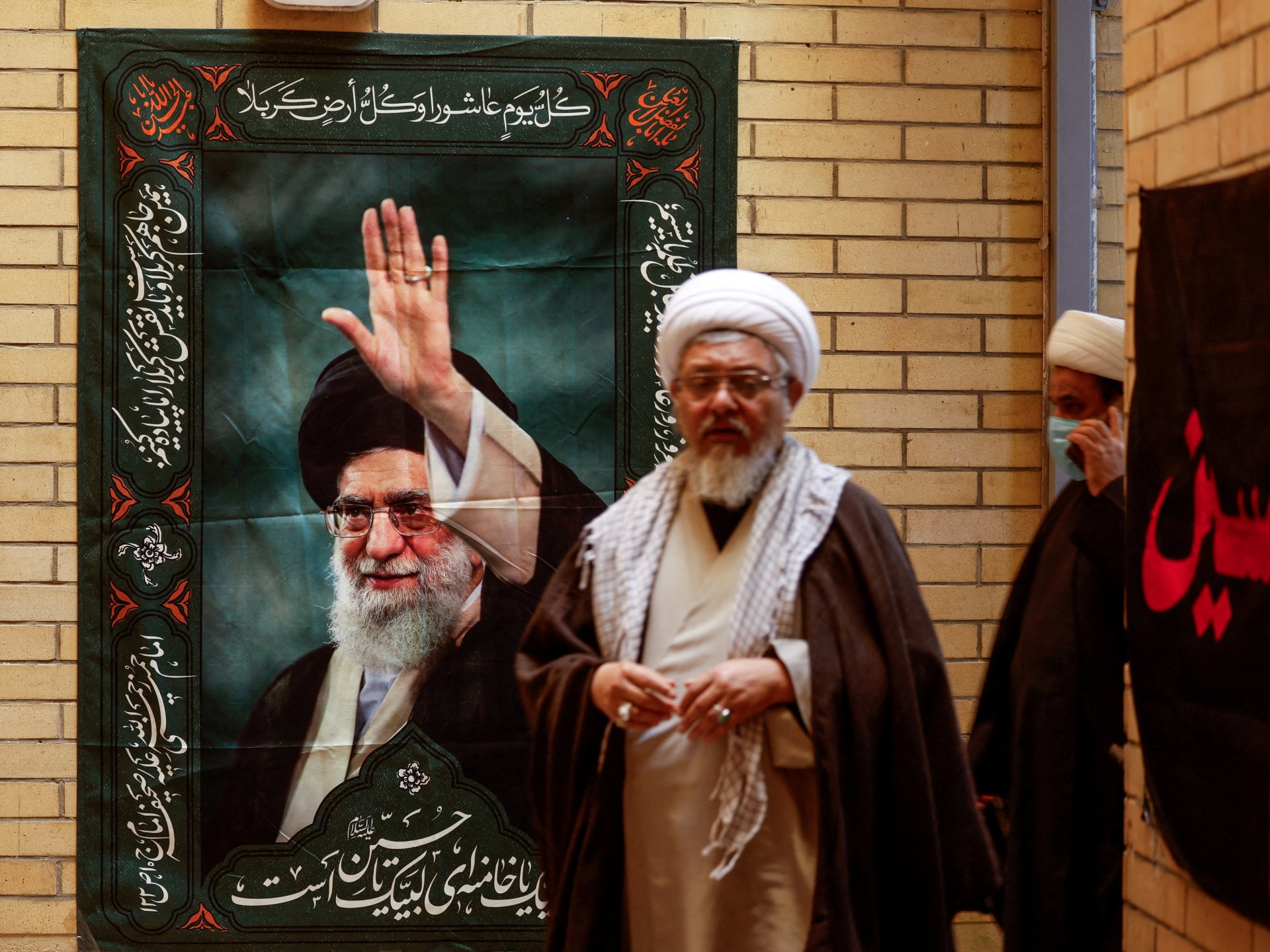
Iran’s Supreme Leader Ayatollah Ali Khamenei, 86, has been assassinated in a US-Israeli air attack, prompting the country’s clerics to convene an emergency meeting to select his successor. The Assembly of Experts, an 88-member clerical body elected by the public every eight years, will determine the next Supreme Leader.
The process of selecting a new leader is governed by Iran’s constitution, which requires a candidate to be a senior jurist with deep knowledge of Shi’a jurisprudence and possess qualities such as political judgment, courage, and administrative capability. The Assembly must approve the candidate with a simple majority.
This marks the first time since 1989 that the Assembly has been tasked with selecting a new Supreme Leader. Grand Ayatollah Ruhollah Khomeini, who led the Islamic Revolution, died at age 86 in 1989. Iran’s President Masoud Pezeshkian, Supreme Court Chief Justice Gholam-Hossein Mohseni-Ejei, and a cleric from the Guardian Council will form a temporary council to handle duties until a new supreme leader is elected.
Several senior leaders close to Khamenei were killed in the attack, including his top security adviser Ali Shamkani and Islamic Revolutionary Guard Corps commander-in-chief Mohammad Pakpour. Tehran has vowed to avenge the killing of Khamenei. The US President Donald Trump warned against retaliatory attacks and suggested that the strikes on Iran would continue.
The Assembly of Experts will convene to choose a successor, with candidates who run for the Assembly first being vetted and approved by the Guardian Council. Mojtaba Khamenei, Khamenei’s second son, is among the top contenders to succeed his father in Iran. The selection process is expected to be complex and may take several days or weeks to complete.
Iran’s security chief Ali Larijani has confirmed that the transition process is underway, while a research associate professor at Qatar University has noted that Iran’s political system has been prepared for this situation.
Source: Al Jazeera