Irans Closure of Strait of Hormuz Sparks Global Concern and Uncertainty
March 25, 2026 • Al Jazeera
Here is a rewritten version of the article in a neutral newsroom style:
Disruptions at the Strait of Hormuz Have Global Implications
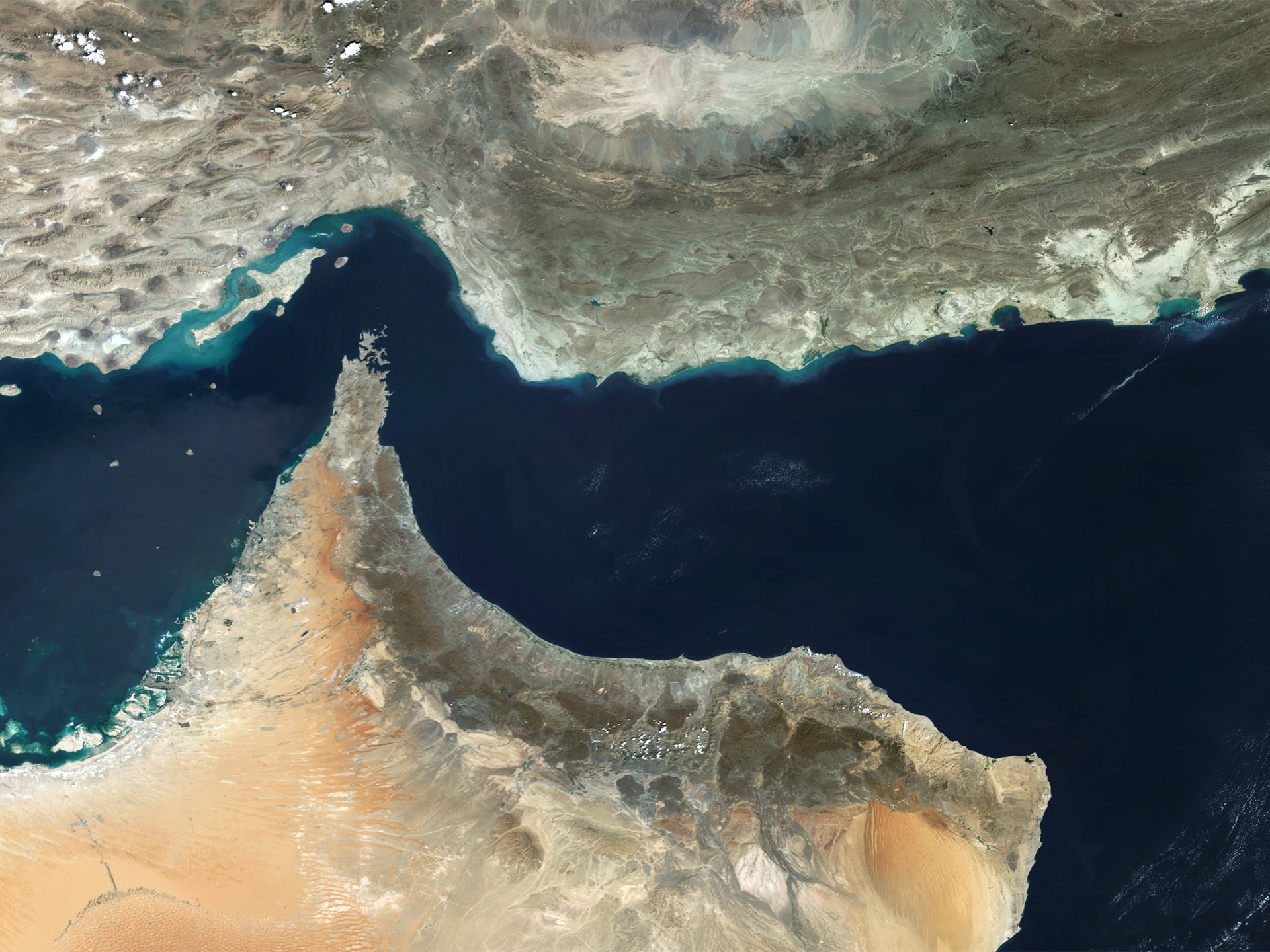
The Strait of Hormuz has been experiencing disruptions for over two weeks, with several vessels being attacked and many others unable to pass through due to safety concerns. The strait, which is a critical gateway for Gulf Cooperation Council (GCC) states to global markets, has had significant regional and global repercussions.
According to recent data, approximately 20% of the world’s petroleum and nearly 5% of global liquified natural gas (LNG) flows pass through the strait. As a result, several major energy companies, including Qatar Energy, Shell, Kuwait Petroleum Corporation, and Bapco, have invoked force majeure across GCC countries.
In response to Iran’s blockade of the strait, Iraq has reduced its oil production by 70% in the Basra region, from 3.3 million barrels per day (bpd) to 900,000 bpd. Saudi Arabia has also had to shut down its largest refinery, processing 550,000 bpd, due to the disruptions.
The UAE has closed down its largest refinery and rerouted oil production through pipelines instead of exporting through the Gulf. As a result, oil prices have increased significantly, reaching nearly $120 per barrel. The LNG sector has also been severely impacted, with Qatar shutting down production and the UAE experiencing disruption in gas production.
These disruptions have had far-reaching consequences for Asian countries, which rely heavily on imports from Qatar and the UAE. China, India, Bangladesh, and South Korea are among those affected, with prices rising significantly due to the shortage of energy supplies.
The legal regime governing navigation through international straits is outlined in the United Nations Convention on the Law of the Sea (UNCLOS) of 1982. Article 38 states that ships and aircraft enjoy the right of transit passage through straits used for international navigation, while Article 44 prohibits coastal states from hampering or suspending transit.
Despite Iran’s non-participation in UNCLOS, several core provisions reflect international law and are binding on all states. The customary nature of navigational freedoms through international straits predates UNCLOS and is affirmed in international jurisprudence.
Source: Al Jazeera