Irans Commercial Hubs Experience Growing Tensions and Frustration
January 8, 2026 • Al Jazeera
Protests Erupt in Iran Amid Economic Crisis
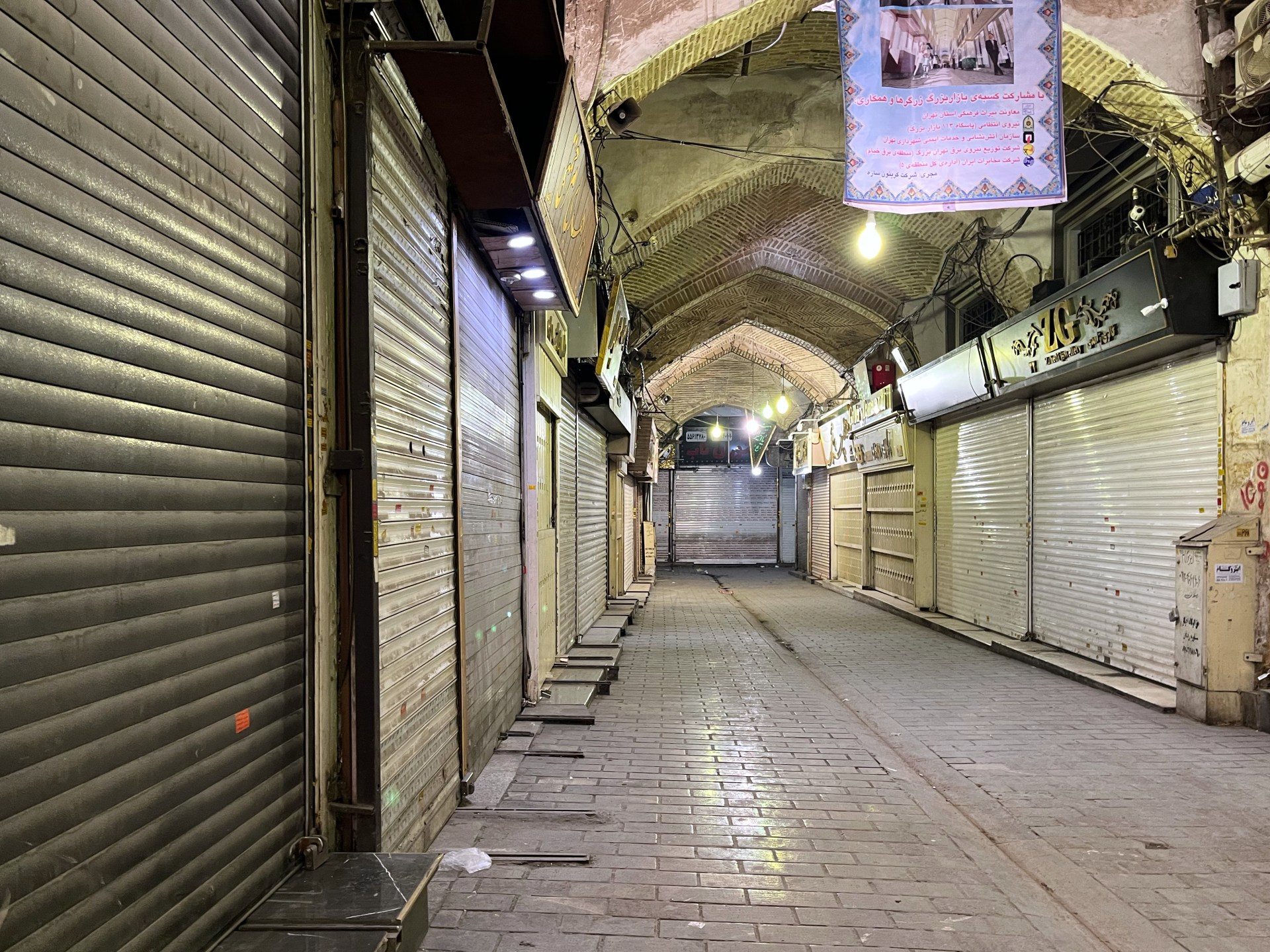
A series of protests began in Tehran’s Grand Bazaar on a cold December day after several merchants closed their shops due to financial losses. The Iranian national currency, rial, had lost nearly half its value over the past year, causing daily financial strain for the merchants.
The protests soon spread across Iran, driven by mounting economic pressures and soaring consumer prices. Commercial hubs became flashpoints for frustration over high inflation, stagnant wages, and rising living costs. Demonstrations were reported in cities such as Azna, Malekshahi, Kermanshah, Marvdasht, and Fouladshahr.
Violent confrontations with security forces resulted in deaths, injuries, and arrests. The protests have been compared to previous waves of unrest in Iran, including the student and reformist protests of 1999-2003, the Green Movement after the 2009 presidential election, and the Woman, Life, Freedom protests following Mahsa Amini’s death in custody in 2022.
The latest round of protests appears to be driven by economic desperation rather than sociopolitical demands. The weight of financial struggles, including privation, unpaid bills, and erosion of dignity due to scarcity, has transformed private despair into public outcry. Years of international sanctions and domestic mismanagement have left Iran’s economy in a fragile state.
In response to the protests, President Masoud Pezeshkian has acknowledged the public’s right to peaceful protest and instructed the Ministry of Interior to engage directly with demonstrators. The government has announced policy initiatives aimed at addressing public discontent, including a new subsidy framework and a plan to improve living standards. A new governor for the Central Bank of Iran has also been appointed in an effort to stabilize the currency and restore public confidence.
The government’s response to the protests has been notable for its immediacy and willingness to engage with demonstrators. The leadership has framed the unrest within the context of both domestic hardship and external pressure, stating that “external pressures are being exerted by the country’s enemies, and unfortunately, within the country as well.”
Source: Al Jazeera