Irans Energy Balance Takes a Turn Amid Limited Options
June 3, 2026 • Al Jazeera
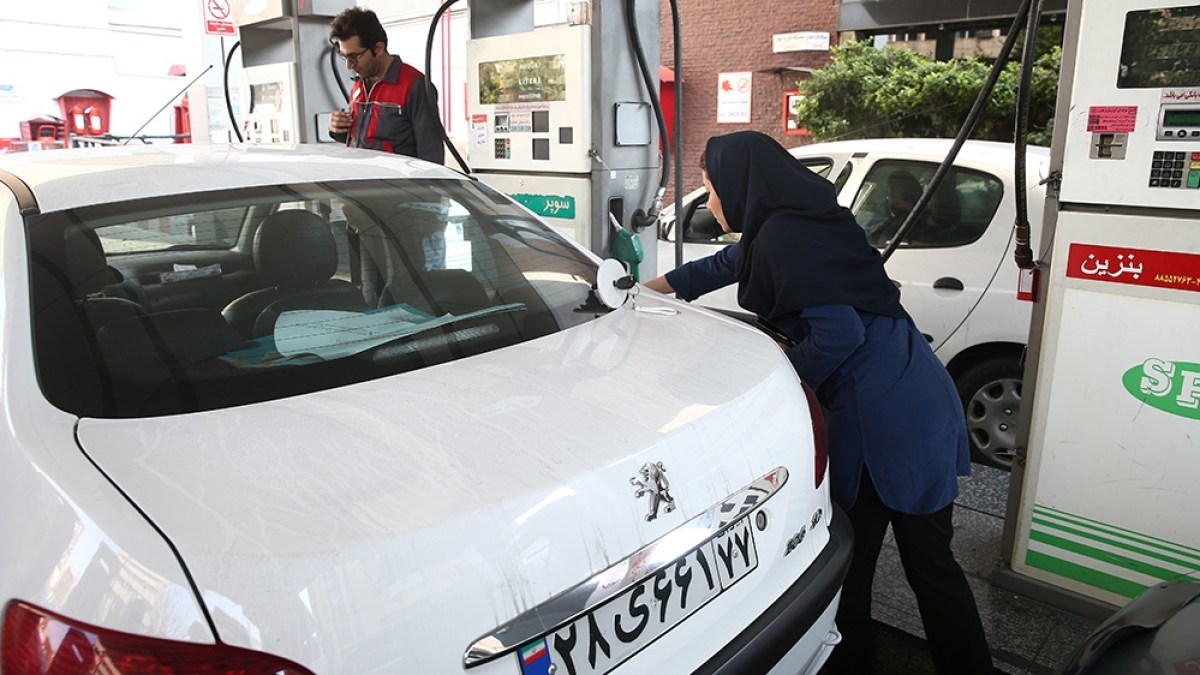
Iran’s Government Weighs Energy Control Options Amid Economic Strains
Tehran, Iran - As summer approaches, Iran is facing increased energy constraints due to rising demand for air conditioning and other cooling needs. The country’s reliance on imported fuel will continue as refinery output struggles to keep pace with consumption.
Iran has historically maintained low utility bills through a combination of subsidies, tariffs, state-controlled pricing, and direct financial support. However, the ongoing war with Israel and the United States has reduced the government’s ability to address an energy crisis this summer.
Despite possessing the world’s third-largest proven crude oil reserves, Iran will need to import fuel due to the imbalance between supply and consumption. President Masoud Pezeshkian has urged households and offices to reduce energy consumption, including turning down air conditioning thermostats.
The government has implemented various measures to manage energy costs, including a tiered gasoline price scheme. This system includes three tiers of pricing: one for subsidized petrol, another for standard fuel, and a third for non-subsidized fuel. The administration’s efforts to reduce subsidies have resulted in limited increases in petrol prices.
Petrol stations are now issuing “emergency cards” that allow customers to purchase additional fuel at a reduced rate. However, staff at these stations have been instructed to limit the use of these cards due to supply constraints. The Iranian government is also implementing similar schemes for natural gas, electricity, and urban water.
Esmail Saghab Esfahani, vice president of the Organization for Energy Optimization and Strategic Management, stated that reforming energy prices is not currently feasible due to economic conditions and social concerns. Changes to pricing structures have impacted small businesses already struggling with dire economic conditions in Iran.
Source: Al Jazeera