Irans Establishment Faces Uncertainty After Supreme Leader Khameneis Death
March 1, 2026 • Al Jazeera
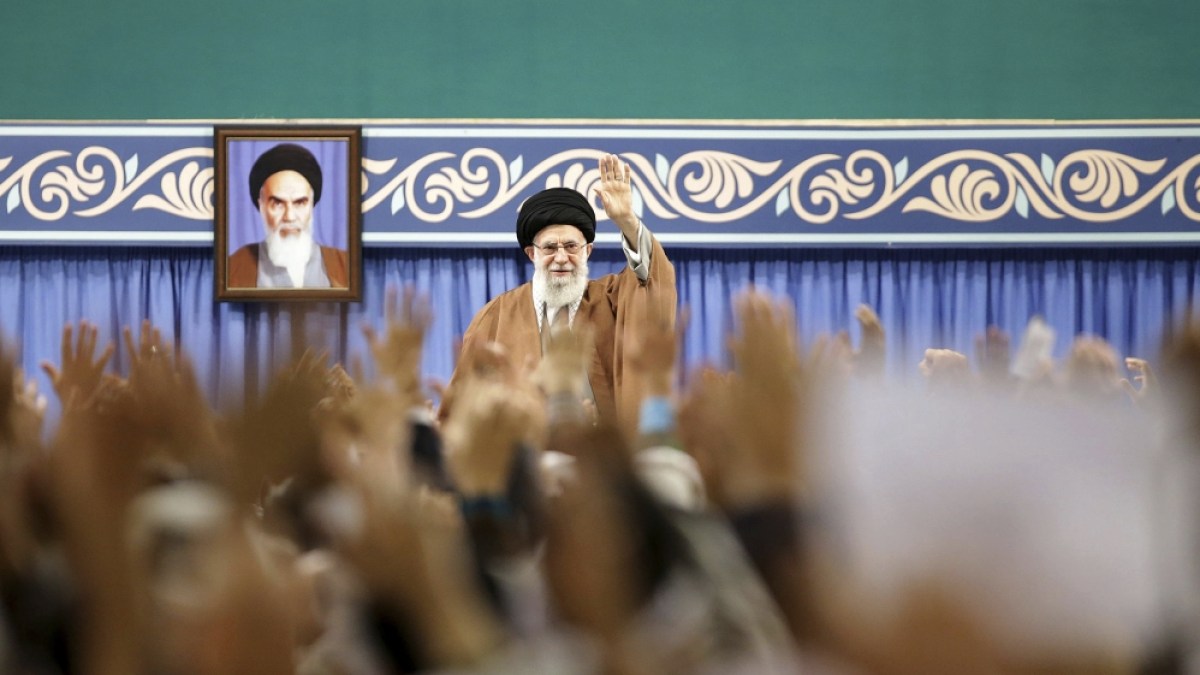
US and Israeli Air Attacks Target Iranian Supreme Leader
A joint US-Israeli air attack on Sunday targeted Iran’s Supreme Leader Ayatollah Ali Khamenei, resulting in significant losses for the country’s leadership. The assassination has sparked protests by his supporters and triggered a response from Iranian President Masoud Pezeshkian, who stated that seeking revenge is the country’s “duty and legitimate right”.
The operation was framed by US President Donald Trump as a “liberation” moment, predicting that the removal of Khamenei would lead to the swift collapse of the Iranian government. However, analysts suggest that the decapitation of Iran’s top leadership may not result in the desired outcome.
Insiders, military experts, and political sociologists have warned that the operation risks birthing a “garrison state” – a paranoid, militarized system fighting for its existence with no political red lines left to cross. The US central premise is that Iran is too brittle to survive the death of its supreme leader.
Military analysts caution against assuming that air strikes alone can trigger regime change. Michael Mulroy, a former US deputy assistant secretary of defence, stated that without “boots on the ground” or a fully armed organic uprising, the state’s deep security apparatus can survive by maintaining cohesion.
Iran’s dual military structure is rooted in its government being protected not just by a regular army (Artesh), but also by the Islamic Revolutionary Guard Corps (IRGC) and the Basij, a vast paramilitary volunteer militia. The resilience of this system is already being tested, with key security officials killed or incapacitated.
The leadership transition will begin on Sunday, with an interim leadership council to be formed comprising the president, judiciary chief, and a jurist from the Guardian Council. This council will assume responsibility until the election of the next leader.
Source: Al Jazeera