Irans government maintains cautious approach to avoiding 1979 revolution repeat
January 13, 2026 • Al Jazeera
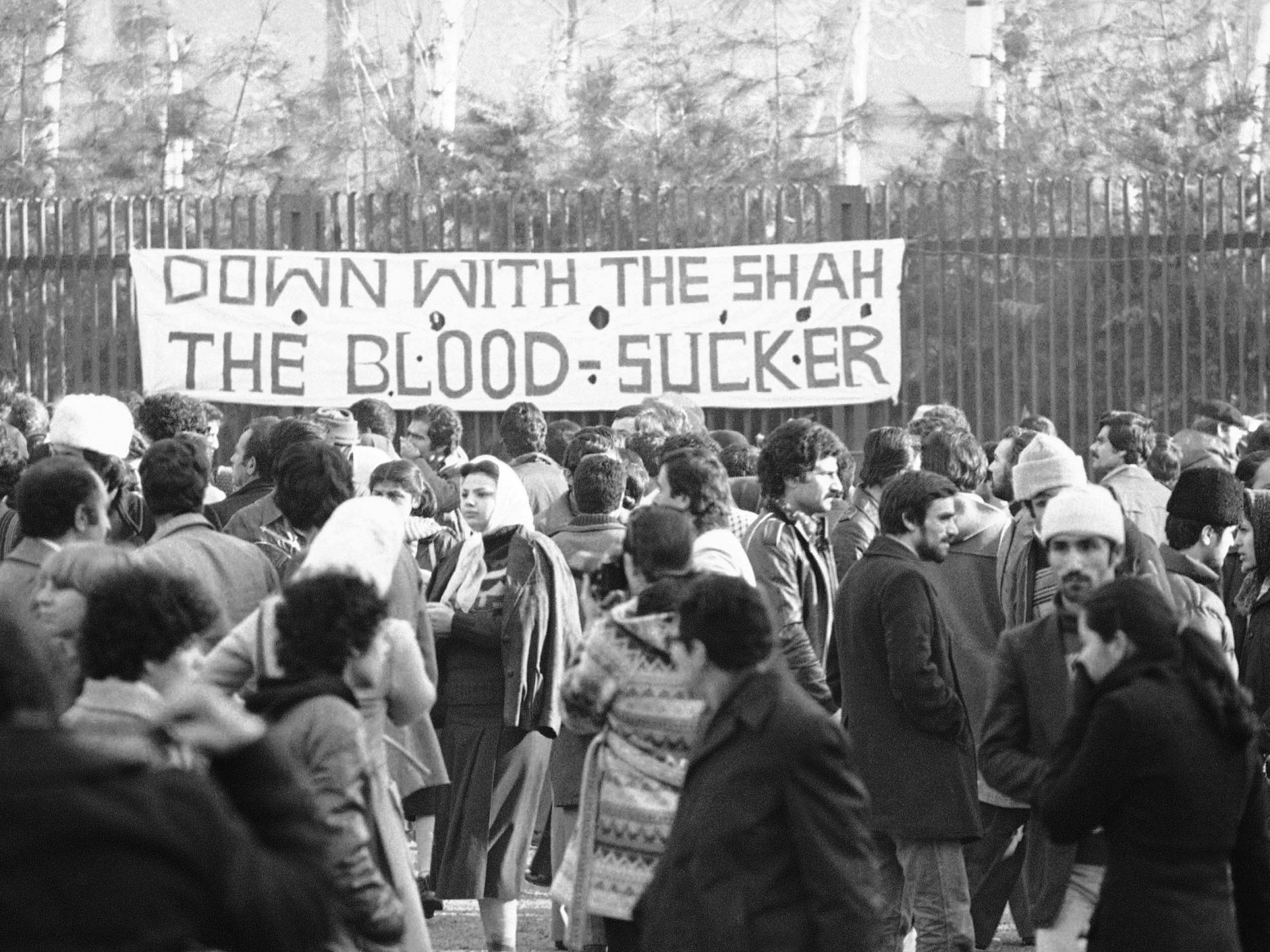
Protests in Iran Continue to Intensify Nationwide
A sustained wave of unrest has engulfed Iran, with protests spreading across the country and violence escalating. The true death toll remains uncertain. The situation bears some resemblance to the final months of the shah’s rule in 1979, but a closer examination reveals significant differences.
In the 1970s, the success of the revolution was attributed to the convergence of coordinated opposition under Ayatollah Ruhollah Khomeini and the ruling elites’ inability to effectively repress dissent. The shah’s leadership faltered during crises, and his repressive apparatus was fragmented and socially heterogeneous.
In contrast, Ayatollah Ali Khamenei’s leadership has been marked by decisiveness since assuming the position of supreme leader in 1989. The Islamic Republic has transformed into a theocratic security state that relies heavily on repression rather than societal consent. The coercive power is distributed across various institutions, including the Islamic Revolutionary Guard Corps, the Basij, and intelligence services.
These forces are concentrated within a highly institutionalized and ideologically committed apparatus, with loyalty not solely transactional but also ideological and generational. Ideological vetting and patronage ensure that their loyalty is actively cultivated, tying social mobility, economic security, and sense of identity to the survival of the regime.
In moments of crisis, these loyalists act preemptively to prevent protest diffusion and frame unrest as foreign-backed sedition, leading to stricter repression. Even large-scale protests would not fundamentally challenge the regime but rather lead to increased violence. This highlights a key lesson: Protests in Iran today are unlikely to result in significant regime change due to the regime’s robust coercive apparatus.
Source: Al Jazeera