Irans Leadership in Turmoil Following Death of Supreme Leader Khamenei
March 1, 2026 • Al Jazeera
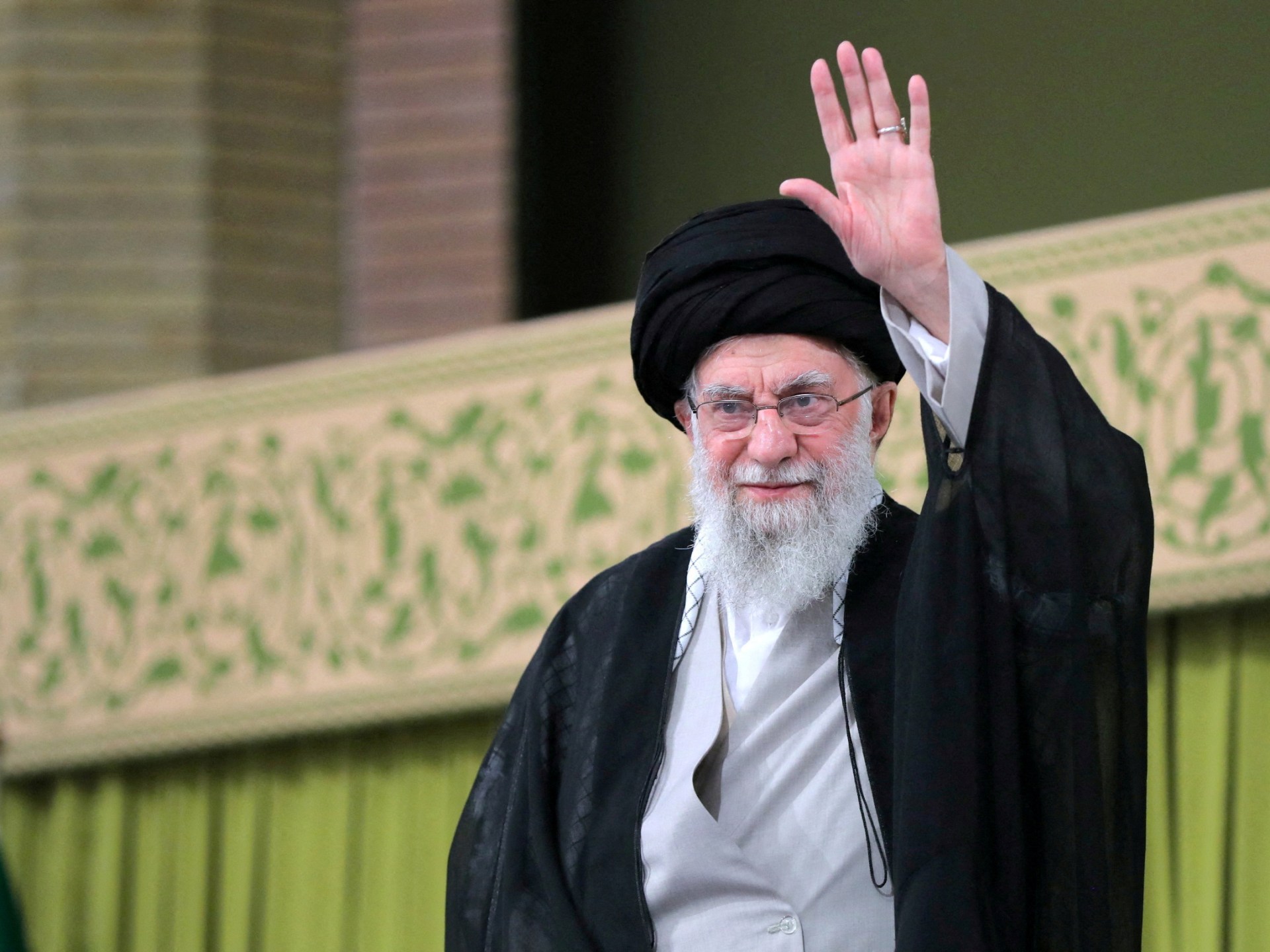
US and Israeli Intervention in Iran: Experts Weigh In on Potential Outcomes
A recent surge in tensions between the US, Israel, and Iran has led some to speculate about the potential for regime change in the country. However, experts say that the likelihood of a sudden rupture and smooth transition is low.
According to Professor [Name] from Philipps-Universität Marburg, Germany, the “moral barrier” to intervention was significantly lowered by recent events, including the bloody crackdown on protests in January and extensive media coverage of the Iranian opposition. The US and Israeli governments have since urged Iranians to take action, with some celebrating the assassinations of high-ranking officials.
However, experts point out that the removal of a central figurehead does not necessarily lead to a smooth transition. In fact, recent examples from Afghanistan, Iraq, and Libya suggest that external military operations often result in chaos rather than stability.
These countries have experienced regime change following US-led interventions, but stability has remained elusive. Afghanistan saw two decades of fighting after the 2001 invasion, while Iraq’s democratisation efforts were hindered by ongoing insurgencies. Libya’s collapse following a NATO-led intervention in 2011 led to widespread instability and division between Tripoli and Benghazi.
Experts note that Iran is different from these countries in several ways. The assassination of Ayatollah Khamenei may have a profound impact, but it does not necessarily lead to state collapse. Instead, it could trigger a surge of nationalist cohesion and deep-seated resentment towards external intervention.
The martyrological framing of Khamenei’s death as a redemptive passage rather than defeat has the potential to rally a significant portion of the population around a narrative of national defence. This may be more challenging due to recent protests, but it remains a possibility.
It is also worth noting that the experiences of Iraq, Libya, and Afghanistan demonstrate that outside intervention often results in long-lasting fragility and volatility rather than stability. As such, experts caution against underestimating the complexity of the situation in Iran.
Source: Al Jazeera