Irans State System Faces Scrutiny Over Robustness and Resilience
March 2, 2026 • Al Jazeera
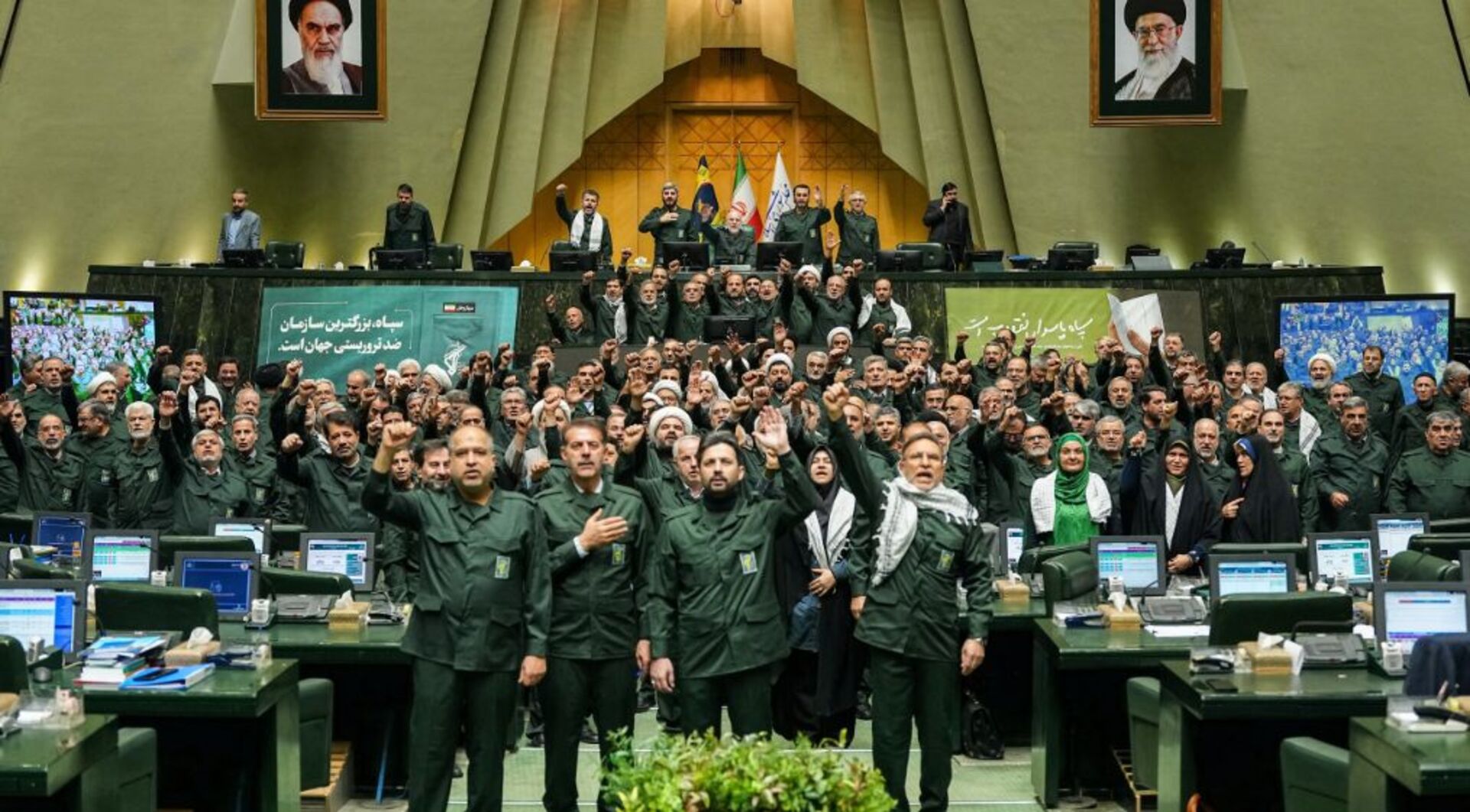
Iran Under Pressure Following Attacks on Supreme Leader
A series of strikes carried out by the United States and Israel on Saturday resulted in the death of Iran’s Supreme Leader, Ali Khamenei. The attacks drew large crowds to the streets, with mourners gathering to pay their respects.
The process of selecting a new leader is now underway, as Iran navigates this significant development. To understand how Iran functions and the resilience of its state systems, experts were consulted.
Iran’s government structure is based on a complex system of power sharing between various branches. The Supreme Leader serves as the head of state and the commander-in-chief of the armed forces, while the president holds executive authority. The country’s constitution also outlines specific roles for the judiciary and legislative branches.
The impact of the attacks on Iran’s state systems remains to be seen. Experts noted that the country’s military capabilities have been a subject of concern in recent years, with various nations imposing sanctions and conducting cyberattacks.
Ibrahim Fraihat, Associate Professor in international conflict resolution at the Doha Institute for Graduate Studies, discussed the potential implications of the attacks on Iran’s internal dynamics. Sanam Vakil, Director of the Middle East and North Africa Programme at Chatham House, highlighted the significance of the Supreme Leader’s role in maintaining stability within the country.
Elijah Magnier, a military and political analyst, provided insight into the potential consequences of the attacks on Iran’s relationships with other nations.
Source: Al Jazeera