Irans Supreme Leader Ayatollah Ali Khameneis lasting impact on the country
February 28, 2026 • Al Jazeera
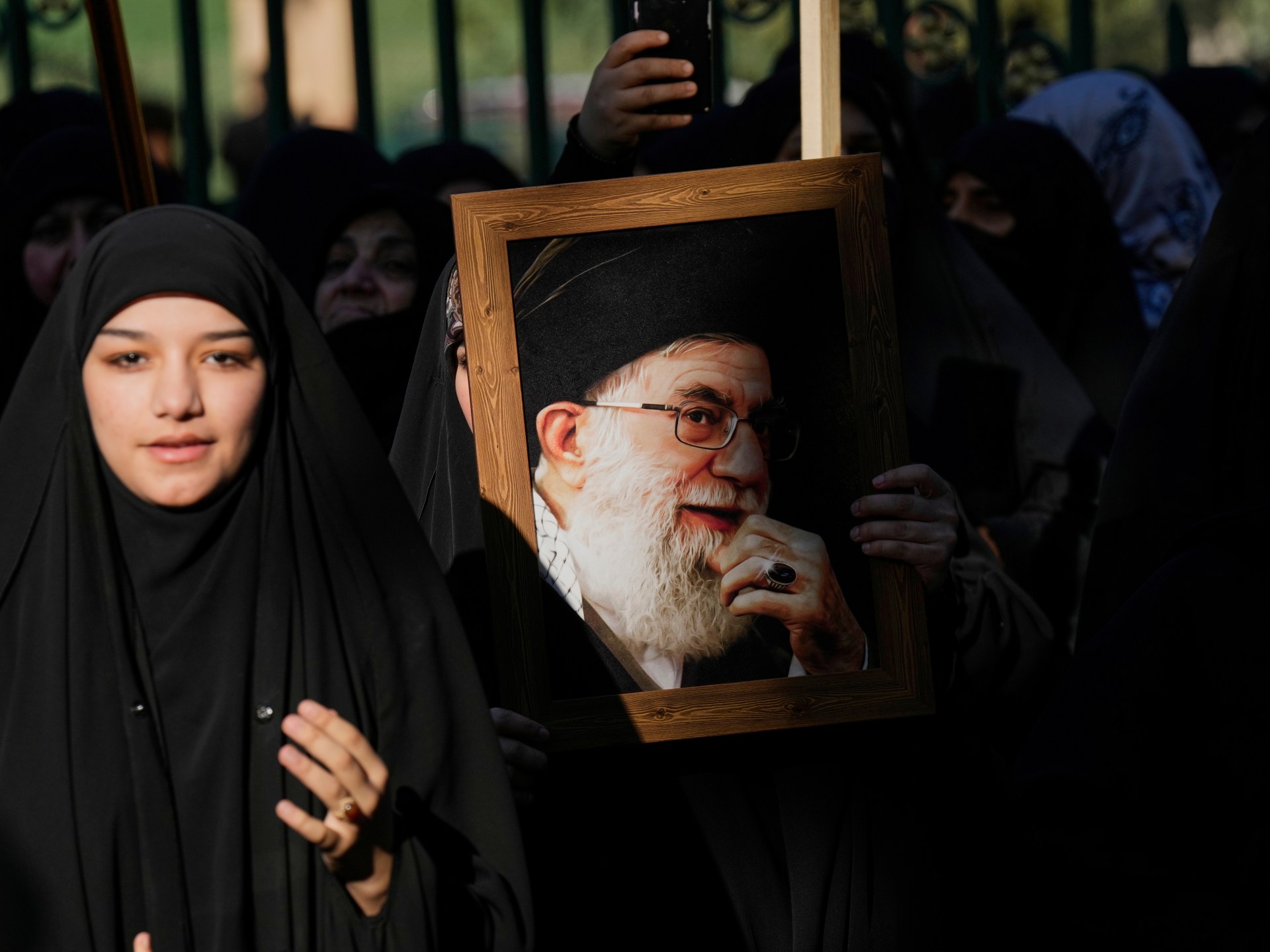
US President Donald Trump has announced that Iran’s Supreme Leader Ali Khamenei was killed following joint US-Israeli air strikes on his compound on Saturday.
Khamenei took office as supreme leader of the Islamic Republic in 1989, succeeding Ayatollah Ruhollah Khomeini. Prior to becoming supreme leader, he served as president during a bloody war with Iraq in the 1980s. Khamenei’s rule was marked by his focus on national security and defence against external threats.
Khamenei’s background is rooted in his family’s history. Born in 1939 in Mashhad, Iran, he is the son of a renowned Muslim leader. His father led an Azerbaijani mosque before moving to Mashhad, where Khamenei completed his primary education at the first Islamic school in the city.
Khamenei has been described as a key figure in shaping Iran’s military and paramilitary apparatus. He promoted a “resistance economy” to foster self-reliance in the face of Western sanctions. His rule was tested by various challenges, including protests over presidential elections in 2009 and women’s rights in 2022.
Critics have argued that Khamenei’s focus on national security led to a loss of trust among the Iranian population. Analysts say his distrust of the West, particularly the US, deepened during his rule. Khamenei’s legacy is complex, with some viewing him as a strong leader who prioritized national independence, while others see him as out-of-touch with the needs of the Iranian people.
Khamenei’s death marks a significant development in Iran-US relations. The circumstances surrounding his death are currently unclear.
Source: Al Jazeera