Israel and Hezbollah Agree on Ceasefire Deal
March 11, 2026 • Al Jazeera
Here is a rewritten version of the news article in a neutral newsroom style:
Ceasefire Agreement Between Israel and Hezbollah Fails to Hold
A ceasefire agreement brokered by the United States and France on November 27, 2024, aimed to bring an end to hostilities between Lebanon and Israel. However, the arrangement proved to be temporary and structurally weak, allowing underlying dynamics of confrontation to persist.
Under the terms of the agreement, Israeli forces were granted the authority to conduct operations whenever they perceived a potential threat to their security. This clause introduced a fundamental imbalance in the monitoring mechanism, which was tasked with overseeing the agreement but lacked the authority to independently verify threats or adjudicate violations.
The monitoring mechanism, chaired by the US and including France, Lebanon’s Armed Forces, Israel’s military, and the United Nations Interim Force in Lebanon (UNIFIL), failed to establish a clear process for verifying or addressing breaches of the agreement. As a result, accountability remained elusive from the outset.
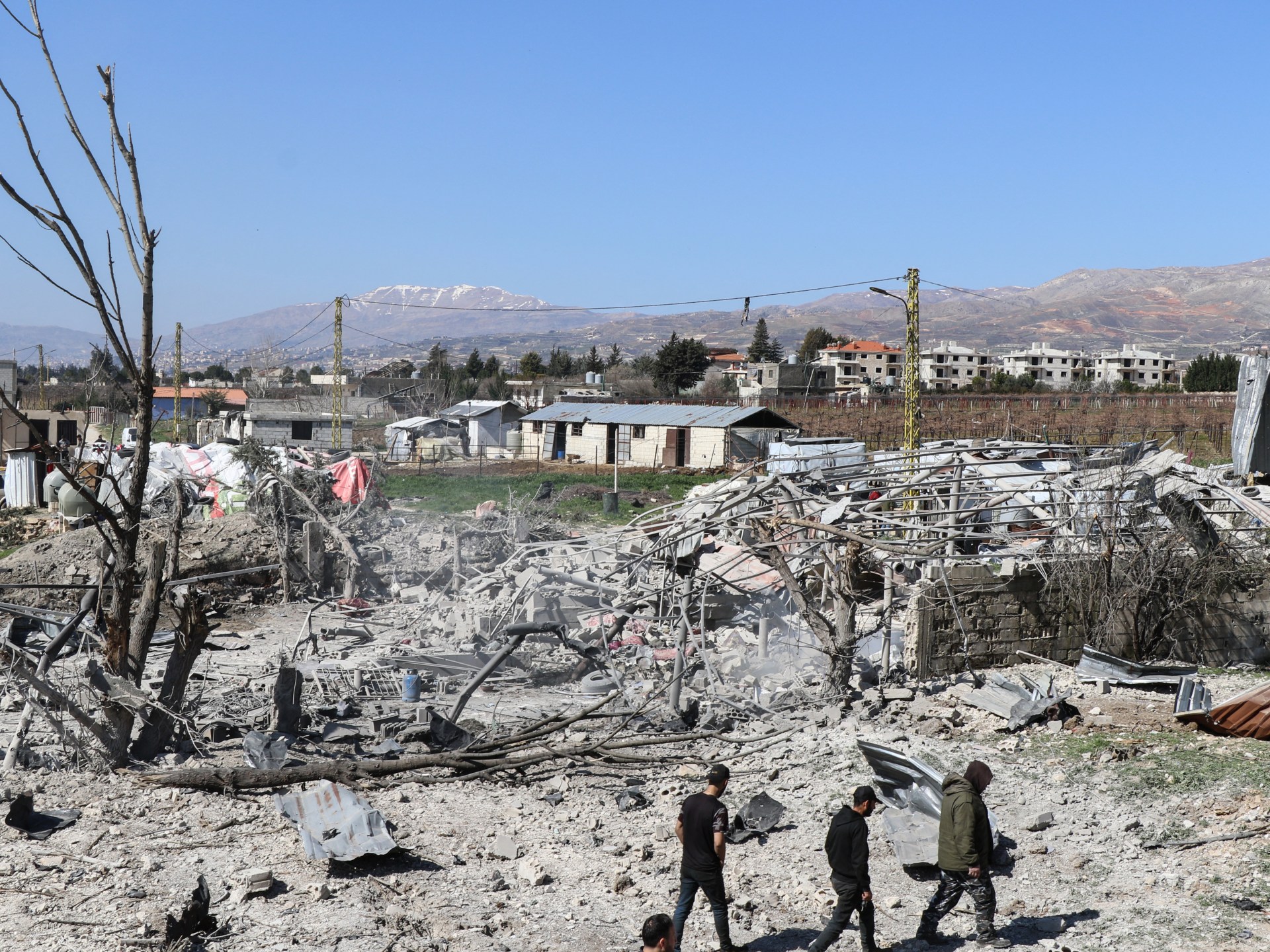
According to UNIFIL records, between November 27, 2024, and February 2026, more than 10,000 Israeli violations of Lebanese airspace and 1,400 military activities were recorded inside Lebanese territory. These incidents resulted in approximately 400 deaths and over 1,100 injuries in Lebanon.
The monitoring mechanism collapsed with the resumption of hostilities between Hezbollah and Israel after the start of the US-Israeli war on Iran. Israeli forces still maintain control of five positions inside Lebanese territory near several villages, despite being expected to withdraw under the terms of the ceasefire agreement.
UNIFIL worked with Lebanon’s Armed Forces to facilitate the redeployment of the Lebanese army in southern Lebanon, but continued Israeli strikes and military presence prevented the LAF from fully re-establishing authority in the south. The renewed conflict that erupted on March 2, 2026, appears even more asymmetric, unpredictable, and violent than previous confrontations.
The lack of active diplomatic mediation has contributed to the escalation of the conflict. Unlike earlier phases, when international diplomacy attempted to prevent full-scale war, this new round has unfolded in a relative diplomatic vacuum.
Source: Al Jazeera