Israel launches airstrikes targeting Iranian fuel facilities
March 9, 2026 • Al Jazeera
Tehran Experiences Devastating Consequences from Israeli Strikes
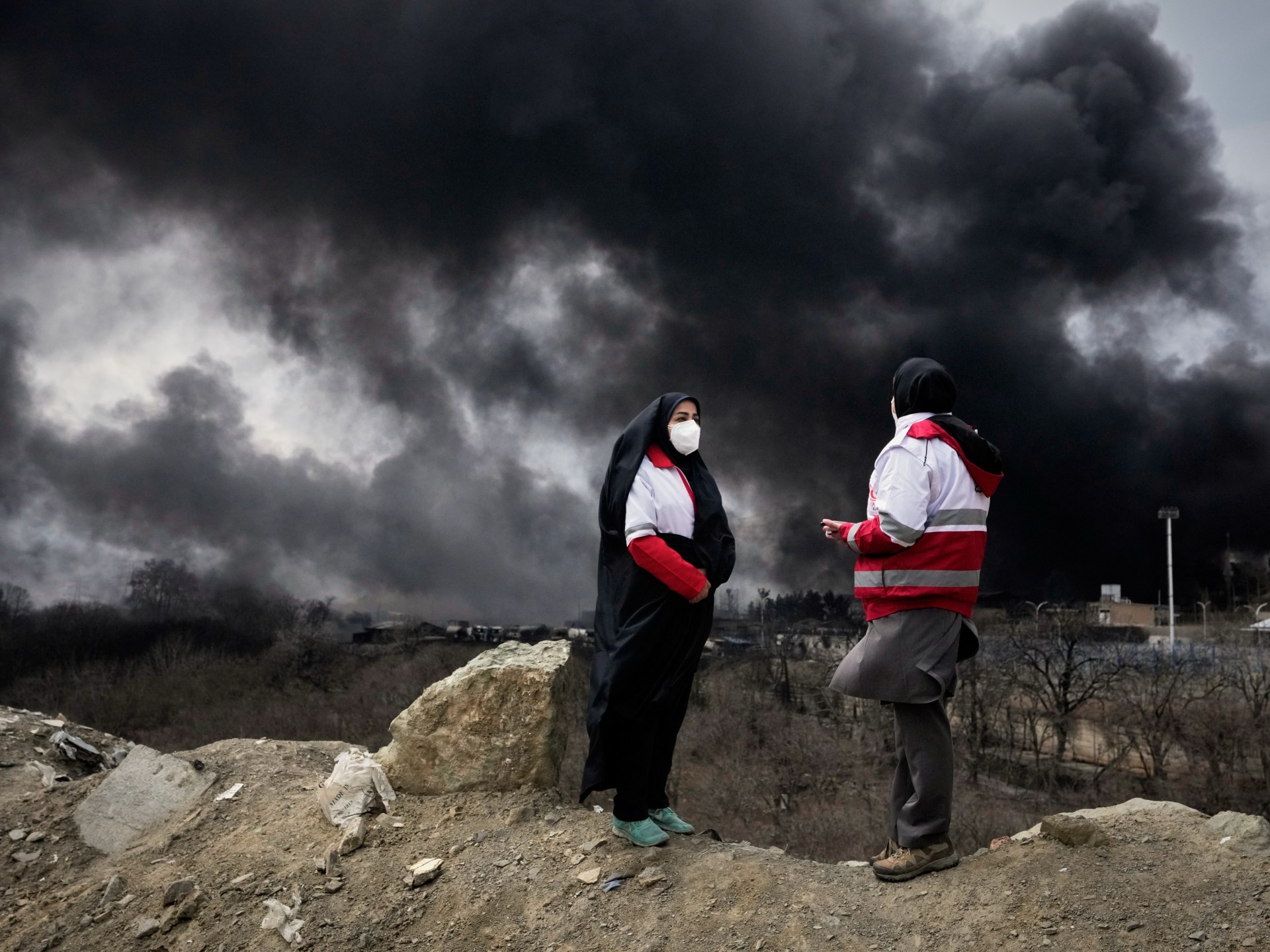
A series of airstrikes on fuel depots and petroleum logistics sites in Tehran resulted in widespread destruction and significant environmental damage. The attacks, which occurred on Sunday, saw oil spills ignite fires and create thick black smoke that blanketed the city, leaving streets and vehicles covered with soot.
According to official statements, the strikes targeted Iranian military and government sites. However, eyewitnesses and local officials reported that civilian structures such as schools, hospitals, and major landmarks were also affected.
At least 1,255 people have been killed in the strikes since February 28. The Iranian Department of Environment described the destruction of oil depots as an act of ecocide. Environmental experts noted that the attacks had trapped the capital under a suffocating shroud of pollutants, causing immediate and severe medical and environmental fallout.
The Iranian Red Crescent Society warned that the smoke contained high concentrations of toxic hydrocarbons, sulphur, and nitrogen oxides, which posed risks to human health upon contact or inhalation. The organization also reported that acid rain was contaminating soil and water supply.
Government officials and experts have varying opinions on the motivations behind the strikes. Some argue that the primary objective is to break the resilience of the Iranian people and paralyze the country’s logistics and economy. Others claim that the strategy is designed to make life hell for ordinary Iranians in hopes of sparking an uprising.
The attacks have had significant consequences, including a reduction in daily fuel rations for civilians from 30 litres to 20 litres. At least four employees were killed in the depot strikes.
Source: Al Jazeera