Israel Targets Beiruts Dahiyeh, a Suburb with Strategic Significance for Lebanon
March 18, 2026 • Al Jazeera
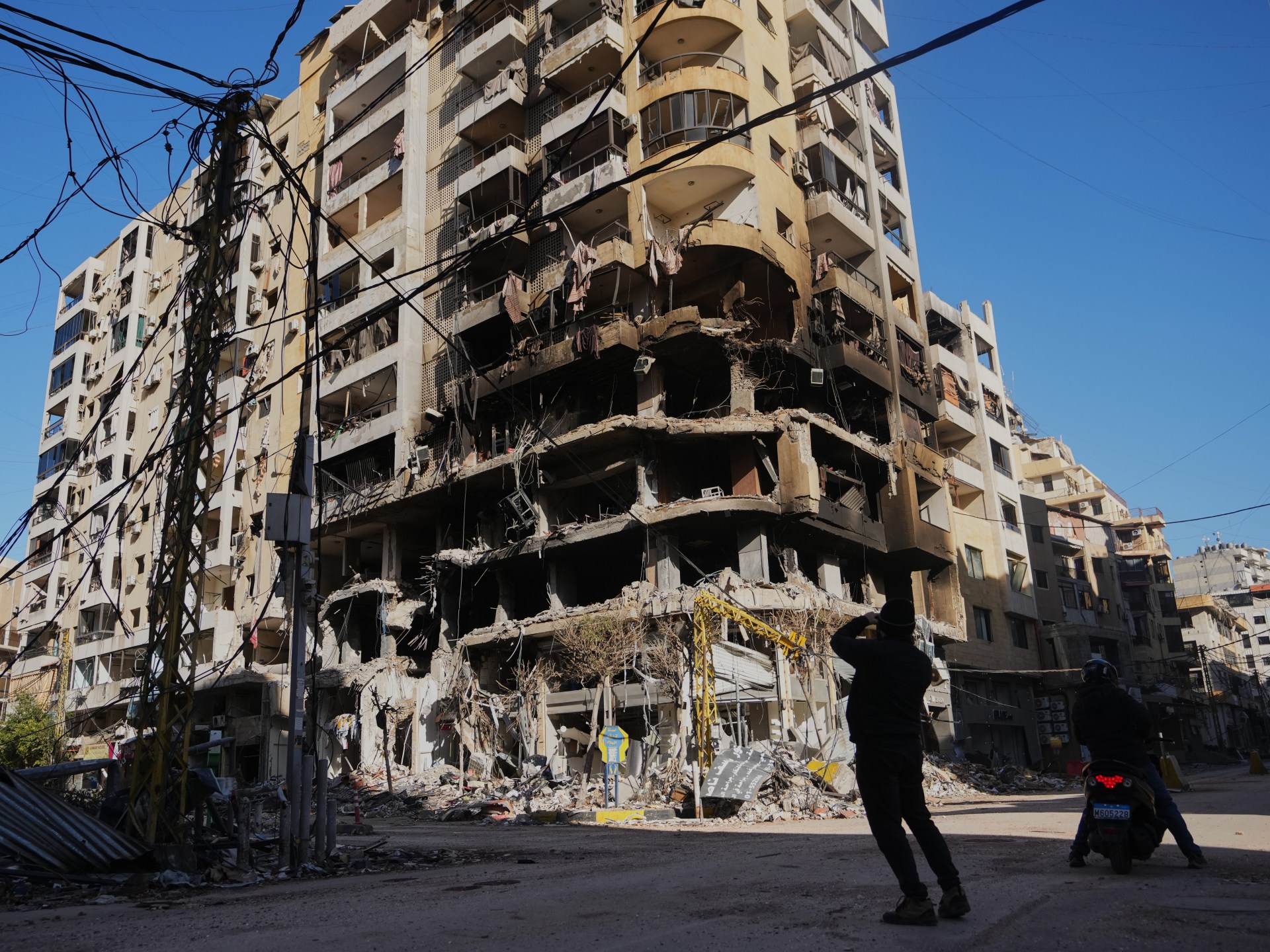
Beirut’s Southern Suburb, Dahiyeh, Gains Recognition as a Complex Urban Territory
The southern suburb of Beirut, commonly referred to as Dahiyeh, has long been perceived as an isolated entity, but its history reveals a complex narrative of migration, displacement, and socioeconomic inequality. The term “dahiyeh” translates to “the suburb” in Arabic, yet it encompasses a dense belt of neighborhoods that have grown from villages, fields, and informal housing into a major extension of the city.
Over the past 50 years, Dahiyeh has been shaped by migration and displacement, with many individuals moving there in search of work or housing. However, most others were displaced due to wars, political unrest, evictions, and neglect by the Lebanese state. The social geography of Lebanon was transformed in 1948, when Israel’s establishment led to the expulsion of over 700,000 Palestinians from their land.
Following Israel’s occupation of Palestinian lands in 1967 and the expulsion of Palestinian fighters from Jordan in 1970, southern Lebanon and parts of Beirut became increasingly tied to the Palestinian national movement. The growth of Dahiyeh accelerated after the 1975 Lebanese civil war, when people displaced from other areas moved south. Subsequent Israeli attacks and invasions in 1978 and 1982 further drove residents to the outskirts of the capital.
Studies by scholars such as Mona Harb have shed light on how the term “dahiyeh” evolved into a distinct political space, marked as Beirut’s “belt of misery.” Harb’s work frames Dahiyeh as a politically produced urban territory rather than just an outside area. The southern suburb is now part of Greater Beirut, woven into the capital geographically, economically, and socially.
The history of modern Lebanon reveals a complex system of power distribution that created inequality and formalized it. Rural areas, particularly the south and Bekaa Valley, remained underdeveloped and politically neglected for decades. The Shia community, disproportionately concentrated in poorer agricultural regions, faced limited access to state investments, infrastructure, and patronage.
Israeli attacks on Palestinian positions inside Lebanon also affected surrounding Lebanese communities, mainly in the south. This reality sharpened a bitter awareness among the Shia population: they were living on the front lines of a regional conflict while being denied equal economic rights and meaningful political inclusion in Lebanon itself.
Source: Al Jazeera