Israels military action in Gaza causes widespread transportation disruptions
February 7, 2026 • Al Jazeera
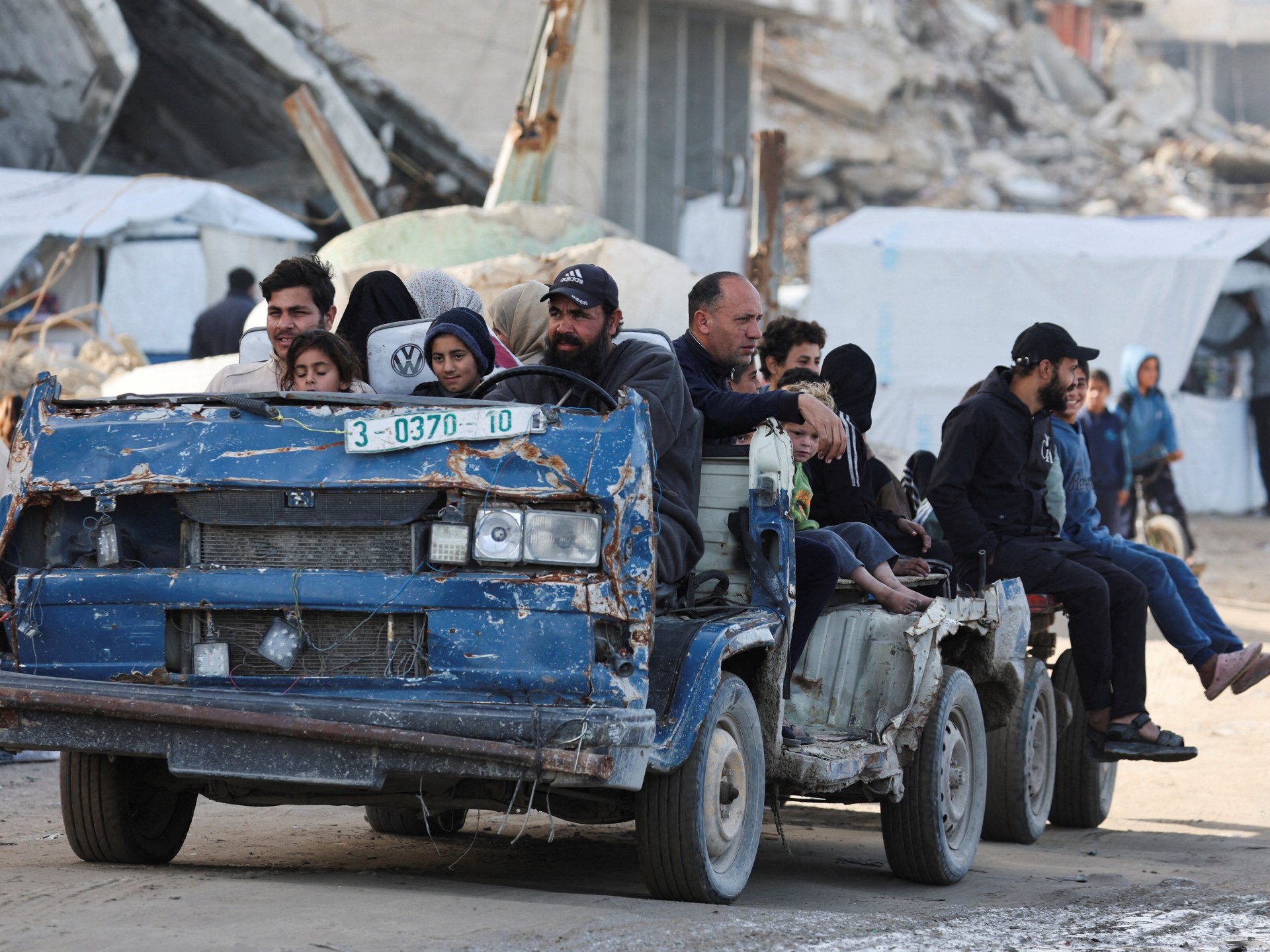
Gaza City Infrastructure Damaged in Israeli Conflict
The total losses of transport infrastructure in Gaza are estimated at $2.5 billion, resulting in widespread damage to the road network and disruption to basic services. According to a joint report by the World Bank, the European Union, and the United Nations, approximately 81 percent of Gaza’s road network has been damaged or destroyed.
The war has severely impacted the transport infrastructure, with many areas becoming isolated due to blocked streets and rubble. The damage has made motorized transport difficult, and in some places, impossible. As a result, residents have had to adapt to new forms of transportation, such as bicycles.
Many residents, including university professor Hassan El-Nabih, have been forced to use bicycles as their primary means of transport due to the lack of functional cars and motorcycles. El-Nabih’s car was severely damaged in an Israeli air strike, leaving him without a reliable mode of transportation.
The high cost of fuel has also made owning a vehicle a distant dream for many residents. Abu Mohammed Jundieh, who used to work as a driver, said that prices are high and fuel is expensive, making it difficult for drivers to accept payment.
The few Palestinians allowed to leave Gaza through the Rafah border crossing often have to walk due to the destruction of streets and the threat of Israeli attack. The bicycle has become an essential commodity in Gaza City, with many residents relying on them as their primary means of transport.
A small bicycle repair shop, run by Abu Luay Haniyeh, is struggling to meet demand for repairs, as new bicycles are no longer available due to high prices. The shop’s owner said that people come every day asking for bicycles, but there is nothing available.
In response to the crisis, some residents have turned to hand-pulled carts or limited motorcycle use where fuel is available. Bicycles have also been used in delivery services, such as Hamama Delivery, which has set up a bicycle fleet to meet demand.
Source: Al Jazeera