Israels Ongoing Attacks in Lebanon Put Country at High Risk
March 28, 2026 • Al Jazeera
Here is a rewritten version of the article in a neutral newsroom style:
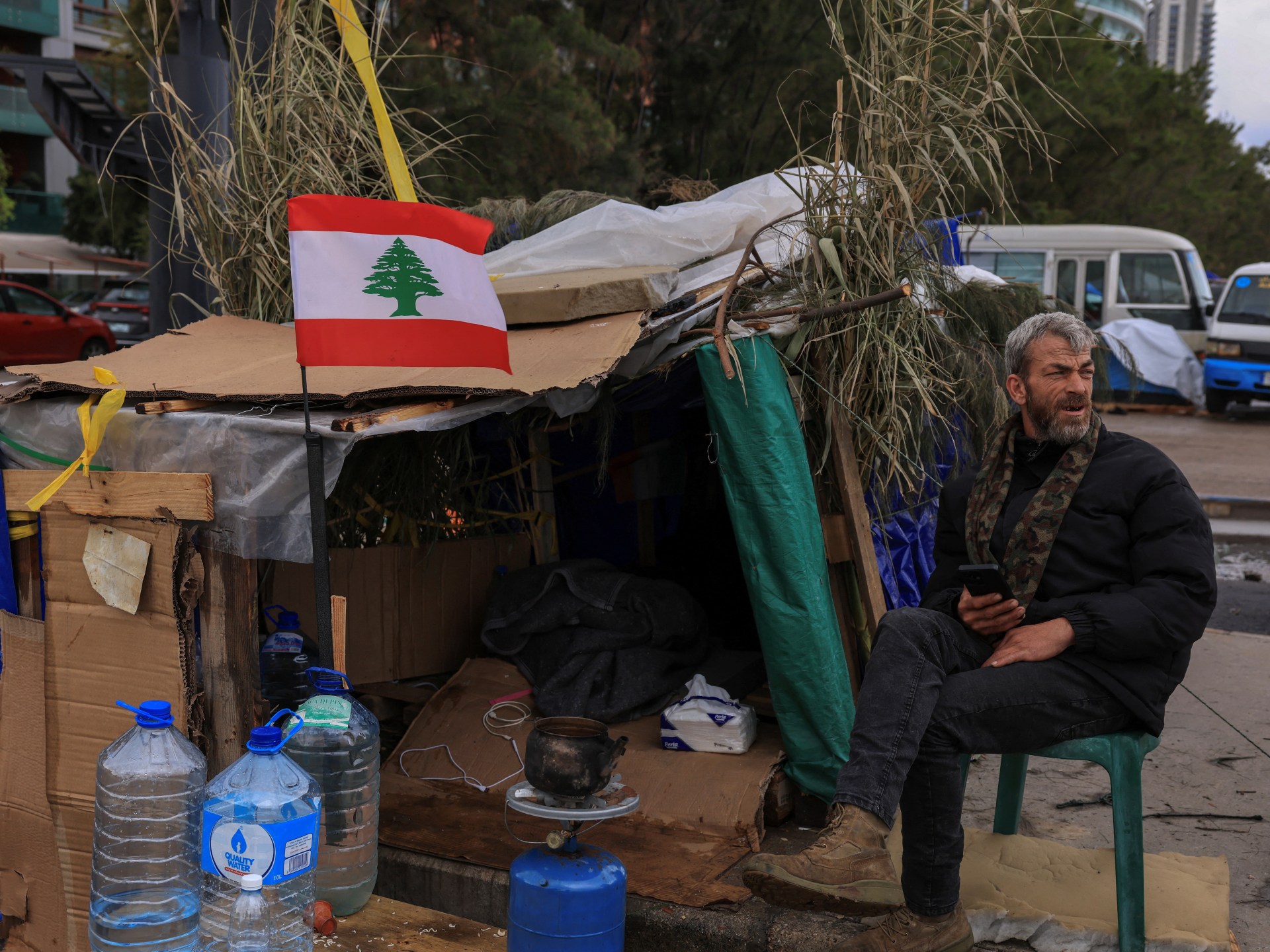
Four weeks into the conflict between the US and Israel and Iran, millions of civilians in Lebanon are facing significant challenges. The Israeli military has launched a second large-scale attack on Lebanon in less than two years, displacing approximately 250,000 people from their homes.
The displaced individuals are largely concentrated in the country’s south and Beirut’s southern suburbs, known as Dahiyeh. Many of those who have not been displaced are still feeling the effects of the conflict, including rising petrol prices, decreased business activity, and ongoing deadly attacks.
According to Samiha, a Palestinian teacher who recently relocated from Tyre to Beirut, the situation is “not good at all.” However, she notes that her family has gained experience in navigating similar situations in the past. Despite this, she expresses uncertainty about the duration of the conflict and its potential resolution.
The conflict escalated on March 2, following Hezbollah’s response to Israeli attacks for the first time in over a year. The attack was reportedly retaliation for Iranian Supreme Leader Ayatollah Ali Khamenei’s assassination two days earlier. A ceasefire between Israel and Hezbollah had been in effect since November 27, despite numerous reported ceasefire violations.
The Israeli military has issued forced evacuation orders for areas of southern Lebanon, Beirut’s southern suburbs, and several villages in the eastern Bekaa Valley, resulting in a massive displacement crisis. The Lebanese government estimates that at least 1.2 million people have been displaced.
Israel has stated its intention to occupy southern Lebanon and establish a security zone, while also destroying more villages along the border. Aid workers and volunteers are reporting significant humanitarian challenges, including access issues for vulnerable populations such as migrant workers, cancer patients, and those with chronic diseases.
According to UNFPA representative Anandita Philipose, the current crisis is severe but distinct from previous ones. “The scale and speed of displacement are new,” she said. “Civilian infrastructure was targeted, and women’s healthcare networks have been severely impacted.”
Source: Al Jazeera