Malis democratic transition faces increasing instability and challenges
April 27, 2026 • Al Jazeera
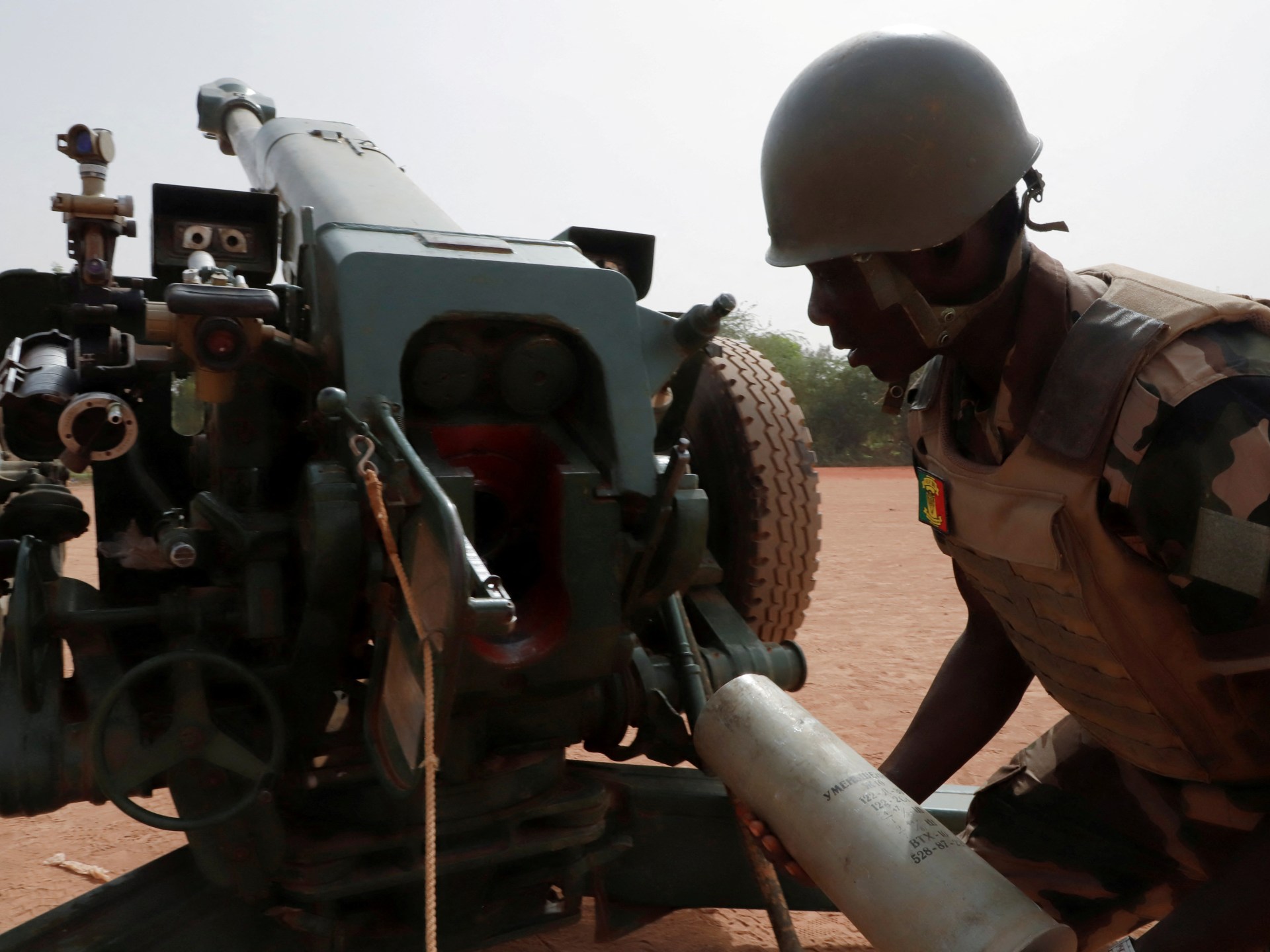
Mali Experiences Worsening Security Crisis
A series of coordinated attacks across Mali has claimed responsibility from Al-Qaeda-linked Jama’at Nusrat al-Islam wal-Muslimin (JNIM). The attacks, which began on Saturday, targeted locations in Kati near Bamako, the capital’s airport, and other areas farther north, including Kidal, Mopti, Sevare, and Gao. Defence Minister Sadio Camara was killed in the assaults.
The attacks have exposed security vulnerabilities in the country, which has been experiencing political and security crises since 2012. A timeline of events leading to the current situation is as follows:
Mali gained independence on September 22, 1960, with Modibo Keita elected as its first president. Keita’s rule was marked by socialist policies and nationalization, but these efforts failed to yield economic benefits. The country experienced severe droughts, leading to poor harvests under his leadership.
In November 1968, Keita was overthrown in a military coup led by Lieutenant Moussa Traore. Traore established himself as president for the next 23 years, with reports indicating that he established a highly repressive regime and was responsible for the killing of thousands of Malians. Corruption was also prevalent during his rule.
In March 1991, Lieutenant Colonel Amadou Toumani Toure led a coup to overthrow Traore. After his ouster, Traore was tried and convicted for the killing of at least 200 protesters in March 1991. He was later pardoned by President Alpha Oumar Konare in 2002.
Toure served as interim head of state during a transition that led to a new constitution and multiparty elections in 1992. Alpha Oumar Konare was elected president, serving two terms from 1992 to 2002. During this time, there was steady economic growth and citizens enjoyed civil liberties and political rights.
In March 2012, Captain Amadou Haya Sanogo led a coup weeks before elections, forcing Toure to resign. The instability in the north led to an alliance between ethnic Tuareg separatists and fighters from an al-Qaeda offshoot, which launched a rebellion that took control of northern Mali. French military intervention was requested by leaders from neighbouring African countries, but Sanogo refused foreign forces and asked for logistical support only.
Fighters from another armed group, Ansar Dine, swiftly pushed out the Tuareg rebels and seized key northern cities. This triggered further instability in the region, with the current security crisis worsening since 2012.
Source: Al Jazeera