Men Left to Starve in South African Gold Mine Due to Strict Rules
March 14, 2026 • Al Jazeera
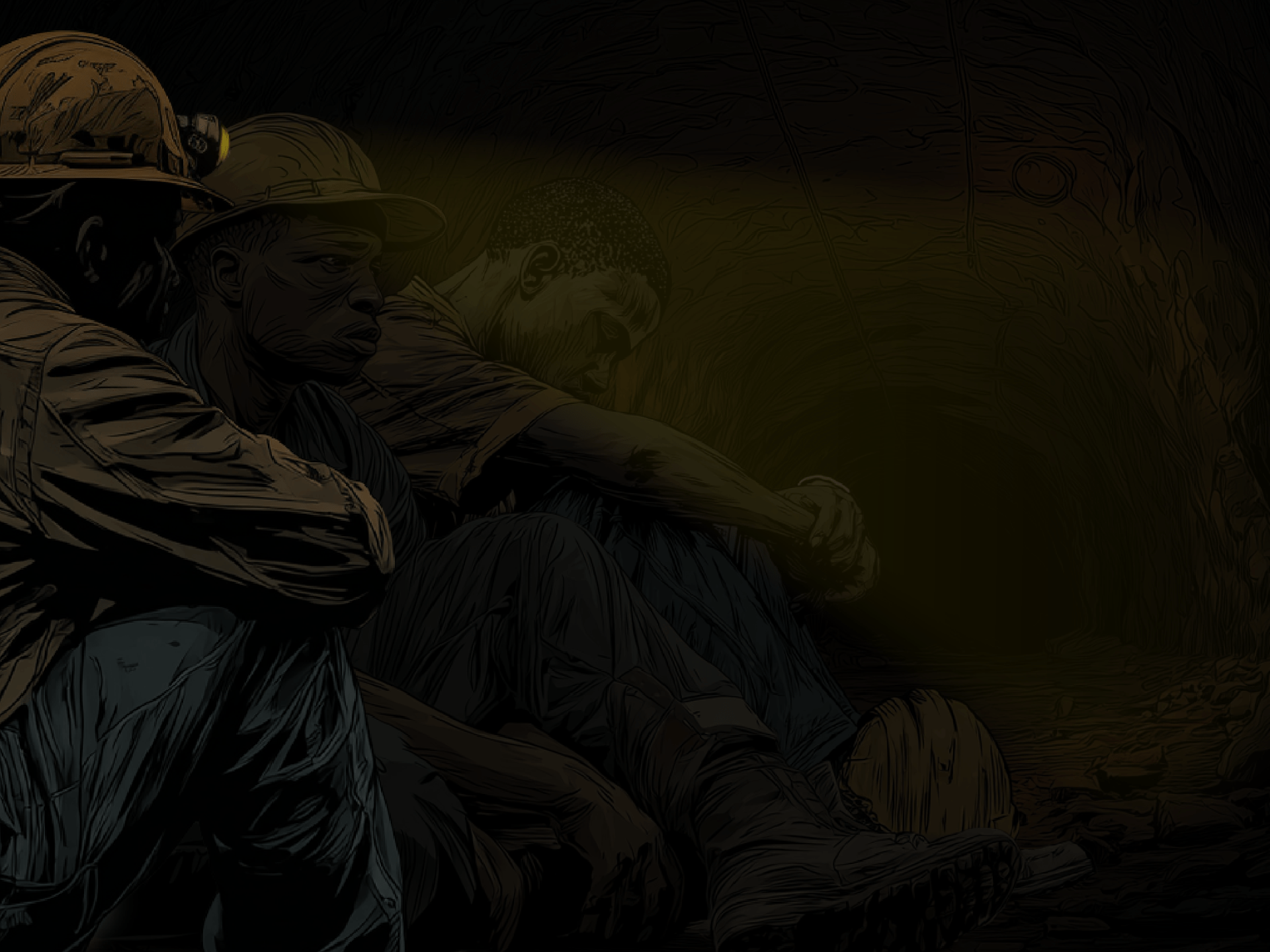
South African Gold Mine Experiences Power Outage, Leaving Miners Without Supplies
Ayanda Ndabeni, a 36-year-old miner, descended into Shaft 10 of the Buffelsfontein mine in late September 2024. He was accompanied by nearly 20 men operating ropes and a pulley above ground. The team had received food, water, batteries, and other essential items via the rope pulley system. However, on this particular day, the pulley stopped moving, and the shouting that usually indicated the arrival of supplies fell silent.
As the miners waited for help, huge rocks came crashing down the shaft, prompting them to whisper about their growing fears that something was amiss on the surface. Patrick Ntsokolo, who had arrived in late July, reported similar experiences with sporadic deliveries and dwindling supplies. In mid-August, he witnessed large rocks hurtling down the shaft, which he believed were pushed by an excavator.
The Buffelsfontein gold mine is part of a larger mining complex that covers a vast area around Stilfontein, a town founded in 1949. The mine’s history dates back to the late 19th century, when it was one of the largest gold-producing mines in South Africa. By 1970, the country was producing 70 percent of the world’s gold from some of the deepest mines on the planet.
However, by the 2000s, gold production had declined sharply across the country as mines were worked out and gold seams became too deep to mine economically. The closures led to thousands of job losses, leaving many families without income. Today, the abandoned mines remain a significant challenge for the local community.
In recent years, concerns have been raised about the safety and maintenance of South Africa’s aging mining infrastructure. The incident at Shaft 10 highlights the need for improved communication and emergency response systems in place to ensure the well-being of miners working in deep underground conditions.
Source: Al Jazeera