Middle East conflicts may strain global energy supplies and prices
March 25, 2026 • Al Jazeera
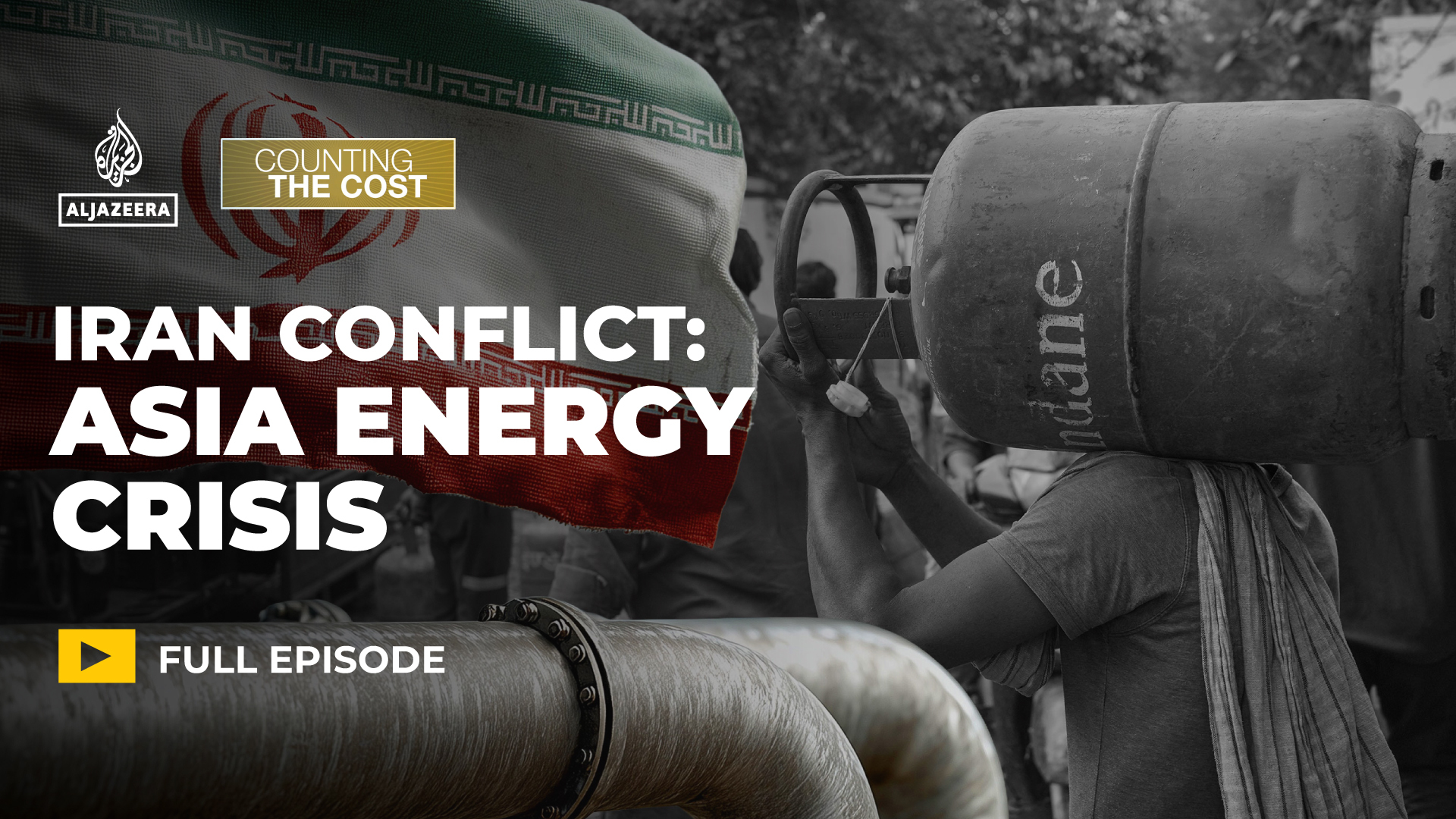
Reports of attacks on energy facilities in the Middle East have been confirmed, with Qatar’s liquefied natural gas (LNG) facility among those targeted. Iran has launched retaliatory strikes against Gulf-based energy infrastructure, following an earlier Israeli strike on an Iranian gasfield.
The conflict has escalated, with energy production now coming under attack. The world’s largest LNG hub in Qatar has been hit, while other facilities across the region have also been targeted. This development is expected to lead to increased energy prices globally.
Countries in Asia and Europe are seeking alternative supplies as a result of the disruptions. For Asia, which is the world’s largest LNG buyer, this is a significant energy shock. The region relies heavily on Gulf-based supplies to meet its energy needs, including powering industries, meeting consumer demand, and maintaining food security.
The attacks have raised concerns about the stability of global energy markets. As a result, countries are scrambling to diversify their energy sources and reduce their dependence on the Middle East. The impact of these disruptions is likely to be felt across various sectors, from manufacturing to transportation.
Source: Al Jazeera