NATO alliance faces growing tensions and uncertainty over its future direction
April 25, 2026 • Al Jazeera
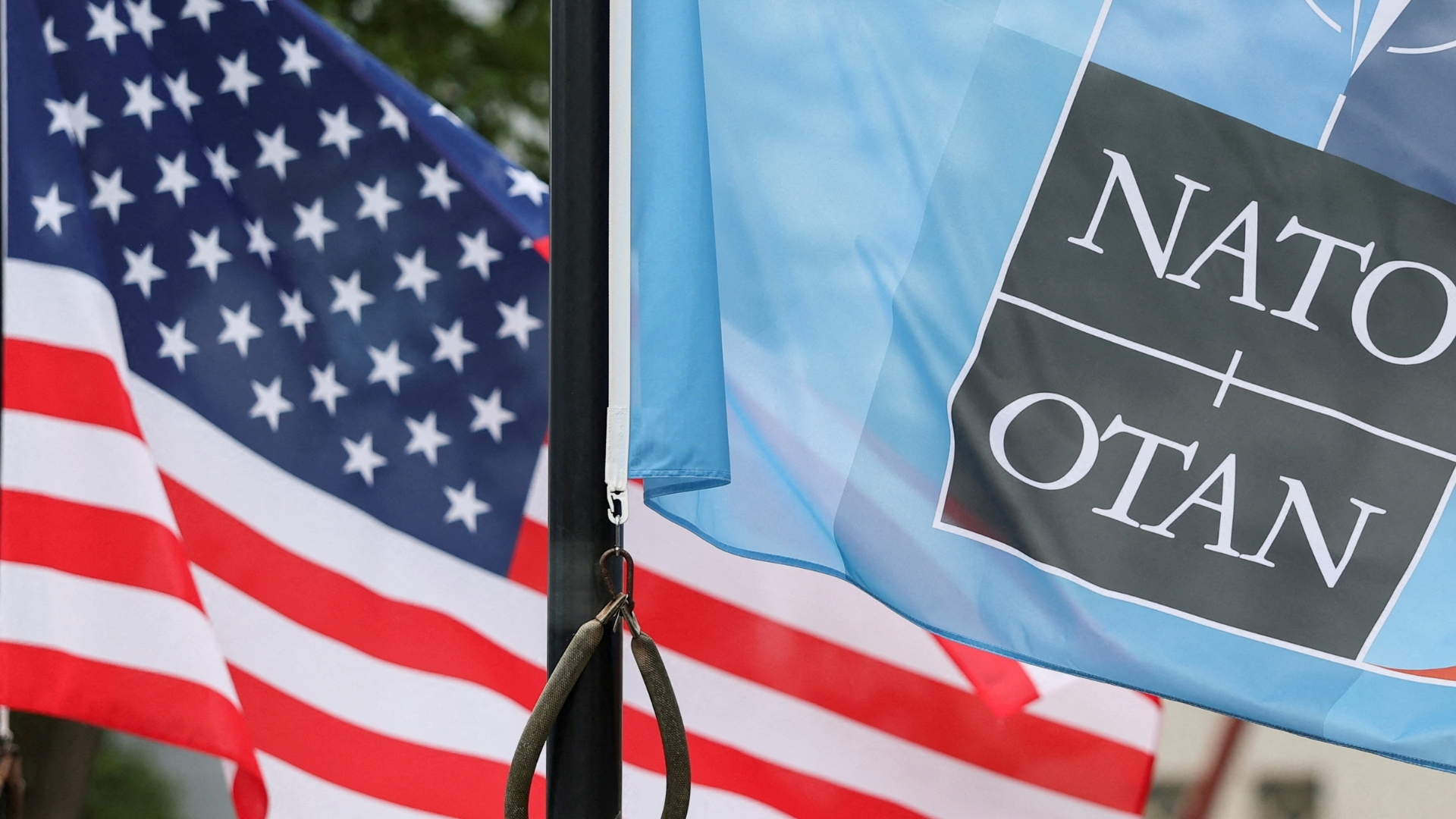
US President Donald Trump Expresses Disappointment Over European Refusal to Join Iran Conflict
A rift is emerging within NATO as US President Donald Trump has expressed disappointment over the refusal of European member states to join the proposed military alliance against Iran. The decision has sparked concerns about the future of the military alliance.
According to reports, Trump is considering measures against the United Kingdom and Spain, which have declined to participate in the conflict. This development has raised questions about the unity and cohesion within NATO.
Experts are weighing in on the implications of this rift. Carne Ross, a former British diplomat and founder of Independent Diplomat, notes that the situation highlights the challenges of maintaining transatlantic cooperation. Eli Bremer, a retired major in the US Air Force and Republican strategist, emphasizes the importance of unity among NATO member states.
Pablo Calderon Martinez, head of politics and international relations at Northeastern University London, suggests that the rift may be a symptom of deeper divisions within Europe. The situation is being closely watched by scholars and policymakers, who are seeking to understand the implications for global security and the future of NATO.
As the situation continues to unfold, it remains to be seen how this rift will impact the military alliance and its ability to respond to emerging threats.
Source: Al Jazeera