Nepals Generation Z Abandons Traditional Parties Ahead of Key Election
March 3, 2026 • Al Jazeera
Here is a rewritten version of the article in a neutral newsroom style:
Nepal’s Parliamentary Election Approaches Amid Contested Legitimacy
Kathmandu, Nepal - On March 5, Nepal will hold its parliamentary election, with established parties vying for power and legitimacy. Last year’s protests, sparked by a social media ban, highlighted widespread discontent among young Nepalis with the country’s stagnant economy and corruption.
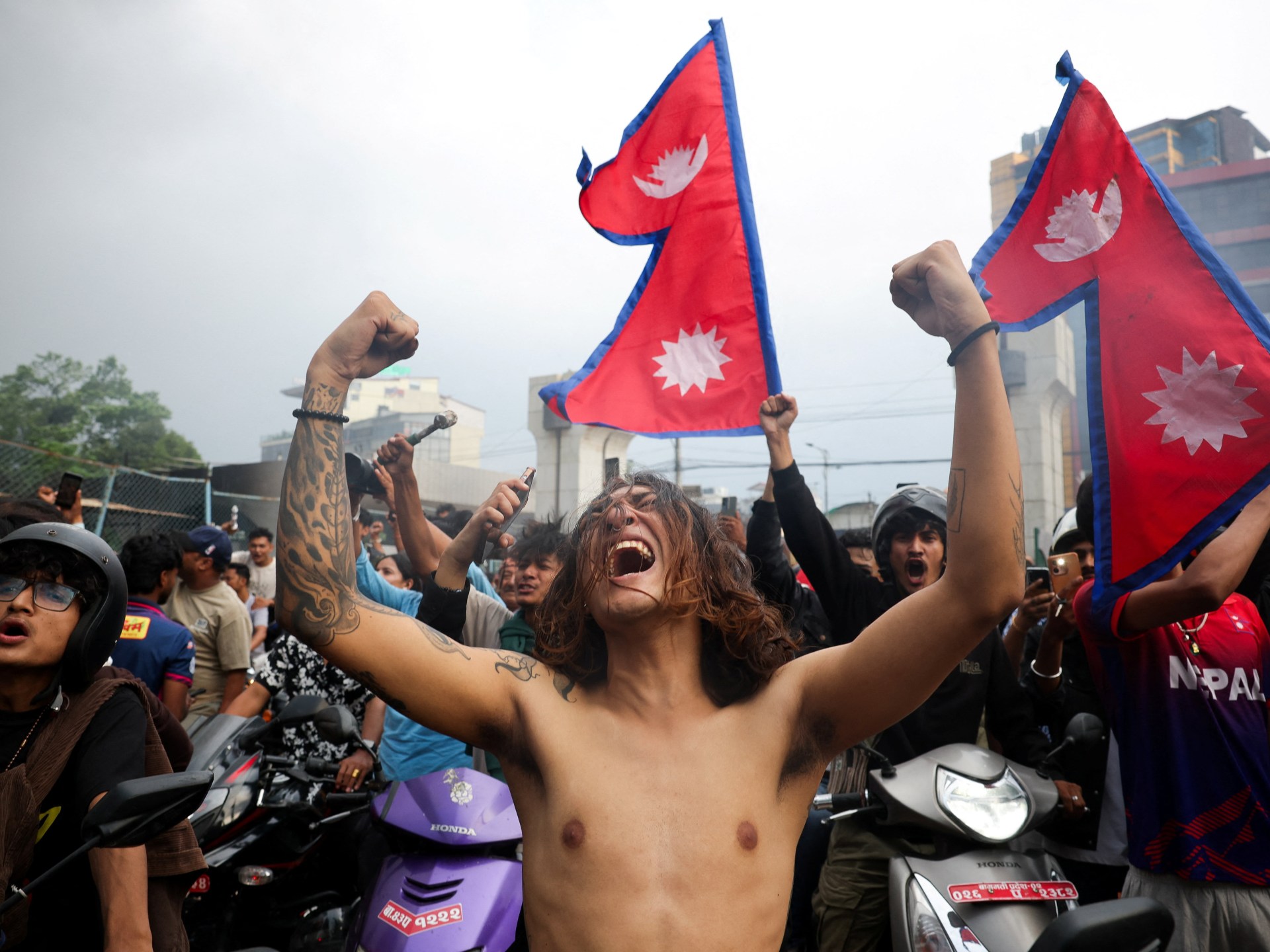
In September last year, thousands of protesters took to the streets, demanding an end to what they saw as an outdated political class dominated by the same parties that have ruled Nepal for two decades. The protests eventually led to the resignation of 74-year-old Prime Minister KP Sharma Oli and the formation of an interim government. At least 77 people lost their lives during the unrest.
The established parties, including Oli’s Communist Party of Nepal-Unified Marxist Leninist (CPN-UML), the Nepali Communist Party, and the centrist Nepali Congress party, have claimed to have learned from last year’s uprising and promised to tackle corruption. However, many young activists remain skeptical.
Rajesh Chand, a 27-year-old business student in Kathmandu, stated that he is no longer interested in party labels but rather in how to bring the country forward in the right direction. Rakshya Bam, one of the central figures of the protests, emphasized that the debate should not be framed as old versus new, and that any party endorsing reform should be judged on its actions.
The Nepali Congress (NC) was particularly shaken by last year’s uprising, with senior leader Minendra Rijal acknowledging that the party’s coalition with Oli’s government contributed to the crisis. However, Rijal insisted that the party has changed and is seeking a second chance.
For Oli’s CPN-UML, the March 5 election is as much about survival as it is about renewal. Prithivi Subba Gurung, a former communications minister under the Oli government, framed the contest as a battle to protect democracy, arguing that the party has incorporated younger leaders into its ranks.
The outcome of the election remains uncertain, with voters continuing to express skepticism towards the established parties.
Source: Al Jazeera