Options for ending Iran conflict explored by international leaders
March 25, 2026 • Al Jazeera
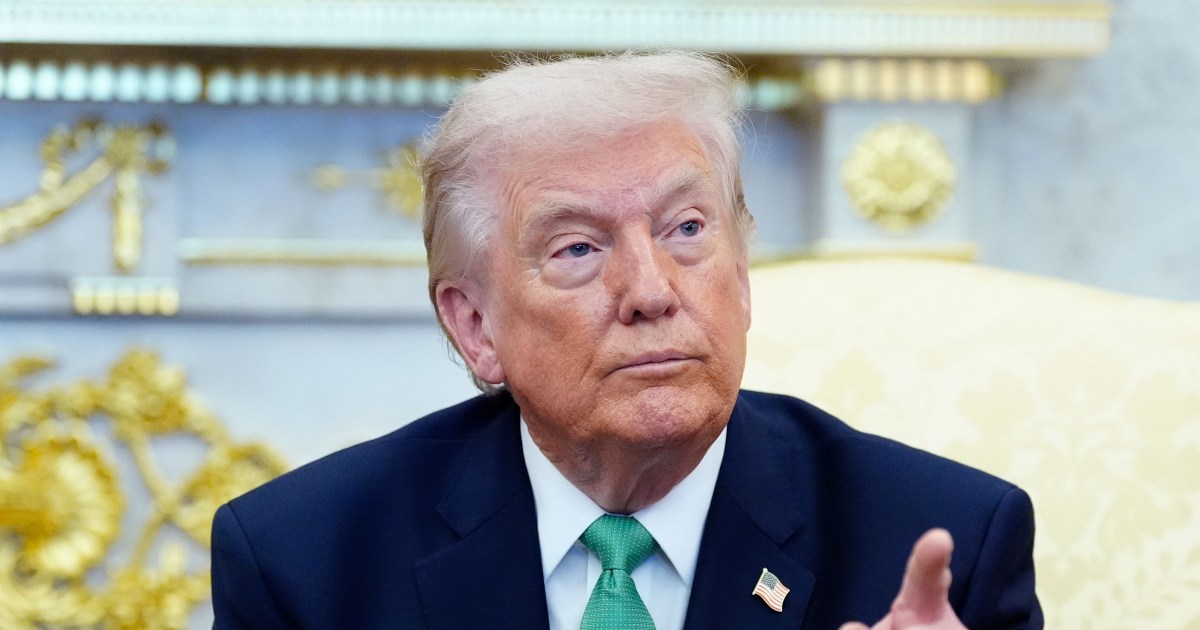
US and Iranian Leaders Reach “Major Points of Agreement”
On March 23, President Donald Trump announced that the United States and Iran had reached significant points of agreement. Shortly after, he claimed that Tehran had delivered a concession related to oil, gas, and the Strait of Hormuz. The decision to postpone strikes on Iranian energy infrastructure also generated diplomatic optimism.
Global markets responded positively to the perceived sign of de-escalation. However, experts note that this optimism may be premature, as the current conflict is characterized by a mutually hurting stalemate, which creates conditions for negotiation, but lacks a viable bargaining architecture.
According to William Zartman’s concept, conflict termination becomes possible when both parties perceive that continued fighting imposes costs that cannot be offset by anticipated military gains. Empirical indicators of this condition are becoming visible on both sides. Iran’s ballistic missile inventories have been significantly depleted, and its naval capabilities have been degraded. On the other hand, the closure of the Strait of Hormuz has generated an energy shock, with direct inflationary consequences for the US domestic economy.
Despite these pressures, experts caution that functional war termination requires trust between both sides. The commitment problem, or the inability to make credible post-agreement commitments in the absence of an enforcement authority, is a significant barrier to durable peace. Iran’s rejection of a ceasefire-first framework reflects this reality. Iranian Foreign Minister Abbas Araghchi stated that Tehran does not seek a ceasefire because it does not wish to see “last year’s scenario repeat,” demanding instead a permanent end to hostilities accompanied by enforceable guarantees against future aggression.
The structural incentive for Iran is to maintain pressure until guarantees are secured in advance rather than promised for the future. Trump’s 15-point plan, conveyed through Pakistani intermediaries, demands the dismantlement of Iran’s nuclear program.
Source: Al Jazeera