Pakistan imposes austerity measures amid rising tensions with Iran
March 10, 2026 • Al Jazeera
Pakistan Announces Emergency Measures Amid Middle East Conflict Disruptions
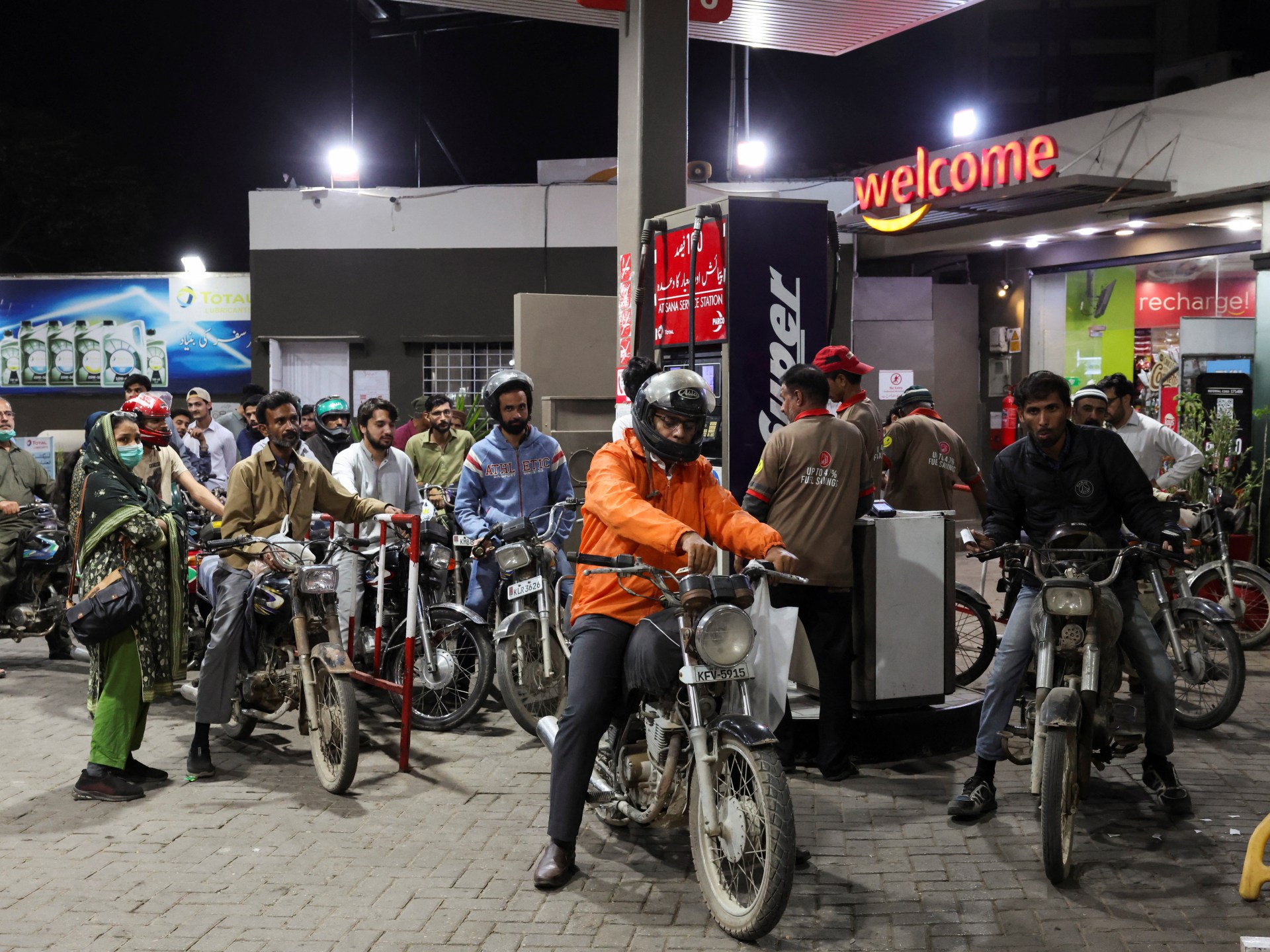
In response to disruptions in oil and gas supplies caused by the United States-Israel war on Iran and an escalating Middle East conflict, Pakistani Prime Minister Shehbaz Sharif has announced a series of emergency austerity and fuel conservation measures. The measures aim to mitigate the impact of the disruptions on Pakistan’s economy.
The government has ordered a four-day workweek for all government employees, with 50% of staff working from home on a rotating basis. Schools will be closed for two weeks starting Monday, while scheduled examinations will proceed as planned. Universities and higher education institutions have been directed to shift to online classes to conserve fuel.
Additionally, the federal and provincial cabinet members will forego their salaries and allowances for the next two months, while lawmakers’ salaries will see a 25% cut during this period. Travel restrictions have also been imposed, with ministers, parliamentarians, and officials allowed to make foreign trips only for essential purposes in economy class.
The government has also implemented measures to reduce fuel consumption, including limiting social gatherings and restricting weddings and parties to 200 guests. Fuel allowances for government offices have been reduced, and all in-person meetings across federal and provincial governments are now banned.
Energy analyst Amer Zafar Durrani has expressed concerns that the government’s austerity measures may not be effective in addressing the root cause of fuel demand. He notes that transport dominates petroleum consumption, accounting for approximately 80% of petroleum products used in the country. Durrani suggests that improving freight logistics by shifting more cargo from roads to rail could have a better impact on reducing national fuel use.
The government’s measures also come as Pakistan faces significant challenges related to its reliance on imported oil, with imports accounting for over 80% of its needs. The recent energy crisis has triggered the largest fuel price increase in the country’s history, with petrol and diesel prices rising by 20% since last week.
Source: Al Jazeera