Population growth rate hits record low in recent years nationwide
June 3, 2026 • Al Jazeera
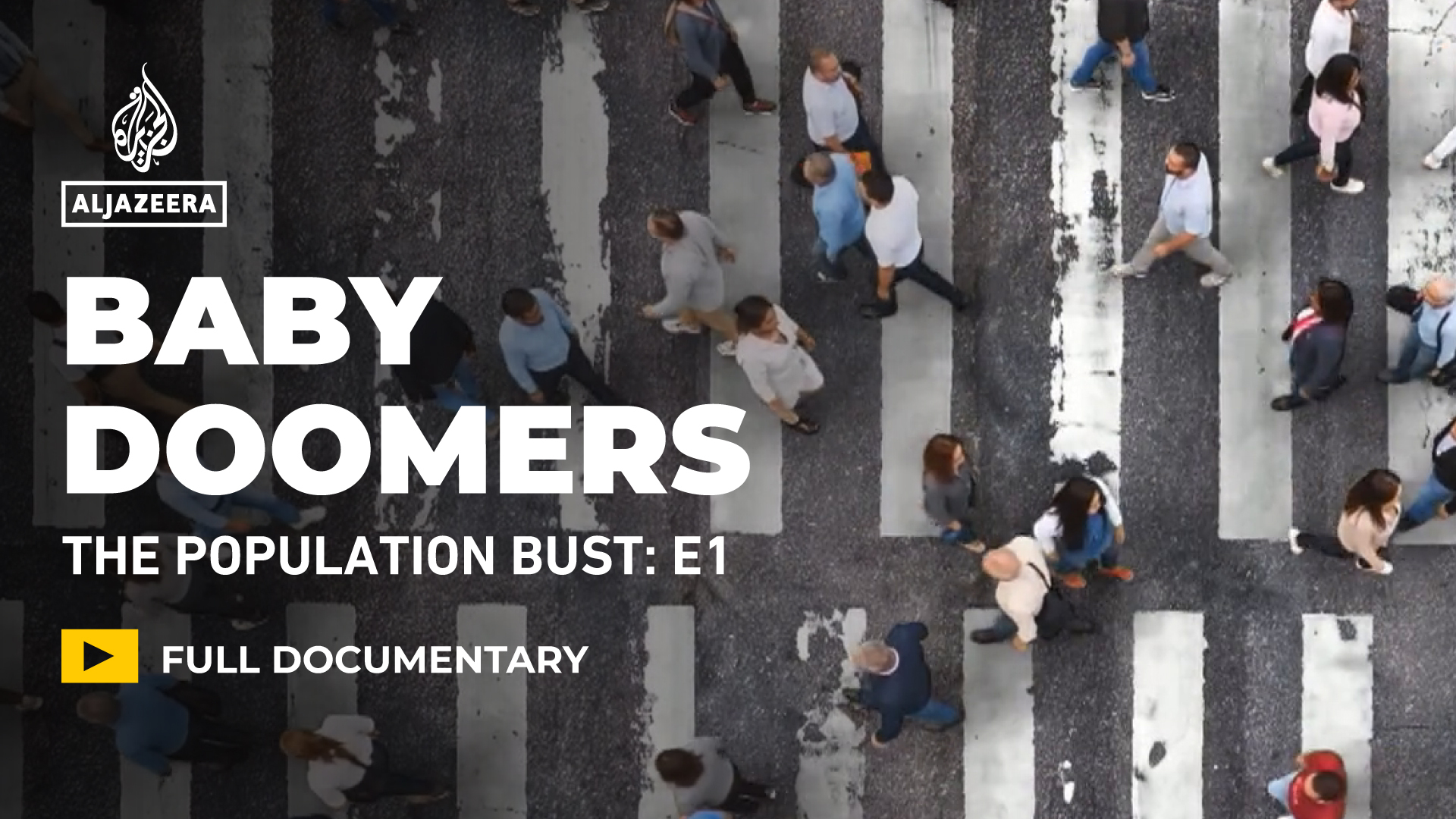
Global Population Trends Show Decline in Birth Rates and Aging Societies
Over the past century, the world has experienced unprecedented economic growth, increased global health, and reduced conflict-related mortality. This period of prosperity has coincided with a significant increase in population, from approximately 2 billion people in the 1920s to 8 billion today. However, recent data suggests that this trend is reversing.
Demographers have observed a decline in birth rates and an aging of populations worldwide. This shift has been accompanied by concerns about the impact on the environment, including global warming, plastic pollution, and biodiversity loss. The relationship between population growth and environmental degradation is well-documented.
Researchers are now examining the effects of declining fertility rates and aging societies on human populations and the planet. They aim to understand the underlying causes of these trends and their potential consequences for the future. Data suggests that the world’s population may reach a peak around 8.5-9 billion people by mid-century, followed by a decline.
To better comprehend this phenomenon, experts are exploring various factors contributing to declining birth rates, including fertility rates, mortality rates, and cultural shifts. The findings of these studies will provide valuable insights into the complex relationships between population trends, environmental degradation, and human well-being.
Source: Al Jazeera