Protests in Iran: Understanding key issues and concerns surrounding the demonstrations
January 2, 2026 • Al Jazeera
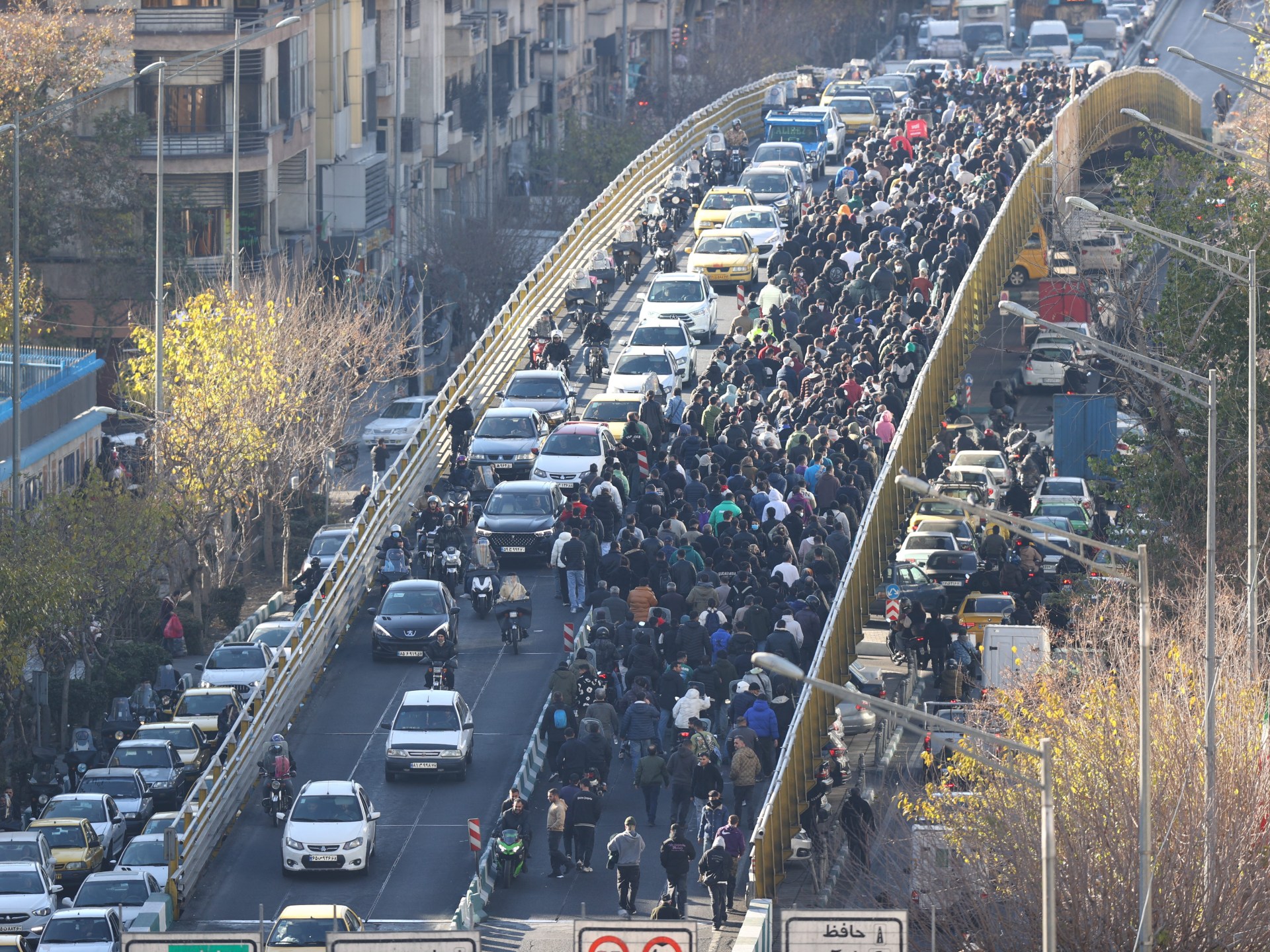
Protests in Iran Enter Sixth Day Amid Economic Crisis
Protests have continued for six days in Iran, with demonstrators taking to the streets to express their grievances over the country’s economic crisis. The protests began on Sunday when shopkeepers in Tehran’s Grand Bazaar shut down their businesses due to high prices and low wages.
The Iranian rial has plummeted to a record low against the US dollar, with a 56% drop in value in just six months. This has led to inflation, with food prices increasing by an average of 72% compared to last year. The government has promised economic reforms and efforts to tackle corruption, but so far, the protests have continued.
At least seven people have been killed and 44 arrested since the protests began. Security forces have responded forcefully in some places, including Lordegan, where three people died in confrontations with protesters. However, the government appears ready to listen to the “legitimate demands” of protesters.
Iran is one of the most sanctioned countries in the world, making it difficult for the country to access international financial markets and frozen foreign assets. The country’s increasing reliance on imports has exacerbated the situation and fueled inflation. Thousands of people have mobilized across the country, with protests spreading to 17 provinces.
The government has taken steps to address protesters’ concerns, including appointing a new governor of the central bank and removing campus security managers from several major universities. President Masoud Pezeshkian emphasized his government’s commitment to economic reforms and addressing corruption during a ceremony in Tehran on Thursday.
The protests have evolved into a broader movement, with students and demonstrators from across Iranian society joining the demonstrations. The significance of the current round of protests is unclear, but it appears that protesters are seeking change and greater economic stability.
Source: Al Jazeera