Russia Vows to Adhere to Expiring Nuclear Treaty Limits
February 11, 2026 • Al Jazeera
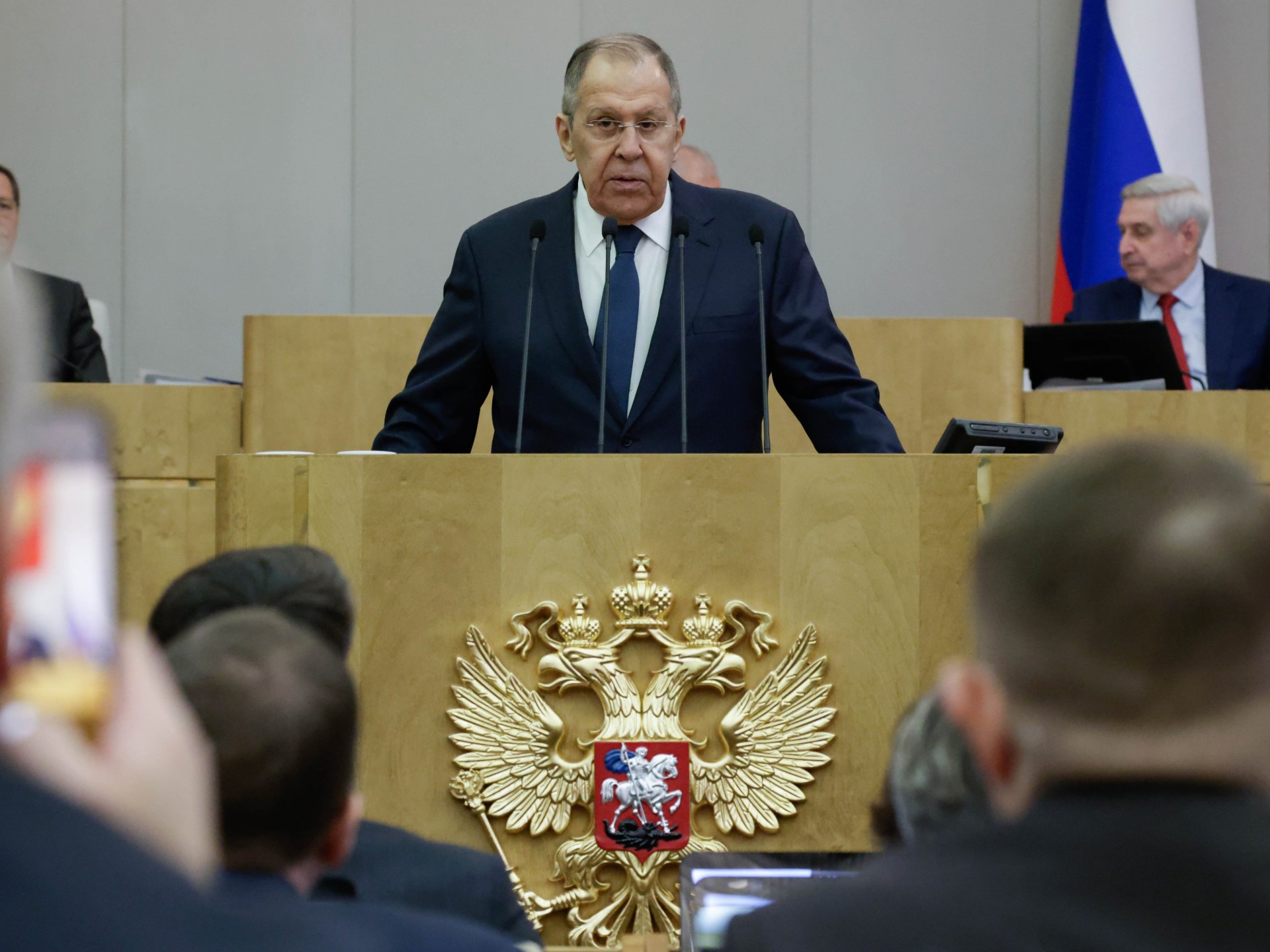
Russian Foreign Minister Sergey Lavrov stated that Russia will abide by the limits on its nuclear weapons as set out in the New START treaty, provided the United States does the same. The treaty expired earlier this month, leaving the world’s two largest nuclear-armed powers without binding constraints on their strategic arsenals for the first time in over half a century.
In an address to parliament, Lavrov clarified that Russia is not in a rush to develop and deploy more weapons, contrary to previous statements made by his ministry. He stated that Moscow will proceed under the assumption that the moratorium announced by President Vladimir Putin remains in effect, but only if the United States does not exceed its outlined limits.
US President Donald Trump rejected an offer from Putin to voluntarily abide by the limits set out in New START for another year, opting instead for a new and improved treaty. Russia has also expressed interest in striking a new arms control agreement. The US is pushing for China to be included in the talks, citing its growing nuclear arsenal.
According to the Stockholm International Peace Research Institute (SIPRI), China’s nuclear arsenal is expanding at a rate of approximately 100 new warheads per year since 2023. However, Beijing has refused to participate in bilateral arms-reduction talks, citing its significantly smaller warhead numbers compared to Russia and the US.
Moscow has stated that if China is brought into a new deal, so too should the nuclear allies of the US, including the UK and France. New START, signed in 2010, limited each side’s nuclear arsenal to 1,550 deployed strategic warheads, representing a reduction of nearly 30 percent from the previous limit set in 2002.
The treaty also allowed for on-site inspections of each other’s nuclear arsenals, although these were suspended during the COVID-19 pandemic and have not resumed since. In 2023, Russia rejected inspections of its nuclear sites under the treaty due to rising tensions with the US over Ukraine.
Source: Al Jazeera