Serbias President Aleksandar Vucic shares his perspective on global issues
February 28, 2026 • Al Jazeera
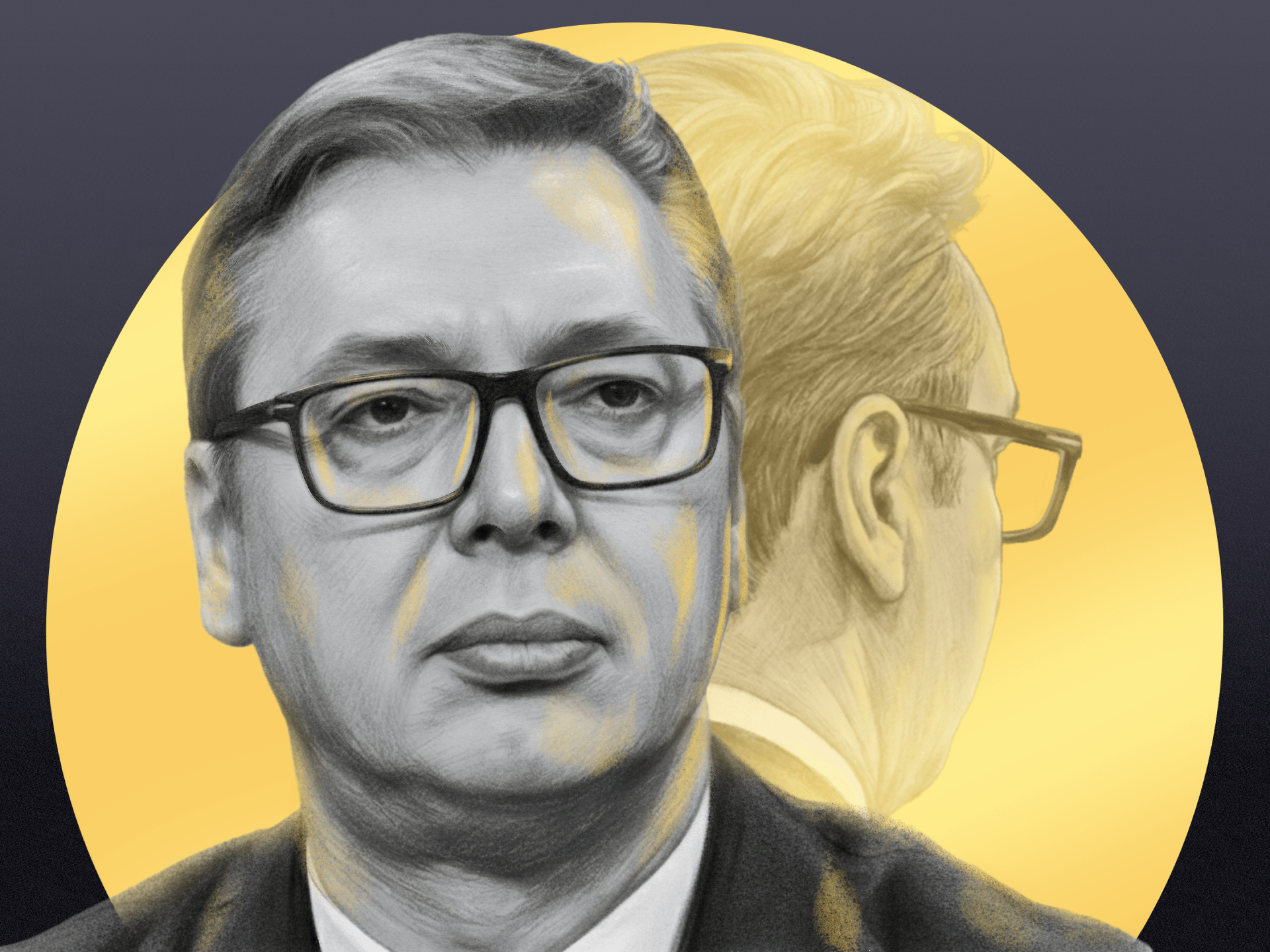
Serbia’s Prime Minister Aleksandar Vucic has maintained power for over a decade through his leadership of the country. In 1990, Vucic was a young law student who witnessed violent clashes between rival football fans at a match in Zagreb, Croatia. The incident occurred during a game between Red Star Belgrade and Dinamo Zagreb, with tensions escalating into fights and property damage.
Vucic’s family had fled their home village in Bosnia due to the Ustase, Croatian fascists who collaborated with the Nazis during World War II. His grandfather was murdered by collaborators in 1941 after serving rakija to passersby outside his shop as a show of solidarity with anti-German demonstrations.
In recent years, Vucic has been involved in various political movements, including a far-right group that advocated for a “Greater Serbia”. He later founded a centrist party and has since become president. During his presidency, he has led negotiations for Serbia to join the European Union and strengthened ties with China and Russia.
However, allegations of criminality have plagued Vucic’s presidency, including claims of graft and corruption. Anticorruption protests continue into their second year, with demonstrators demanding greater transparency and accountability.
Vucic was born in 1970 in Belgrade and has maintained a strong grip on power despite the ongoing protests. His family’s history and experiences have likely shaped his views on politics and international relations. Vucic’s leadership style and policies have been subject to scrutiny, with some critics accusing him of undermining democratic freedoms.
In recent years, Vucic has made efforts to distance himself from his far-right past, but the legacy of Yugoslavia’s violent breakup continues to be felt in Serbia today. As the country navigates its relationship with the European Union and other international partners, Vucic’s leadership will likely remain a topic of interest for many.
Source: Al Jazeera