UAEs Exit from OPEC Raises Questions About Global Oil Market Dynamics
April 28, 2026 • Al Jazeera
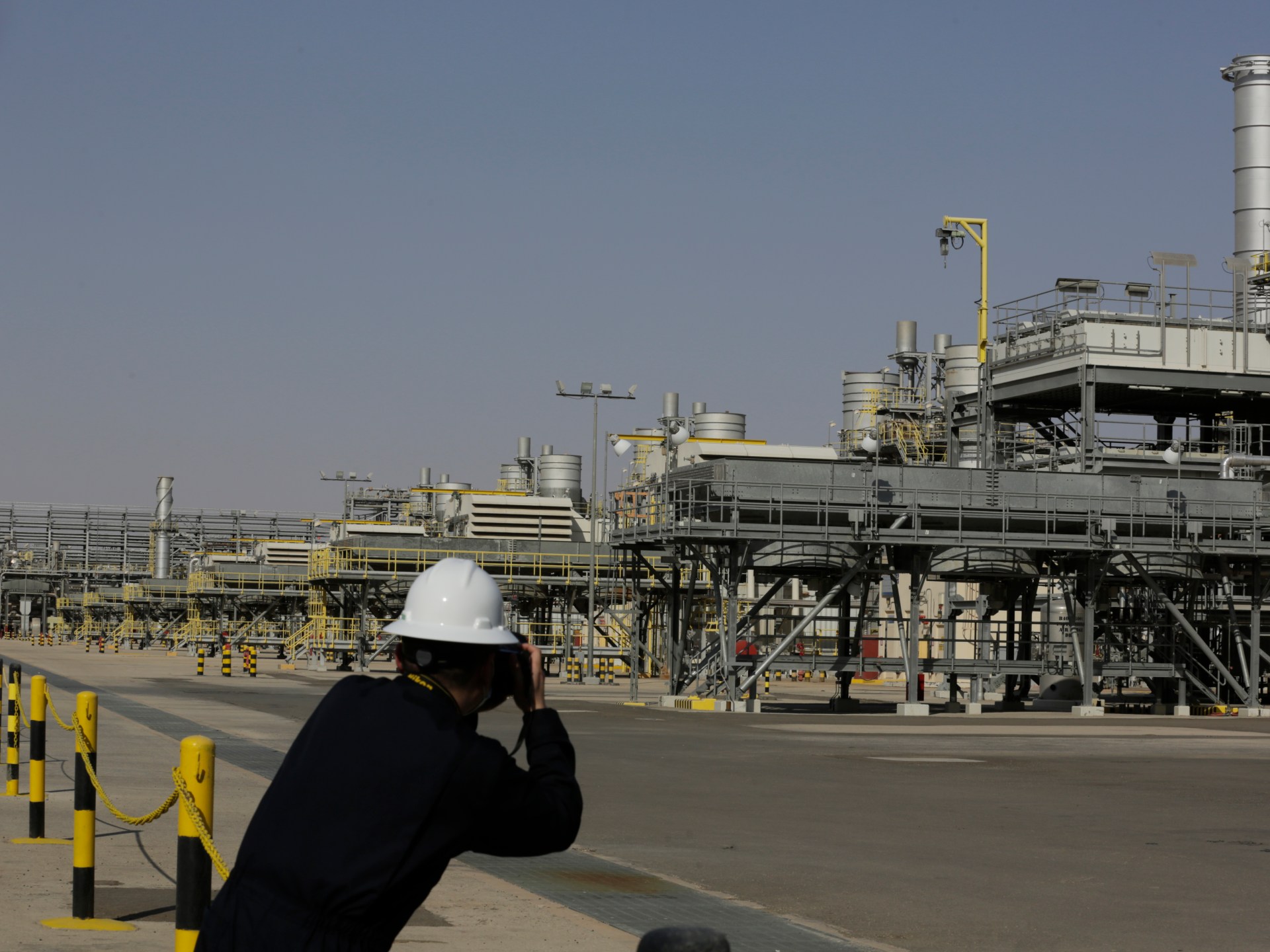
United Arab Emirates Announces Withdrawal from OPEC and OPEC+ Framework
The United Arab Emirates has announced its decision to withdraw from the Organization of the Petroleum Exporting Countries (OPEC) and the wider OPEC+ framework, effective May 1. The move is expected to impact global oil markets as the UAE is one of the few OPEC members with significant spare capacity.
OPEC was established in 1960 by five founding states - Iran, Iraq, Kuwait, Saudi Arabia, and Venezuela - with the goal of coordinating and unifying petroleum policies among member states. The organization currently has 12 members, including Algeria, Republic of the Congo, Equatorial Guinea, Gabon, Iran, Iraq, Kuwait, Libya, Nigeria, Saudi Arabia, and Venezuela.
The UAE’s withdrawal from OPEC comes as the global energy landscape is experiencing a historic shock due to the US-Israel war on Iran. The organization’s role in setting agreed production quotas for its members has contributed to about 30 percent of global oil supply.
In recent years, several countries have withdrawn from OPEC due to disagreements over output quotas. Notably, Indonesia, Qatar, Ecuador, Angola, and Gabon have also left the organization. The UAE’s decision is attributed to its focus on “national interests” rather than cooperation with fellow OPEC members.
The Organization for Cooperation between OPEC Member Countries (OPEC+) was established in 2016 to bring together additional countries, including Russia, Azerbaijan, Kazakhstan, Bahrain, Brunei, Malaysia, Mexico, Oman, South Sudan, and Sudan. This framework has increased the organization’s output to about 41 percent of global supply.
The UAE’s assertive foreign policy approach has led to its isolation from fellow OPEC members, particularly Saudi Arabia. The country has strengthened ties with the United States and Israel, which it views as critical levers for regional influence and a unique channel to Washington.
Source: Al Jazeera