US and Iran to Establish Trade Relationship
June 25, 2026 • Al Jazeera
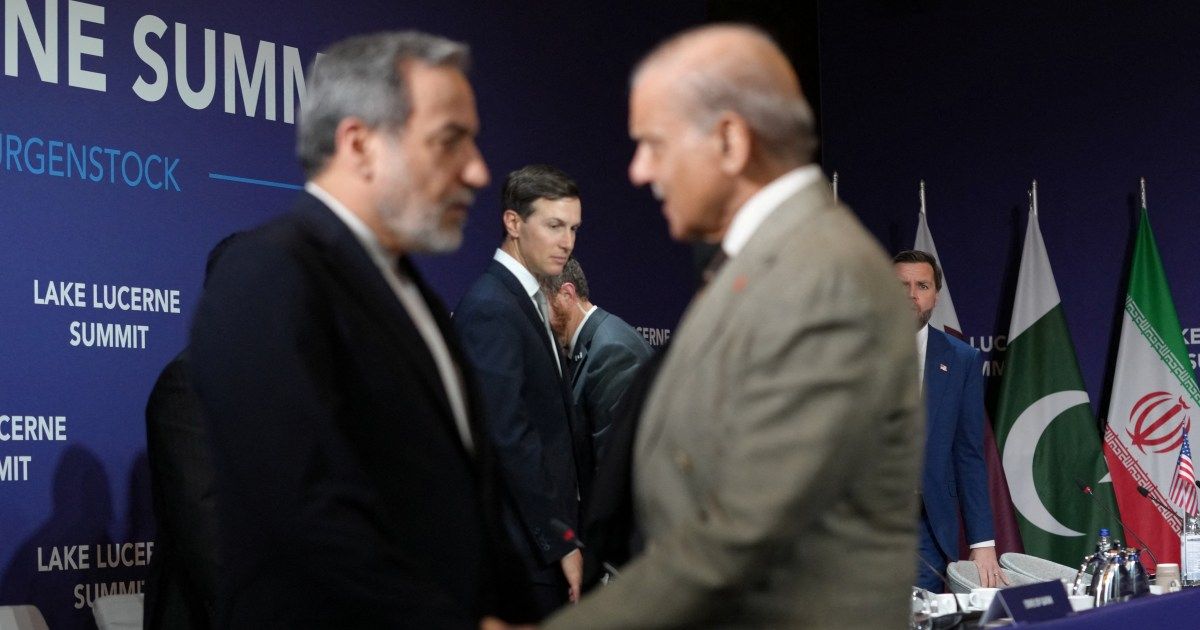
US Proposes Spending Plan for Unfrozen Iranian Assets
The United States has announced a spending plan for unfrozen Iranian assets, as negotiations continue to reach a final deal to end the war in the Middle East. The plan involves using the released funds to purchase US agricultural products, which will then be provided to Iran.
According to officials, this could translate into a $12 billion increase in bilateral trade between the US and Iran, primarily confined to humanitarian goods. However, details of the agreement remain unclear, with both sides appearing to have differing interpretations.
Iran’s top negotiator, Mohammed Bagher Ghalibaf, stated that an agreement had been reached to release $12bn in frozen Iranian funds. In contrast, US Vice President JD Vance said that if Iranian assets are unfrozen, they will be used by Iran to buy US agricultural products.
President Trump has also commented on the matter, stating that the released funds will be used to purchase food and medical supplies from US farmers. He added that this is a humanitarian effort to help those in need.
However, Iranian officials have rejected these claims, stating that the assets will be released and employed by Iran as it sees fit. They have also emphasized that any agricultural purchases would be based on prices and quality, rather than terms dictated by Washington.
Experts have expressed skepticism about the proposal, citing concerns over lengthy negotiations and potential credit risks for multinational companies. Gary Hufbauer, a non-resident senior fellow at the Peterson Institute for International Economics, noted that putting spending conditions on unfrozen Iranian assets could lead to further delays.
Meanwhile, Mohammad Reza Farzanegan, a professor and economist, suggested that President Trump’s proposal is motivated by a desire to improve his reputation in the eyes of his social support base.
Source: Al Jazeera