US and Israels military alliance may alter Middle East security dynamics
March 1, 2026 • Al Jazeera
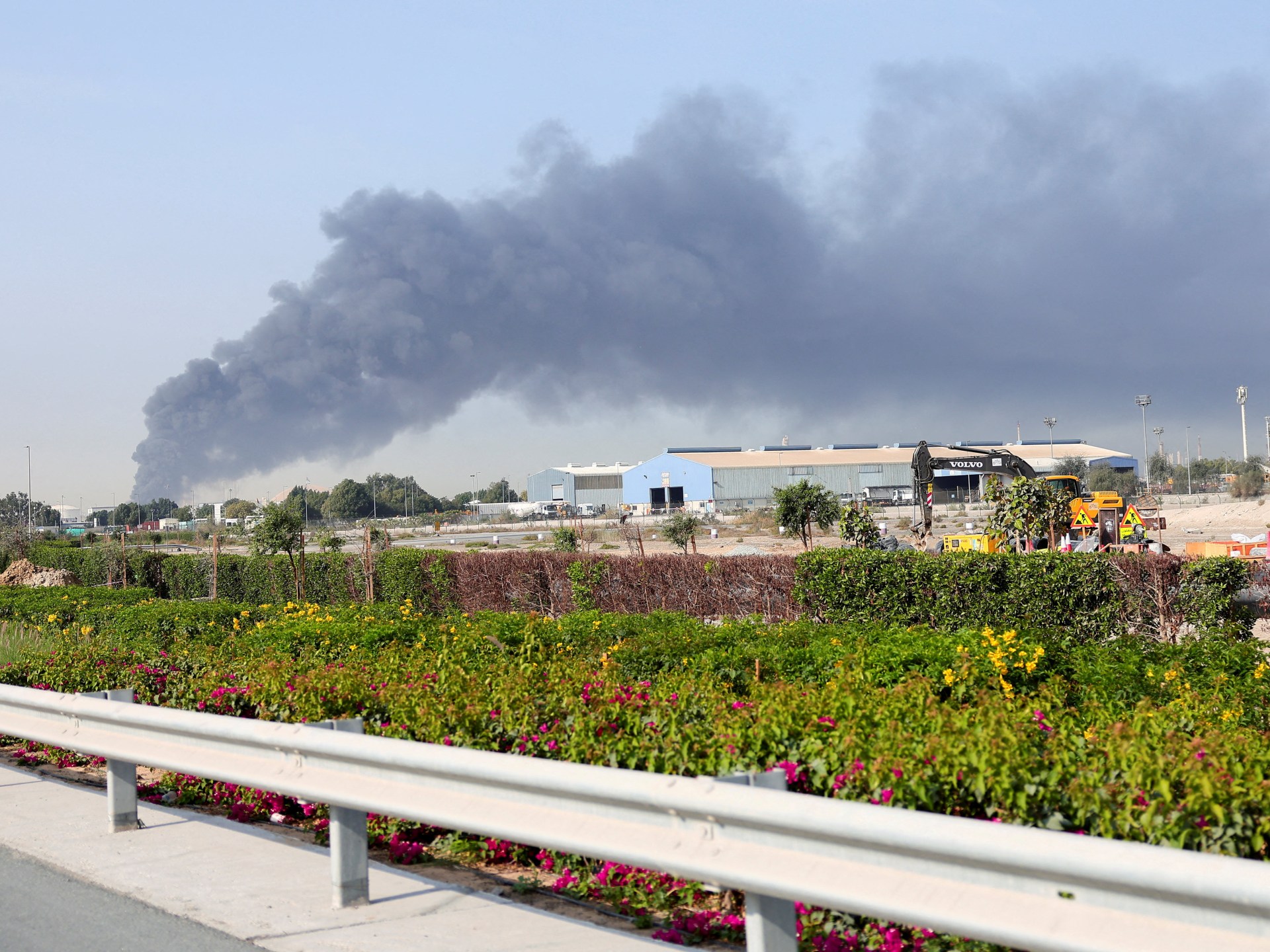
US-Israeli Conflict with Iran Enters Second Day
A military conflict between the United States, Israel, and Iran has begun its second day, resulting in significant damage and casualties. The US-Israeli bombardment of Iranian targets has killed several high-ranking officials, including Supreme Leader Ali Khamenei. In response, Iran has launched attacks on various countries in the region, including Saudi Arabia, Qatar, the United Arab Emirates, Bahrain, Kuwait, and Oman.
Multiple sites across these states have been targeted, including US military bases, airports, ports, and commercial areas. The conflict is expected to have a profound impact on regional stability and economic prosperity in the Gulf.
The Gulf Cooperation Council (GCC) has historically relied on a set of assumptions about security, alliances, and economic futures. However, a prolonged conflict involving the US, Israel, and Iran would strain these assumptions at once. Gulf states are likely to reassess their defense planning and regional strategy.
Recent diplomatic efforts in the region, including the Saudi-Iran thaw brokered by China in 2023, have emphasized the importance of dialogue and de-escalation. However, a prolonged war would make it challenging for Gulf states to maintain this balance.
The conflict has significant economic implications, with potential disruptions to maritime trade and energy prices. The Strait of Hormuz, a critical artery in the global economy, is under threat. Disruptions could trigger sharp energy price increases, higher insurance and shipping costs, and renewed investor anxiety.
Inside the GCC, the war may either bring states closer together or expose existing cracks. Different members have varying threat perceptions and comfort levels with risk. The conflict’s impact on regional dynamics and economic stability will be closely watched in the coming days.
Source: Al Jazeera