US and Israels military operation against Iran enters 100th day
June 7, 2026 • Al Jazeera
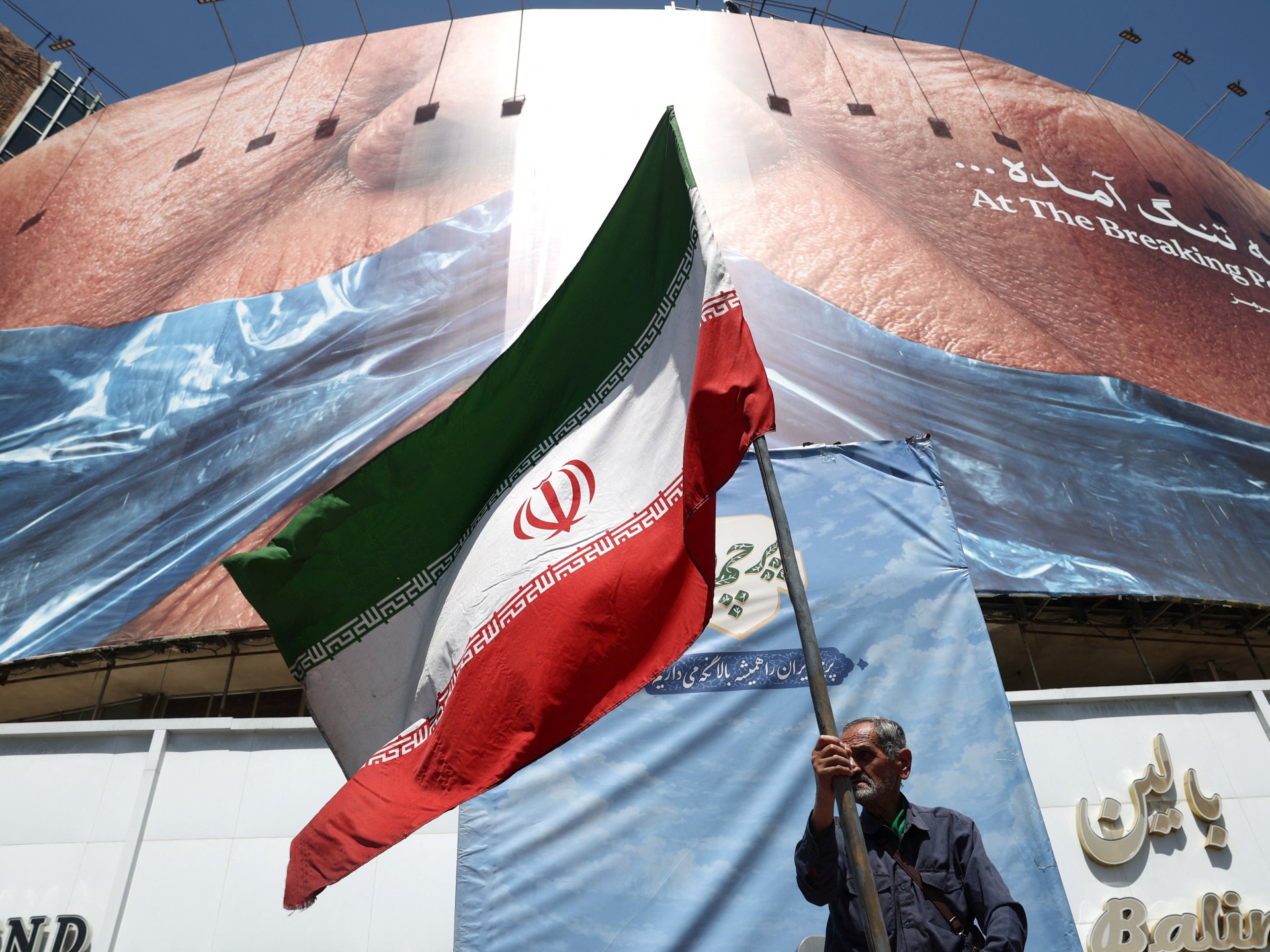
Here is a rewritten version of the article in a neutral newsroom style:
US-Israel War on Iran Enters 100th Day
A ceasefire was agreed upon on April 8, but the Strait of Hormuz remains largely closed. Sporadic fire continues, and talks have repeatedly collapsed.
Since February 28, at least 3,593 people have been confirmed killed in Lebanon, 3,468 in Iran, and 29 in Gulf states. Additionally, 26 Israelis and 13 US soldiers have been killed in Iranian attacks since the start of the conflict.
Israeli forces have displaced over one million Lebanese people, with Prime Minister Nawaf Salam describing the invasion as “a scorched-earth policy and collective punishment”. As of June 1, Israeli forces had reached the outskirts of Nabatieh, a city in southern Lebanon. They captured Beaufort Castle, marking the deepest advancement into Lebanon in more than 25 years.
Israel claimed its objective was to remove key Hezbollah fighters south of the Litani River close to its border. However, the military is operating far past that line, with forced displacement orders as far as the Zahrani River.
In the first two weeks of the war, hundreds of ships were stranded in the Strait of Hormuz, a strategic waterway through which one-fifth of global oil and gas previously flowed. According to ship-tracking data, about 607 ships have crossed through the strait between February 28 and May 31.
The US has imposed its own blockade of Iranian ports since mid-April, further disrupting commercial shipping in the waterway. This has led to longer voyage distances, reduced vessel availability on key routes, and higher freight rates. Energy markets have been shaken by the war, with oil prices almost doubling over the past three months.
The International Energy Agency described the disruption as the largest energy shock on record. Before the war, Brent crude, the global benchmark for oil prices, cost about $70 per barrel. A week into the war, prices crossed $100 for the first time since 2022, eventually peaking at nearly $120 before settling back to about $100.
The conflict has had a significant impact on global energy markets and economies worldwide.
Source: Al Jazeera