US Expands Biomedical Presence in Africa Amid Growing Global Health Concerns
March 13, 2026 • Al Jazeera
US Health Funding Agreements Spark Concern Over Data Sharing and Benefits
The United States has proposed funding agreements with several African countries, including Zimbabwe, Zambia, and Kenya, worth billions of dollars over the next five years. The agreements aim to support HIV/AIDS, tuberculosis, malaria, and epidemic preparedness efforts.
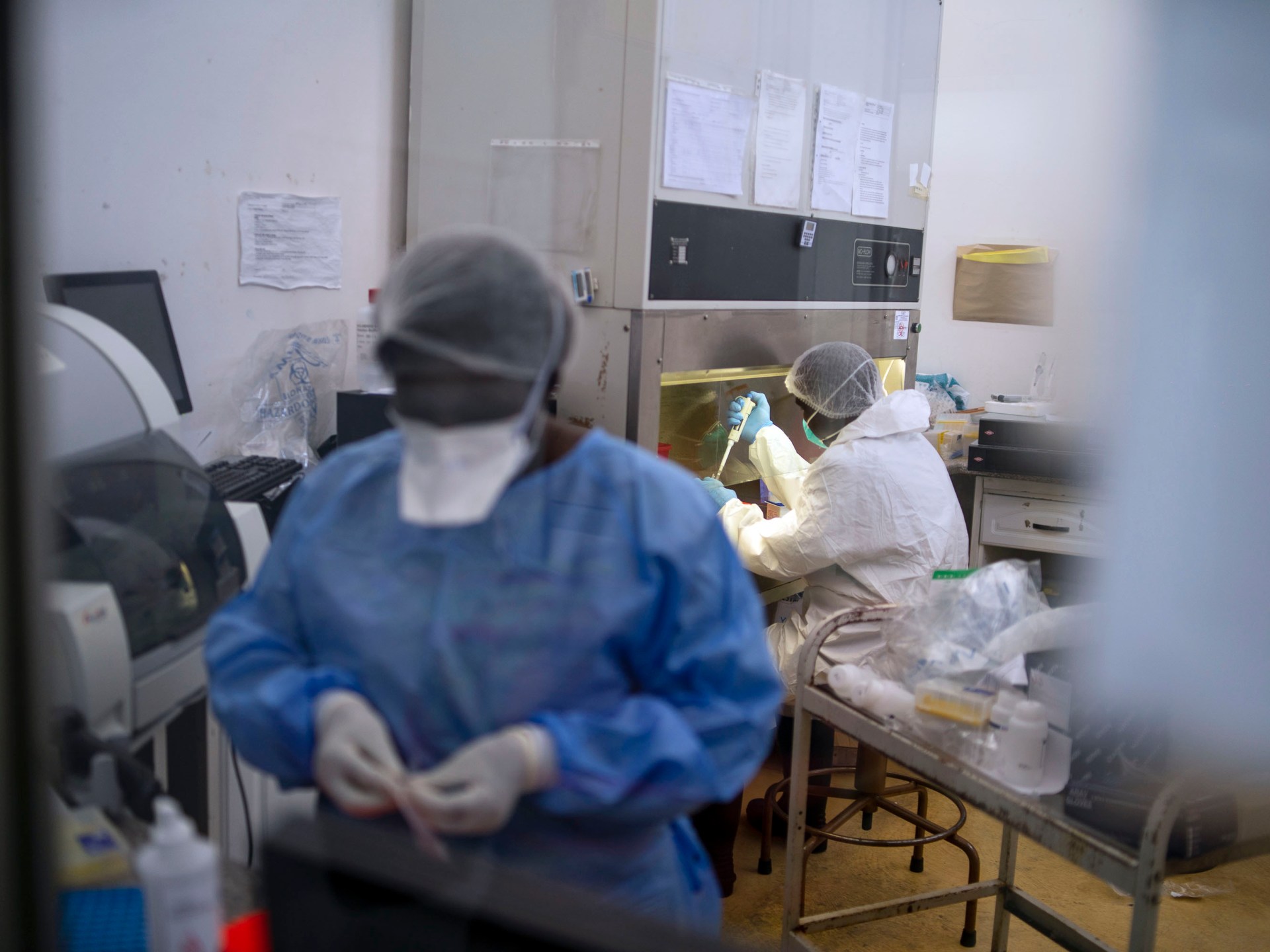
Under the proposals, the US would provide significant funding in exchange for access to sensitive health data and pathogen samples from participating countries. However, critics argue that these terms do not guarantee equitable benefit-sharing, with some countries risking supplying valuable biological information while reaping limited benefits.
Zimbabwe withdrew from a $367 million agreement after objecting to provisions requiring broad American access to its health data. The country’s government described the proposal as an “unequal exchange,” citing concerns about unequal benefit-sharing and potential exploitation.
Similar concerns have been raised in Zambia, where officials and civil society organizations are worried about a proposed US-Zambia health partnership valued at over $1 billion. Critics argue that this agreement would grant the US far-reaching access to national health data and pathogen-sharing arrangements without adequate safeguards.
In Kenya, a similar agreement was suspended by the High Court after a legal challenge raised concerns about exposing sensitive health data without adequate protection under local laws.
The disputes highlight a broader pattern of bilateral global health agreements being negotiated between Washington and African governments. According to tracking by the Kaiser Family Foundation, the US has signed over 20 memoranda of understanding with African governments, with total commitments approaching $20 billion.
At least 17 African countries have already concluded similar agreements, many with fragile health budgets and limited negotiating leverage. The funding is expected to finance programmes against HIV/AIDS, tuberculosis, Ebola, and malaria, while strengthening disease surveillance systems and laboratory capacity.
However, critics argue that these agreements shift bargaining power sharply towards Washington, with the US seeking access to valuable biological information in exchange for limited benefits.
Source: Al Jazeera