US federal deficits and debt projected to increase significantly over decade
February 11, 2026 • Al Jazeera
Congressional Budget Office Releases 10-Year Outlook on US Federal Deficits and Debt
The Congressional Budget Office (CBO) has released a new report outlining its 10-year outlook on the United States’ federal deficits and debt. The report projects worsening long-term federal deficits and rising debt, driven primarily by increased spending on Social Security, Medicare, and debt service payments.
Compared to last year’s analysis, the fiscal outlook has deteriorated modestly. The CBO forecasts that the deficit for fiscal 2026 will be approximately 5.8% of GDP, similar to the deficit in fiscal 2025. However, the US deficit-to-GDP ratio is projected to average 6.1% over the next decade, reaching 6.7% by fiscal 2036.
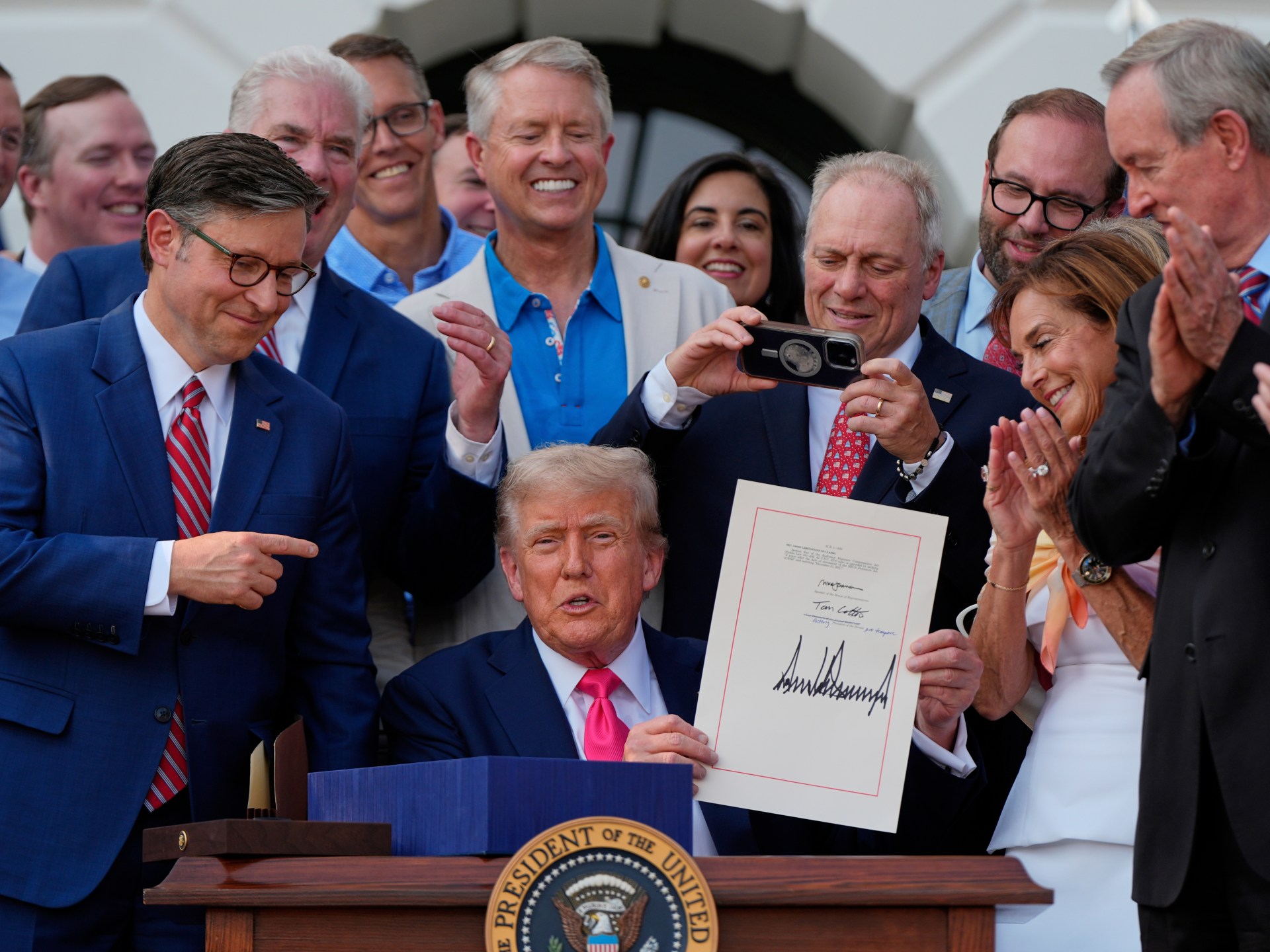
Several major developments have been factored into the report, including the “One Big Beautiful Bill Act,” higher tariffs, and the Trump administration’s crackdown on immigration. As a result, the projected 2026 deficit is approximately $100 billion higher, and total deficits from 2026 to 2035 are estimated to be $1.4 trillion larger.
The CBO also notes that higher tariffs have partially offset some of these increases by raising federal revenue by $3 trillion. However, this increase comes with higher inflation from 2026 to 2029. The report highlights the importance of managing rising debt and debt service, as repaying investors for borrowed money crowds out government spending on basic needs such as roads, infrastructure, and education.
The CBO’s forecasts assume that tax and spending laws and tariff policies remain in place for a decade. The report also notes that inflation is not expected to hit the Federal Reserve’s 2% target rate until 2030.
Lawmakers have recently addressed rising federal debt and deficits primarily through targeted spending caps and debt limit suspensions, as well as deploying “extraordinary measures.” However, these measures have often been accompanied by new, large-scale spending or tax policies that maintain high deficit levels.
Source: Al Jazeera