US Influence in Latin America Raises Concerns Over Regional Stability
February 17, 2026 • Al Jazeera
Here is a rewritten version of the news article in a neutral newsroom style:
Key Events of the 1980s: A Decade of Conflict and Change
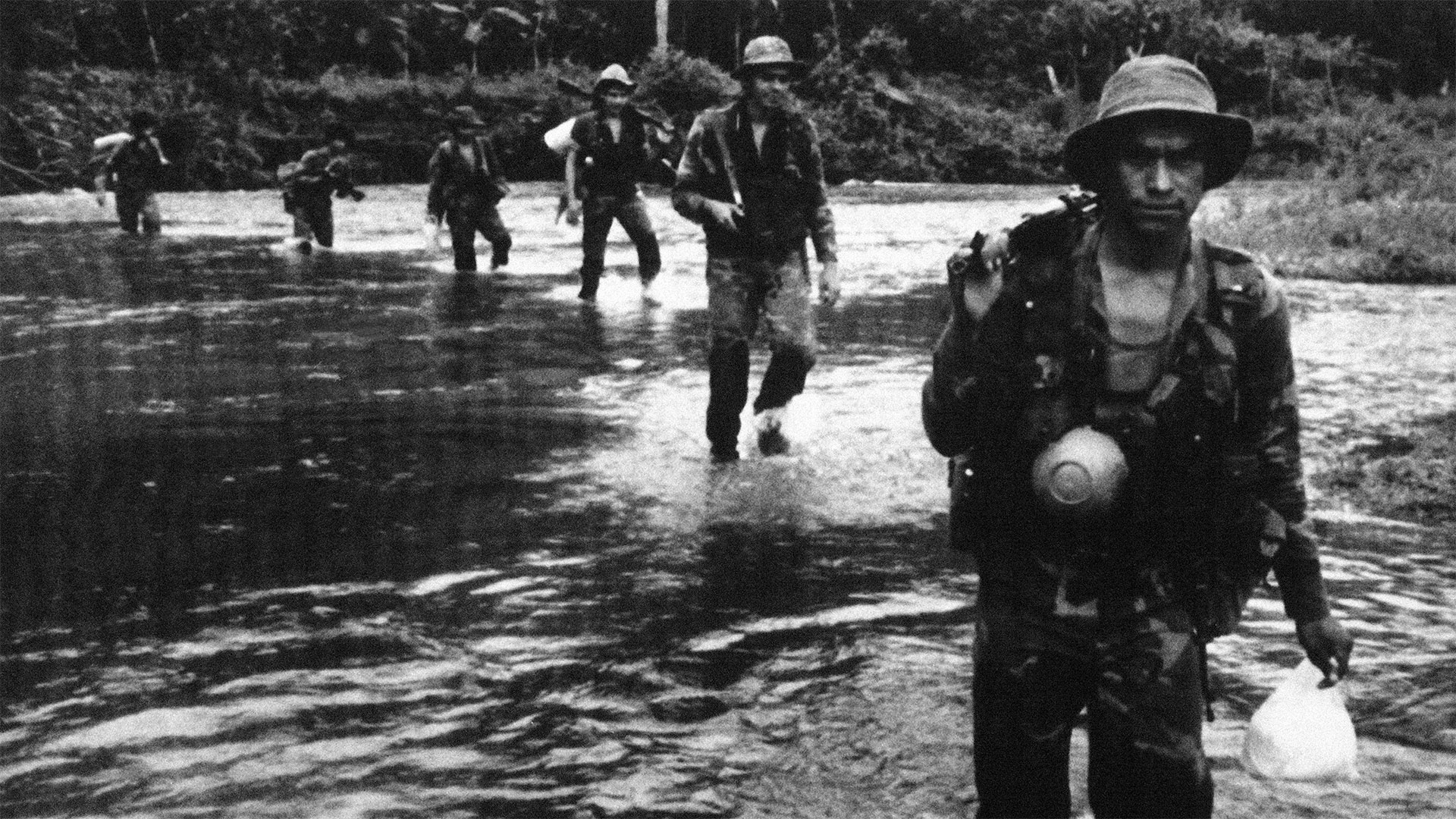
The 1980s saw significant events unfold across Central America, the Caribbean, and South America. In Nicaragua, the Sandinista revolution began, promising to bring about egalitarian transformation through literacy campaigns. However, the civil war that ensued was fueled by covert US support for the Contra rebels, leading to widespread suffering.
In Panama, a shift in leadership occurred after Omar Torrijos’s diplomatic efforts were replaced by Manuel Noriega’s collaboration with the CIA and organized crime groups. The murder of Hugo Spadafora sparked his brother’s campaign to raise public awareness about the situation, ultimately contributing to a US military invasion that led to Noriega’s downfall.
In Chile, opposition forces achieved a decisive victory in elections, ending Augusto Pinochet’s rule and sparking hopes for democracy. However, the country continued to experience US influence.
Venezuela faced economic instability under President Carlos Andres Perez, with debt crises, curfews, and riots paving the way for Hugo Chavez’s rise to power. The 1980s also saw a wave of regional upheaval in response to these events.
These key events highlight the complex and often tumultuous nature of politics in Central America, the Caribbean, and South America during the 1980s.
Source: Al Jazeera