US Influence in Latin America Sparks Concern Over Regional Stability
February 9, 2026 • Al Jazeera
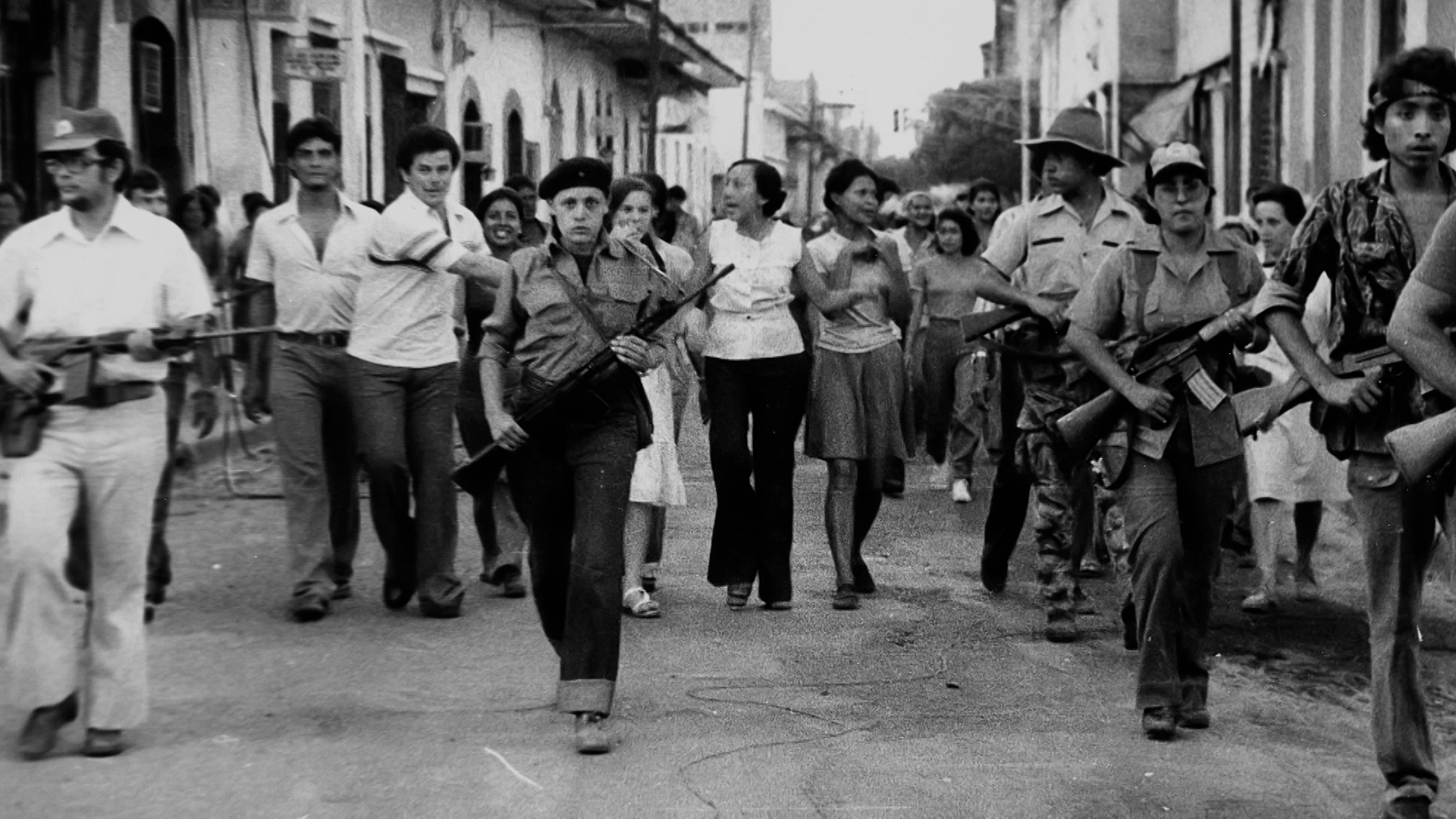
US-Backed Coups Shatter Democracies in Latin America During the Cold War Era
A series of military coups in 1960s Latin America was driven by US concerns over regional politics and economic policies. In Brazil, President Joao Goulart’s government was ousted in 1964 after the US feared agrarian reform would lead to “another Cuba.” This led to the exile of activists like Jean Marc von der Weid.
In Chile, President Salvador Allende’s socialist experiment faced secret economic blockades before General Augusto Pinochet’s military coup in 1973. The subsequent regime was marked by brutal repression. Operation Condor, a coordinated campaign of political repression, began in 1975 and resulted in the assassination of Chilean diplomat Orlando Letelier in Washington, DC, in 1976.
In Panama, Omar Torrijos led a diplomatic effort to regain control of the Panama Canal from US hands after decades of tension. Meanwhile, Nicaragua’s Sandinistas overthrew the Somoza family dictatorship through armed resistance, with support from regional alliances and clandestine aid networks.
The series examines how US interventions have influenced government changes, repression, and internal conflict in countries across Brazil, Chile, Panama, Nicaragua, Venezuela, and Colombia. The events of this period are part of a broader history of inequality and polarization in the region.
Source: Al Jazeera