US-Iran ceasefire fails to revive shipping in Strait of Hormuz
April 10, 2026 • Al Jazeera
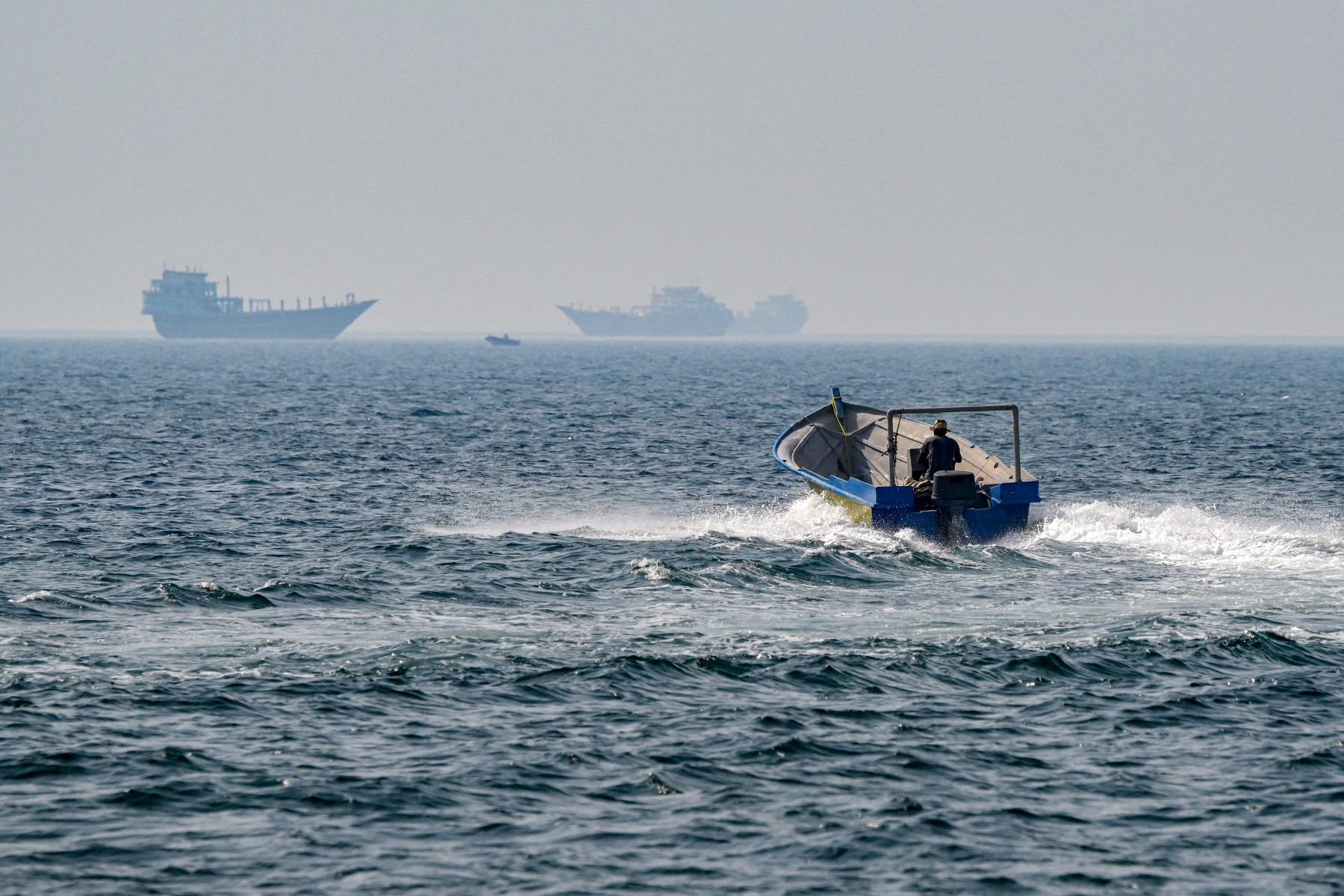
US and Iran Accuse Each Other of Not Honoring Truce Agreement
A two-week ceasefire agreement between the US and Iran has not led to a significant increase in maritime traffic through the Strait of Hormuz, according to ship tracking data. Since the announcement on Tuesday, only a handful of vessels have transited the critical waterway, with five vessels crossing it on Wednesday and seven on Thursday.
The strait, which typically handles about one-fifth of global oil and LNG supplies, remains largely blocked due to the conflict. Over 600 vessels, including 325 tankers, are still stranded in the Gulf, according to Lloyd’s List Intelligence.
US President Donald Trump has accused Iran of failing to live up to its part of the ceasefire agreement, which includes allowing “safe passage” through the waterway for two weeks. Iranian Foreign Minister Abbas Araghchi has countered that the US is not honoring its commitments, warning that it must choose between a ceasefire or continued war.
The situation has led to concerns about the impact on global energy supplies and prices. Oil prices have ticked up as markets digest the reality of the maritime traffic restrictions. Brent crude stood at $96.39 per barrel as of 02:00 GMT on Friday, after falling below $95 a barrel on Wednesday.
Market intelligence firm Kpler has reported that safe transit capacity is expected to remain constrained, with only 10-15 passages per day if the ceasefire holds. The CEO of ADNOC, Sultan Ahmed Al Jaber, has stated that access to the strait is being restricted and controlled, subject to permission and conditions.
Source: Al Jazeera