US-Iran tensions hold seafarers in limbo at Strait of Hormuz
May 9, 2026 • Al Jazeera
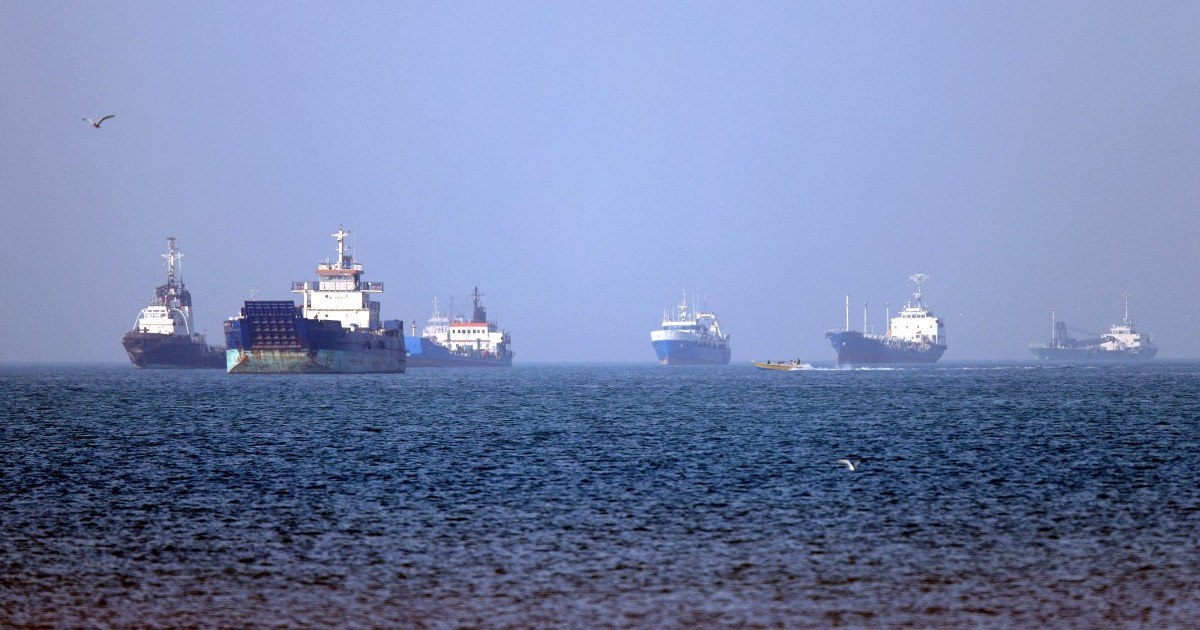
Approximately 20,000 seafarers are currently stranded in the Gulf due to the closure of the Strait of Hormuz. An Indian seafarer, who wishes to remain anonymous, has been stuck on a cargo ship since February 28, when US President Donald Trump launched “Operation Epic Fury”. The seafarer, who arrived at the Shatt al-Arab waterway days before the operation began, has witnessed the Iran war firsthand.
The seafarer reported that some of his fellow Indian seafarers have been able to return home by crossing Iran’s 44km land border with Armenia, while others remain stranded due to unpaid salaries or difficulties in obtaining dollars to reach Armenia. The Iranian agents handling their payrolls are also cited as a reason for the delays.
The estimated 20,000 seafarers are among those affected by Iran’s closure of the Strait of Hormuz, which has resulted in a significant disruption to global shipping routes. Prior to the war, the strait was one of the world’s most critical shipping lanes, carrying approximately one-fifth of global oil and gas supplies.
Despite a recent announcement of a tenuous ceasefire between the US and Iran on April 7, maritime traffic remains at a standstill due to recurrent attacks in and around the waterway. The US Central Command reported that it had intercepted and eliminated inbound Iranian threats after three US Navy guided-missile destroyers came under attack from missiles, drones, and small boats.
The United Nations International Maritime Organization estimates that at least 10 seafarers have been killed since the start of the war. Iran’s merchant marine union has reported that at least 44 Iranian seafarers, including dockworkers and fishermen, have been killed as of April 1.
US officials have held talks with Tehran, with President Trump stating that a peace deal is “very possible”. However, the exact nature of these discussions remains unclear. Labour groups report that each day brings new uncertainty for the civilian crews manning the Gulf’s massive fleet of oil, gas, and container ships.
Source: Al Jazeera