US-Israel alliance unlikely to alter regional dynamics significantly
June 4, 2026 • Al Jazeera
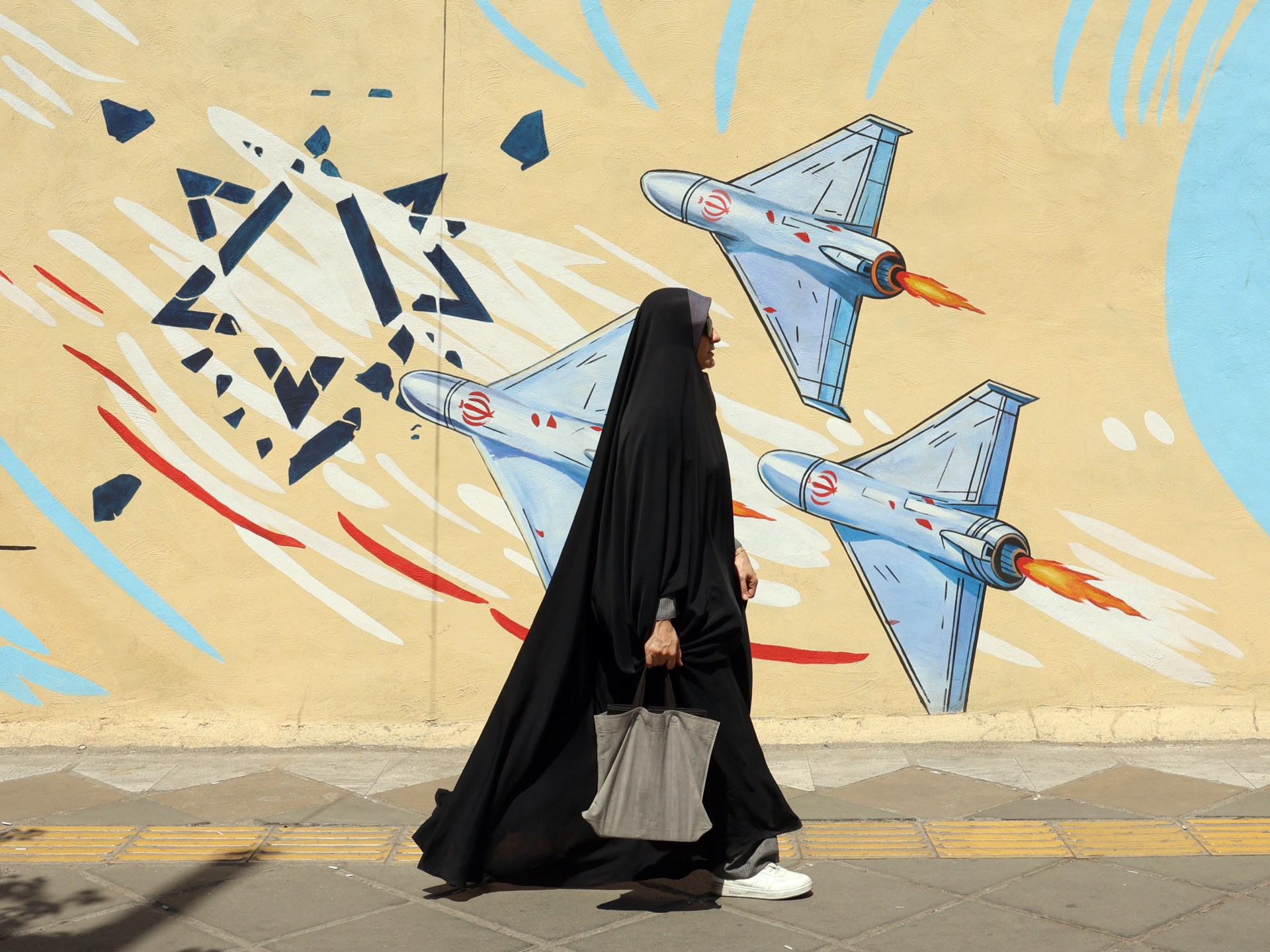
US-Israel War on Iran Redraws Middle East Map
The ongoing conflict between the US and Israel, and Iran, has resulted in significant changes to the region’s geography and power dynamics. The war is expected to have a lasting impact on the Middle East, with some experts predicting a new regional order.
Historically, major wars have left deep fractures and transformations in maps, systems, and demographics. However, it is essential to note that no amount of military force can erase or alter fundamental realities such as geography. The Strait of Hormuz remains a critical waterway for nearly one-fifth of the world’s oil, while the Suez Canal continues to be a vital artery of international trade.
The Fertile Crescent still links Asia to Europe, and these geographical features will endure regardless of who governs them. War may change who controls these locations, but it cannot alter their significance geographically.
The conflict has also highlighted the enduring nature of the Palestinian issue, which predates the Islamic Republic of Iran’s existence. The suffering of nearly eight million Palestinians living under occupation is unlikely to be altered by the outcome of the war.
Analysts have noted that the Abraham Accords of 2020 were built on a central assumption: that Iran represented a common existential threat uniting Israel and Gulf Arab states in one strategic camp. However, the outbreak of war with Iran has exposed the fragility and limitations of this equation.
As the conflict draws to a close, it is essential to recognize what will not change in the Middle East. Geography, Palestine, and political identity are enduring realities that wars cannot erase or alter.
Source: Al Jazeera