US-Israel strikes on Iran raise concerns over Strait of Hormuz security
March 1, 2026 • Al Jazeera
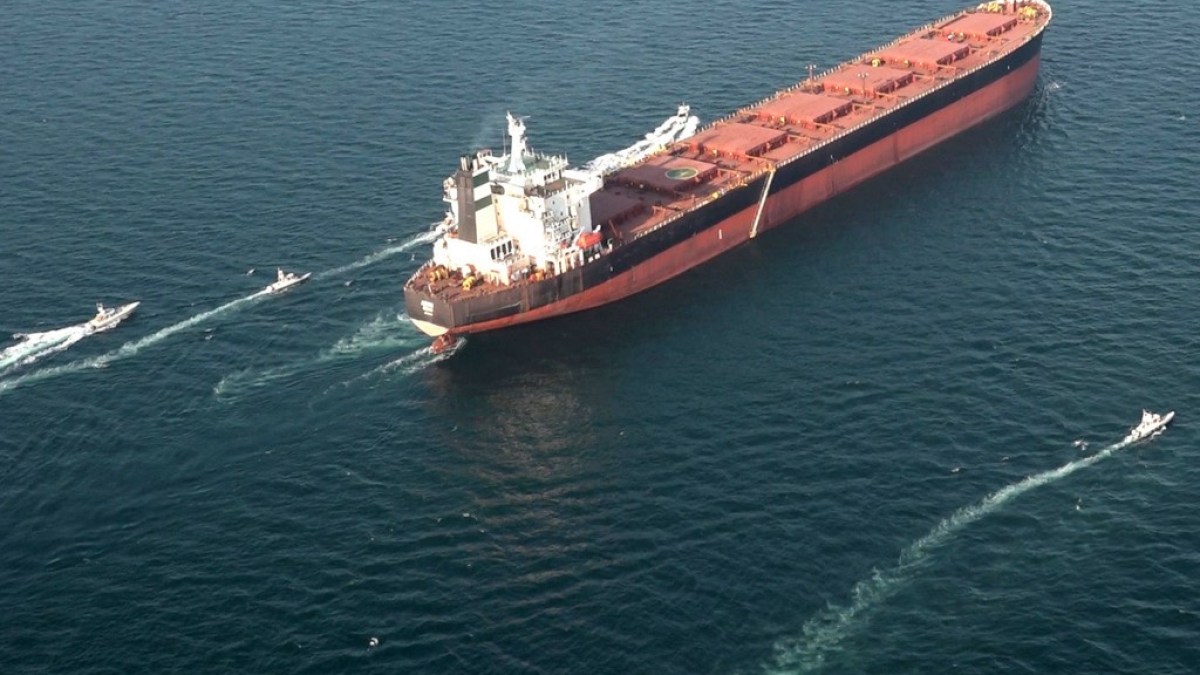
Here is the rewritten news article in a neutral style:
The Strait of Hormuz, located between Oman and Iran, is a critical maritime route that handles approximately 20-30% of global oil and gas supplies. The strait connects the Arabian/Persian Gulf with the Gulf of Oman and the Arabian Sea, spanning 33km (21 miles) in width at its narrowest point.
According to recent reports, Iranian officials have hinted at shutting down the Strait of Hormuz, citing concerns over vessel traffic. However, an official from the European Union stated that Iran has not officially closed the strait. Instead, several tanker owners have suspended oil and gas shipments through the strait due to ongoing conflict in the region.
Several countries, including Greece, have advised their vessels to avoid transiting through the waterway. Analysts warn of a potential spike in global oil prices if the Strait of Hormuz is disrupted. The strait’s closure could impact oil supplies to international markets and affect energy trade worldwide.
The Strait of Hormuz plays a vital role in the transportation of crude oil, with approximately 20 million barrels passing through each day in 2024, valued at around $500 billion annually. The strait also handles liquefied natural gas (LNG) shipments, with Qatar accounting for roughly a fifth of global LNG volumes.
The strait’s importance lies in its narrow width, which makes it vulnerable to attack. Major oil and gas exporters rely on the strait to move supplies to international markets, while importing nations depend on its uninterrupted operation. Countries such as China, India, Japan, and South Korea are among those that heavily rely on the Strait of Hormuz for their energy needs.
The potential closure of the Strait of Hormuz has sparked concerns among energy traders and analysts. Iranian state media reported that the country’s Supreme National Security Council must make the final decision to close the strait, which would need to be ratified by the government.
Source: Al Jazeera