US President Trump proposes 50% tariffs on countries supplying Iran with arms
April 8, 2026 • Al Jazeera
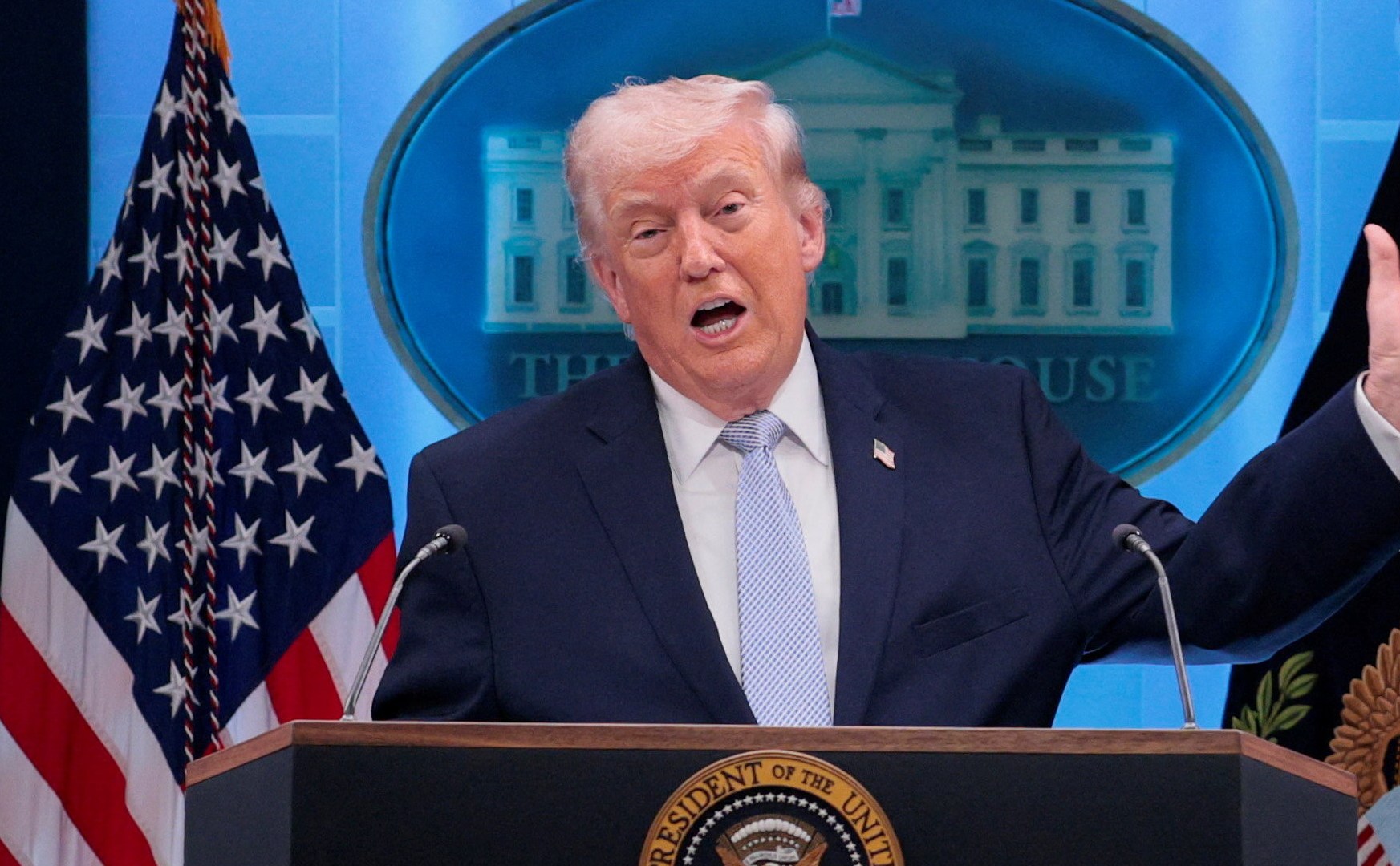
US President Donald Trump Announces Tariffs on Imports from Countries Supplying Military Weapons to Iran
In a social media post on Wednesday, President Trump announced that imports from countries supplying military weapons to Iran will face immediate 50% tariffs with no exemptions. The announcement came hours after agreeing to a two-week ceasefire with Tehran.
The tariff announcement did not specify which legal authority Trump would invoke to impose the tariffs. In February, the Supreme Court struck down Trump’s use of the International Emergency Economic Powers Act (IEEPA) to impose broad global tariffs. A lower court had previously ordered refunds of some $166 billion collected over a year.
Trump’s post stated that “A Country supplying Military Weapons to Iran will be immediately tariffed, on any and all goods sold to the United States of America, 50%, effective immediately. There will be no exclusions or exemptions!” However, experts have expressed skepticism about the feasibility of implementing such tariffs without proper authorization.
Rachel Ziemba, an adjunct senior fellow at the Center for a New American Security, noted that “there’s no immediate policy lever and authorisation available” for the US to impose such tariffs. She added that Trump would need to either obtain approval from Congress or adapt another trade tool, but there is currently no national security-oriented trade tool in place.
China and Russia have been accused of helping Iran build military capacity, with China reportedly considering a purchase of supersonic antiship cruise missiles. However, Beijing has denied supplying any weapons recently. Trump’s announcement appears to be an empty threat, according to some analysts, who believe it may be intended to demonstrate his willingness to use tariffs as a tool in future negotiations.
Trump has active “Section 301” unfair trade practices tariffs on Chinese goods and may be able to add duties to pending cases related to excess industrial capacity. However, these would require a public notice period before they could take effect. Trump also may be able to invoke Section 232 of the Trade Expansion Act of 1962, which allows sector-specific tariffs to protect strategic domestic industries on national security grounds, but this would require a new investigation and public comments.
Source: Al Jazeera