US rolls back Russia oil sanctions amid Ukraine and EU opposition
March 13, 2026 • Al Jazeera
US Eases Sanctions on Russia Amid Soaring Energy Prices Linked to Iran War
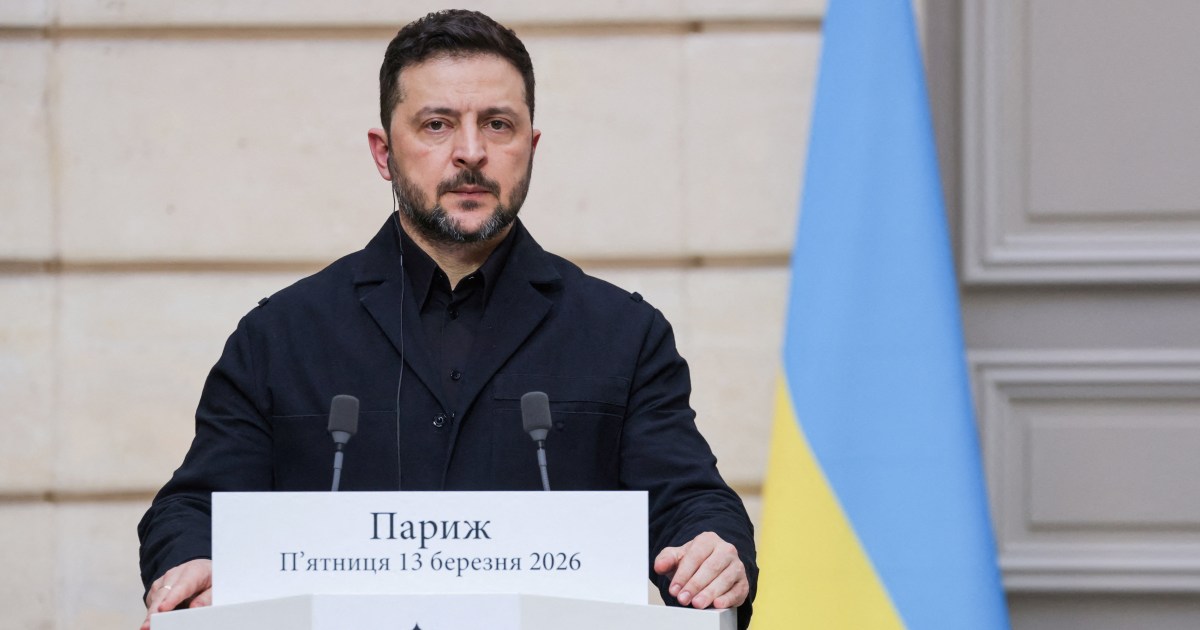
The US has issued a 30-day waiver allowing countries to buy sanctioned Russian oil and petroleum products currently stranded at sea. The move comes as global energy markets have been affected by the ongoing conflict in the Middle East, particularly the closure of the Strait of Hormuz. Ukraine’s President Volodymyr Zelenskyy expressed concerns that the easing of sanctions could provide Russia with significant financial resources to continue its war efforts.
Zelenskyy stated during a news conference in Paris alongside French President Emmanuel Macron that the move would “strengthen Russia’s position” and “does not help peace.” He noted that Russia is using energy sales revenue to purchase weapons, which are then used against Ukraine. The Ukrainian president also emphasized that the easing of sanctions could provide Russia with approximately $10 billion for its war efforts.
European leaders have criticized the US decision, with European Council President Antonio Costa stating that it “impacts European security” and increases Russian resources to wage the war in Ukraine. German Chancellor Friedrich Merz also expressed concerns, saying that easing sanctions is “wrong” and could allow Russia to exploit the situation to weaken Ukraine.
France’s Macron warned Moscow that Europe would maintain pressure on Russia despite the US waiver, stating that it is a “mistaken” assumption that the war in Iran will offer respite. The International Energy Agency has announced plans to release 400 million barrels of oil from emergency reserves to alleviate market disruptions. However, the agency emphasized that the resumption of transit through the Strait of Hormuz remains crucial for restoring stable energy flows.
Russia’s presidential envoy Kirill Dmitriev stated that the US waiver would affect approximately 100 million barrels of Russian crude, while Kremlin spokesman Dmitry Peskov attributed the move to stabilizing world energy markets.
Source: Al Jazeera